Galerie Fleur & Wouter was founded in 2019 by Fleur Feringa and Wouter van Herwaarden in Amsterdam's De Pijp neighbourhood. The gallery sees its artists, international network and supporters as a family. Its mission is to foster the long-term development of its artists' careers while contributing to a broader appreciation of contemporary art.
The gallery focuses on representing young artists from the Dutch and Belgian art scene, building long-term relationships that support the development of their practices. In addition, it represents the renowned mid-career artist Erik Mattijssen. The interests and artistic development of this group of artists are central to the gallery's programme and decision-making. The artists support, inspire and challenge one another. Alongside its represented artists, the gallery organises exhibitions with guest artists and provides a platform for artists who have been overlooked by mainstream art history, including outsider artists.
Although commercial in nature, the gallery reflects its founders' strong connections to project spaces and the museum world. This is evident in its programme, which is characterised by museum-like exhibition design and scenography. Artists are encouraged to think in terms of total installations, while group exhibitions are conceptually layered and carefully curated and designed. A public programme of artist talks, performances and film screenings provides further context and insight. Combined with a strong online presence, this approach enables the gallery to engage a young and diverse audience.
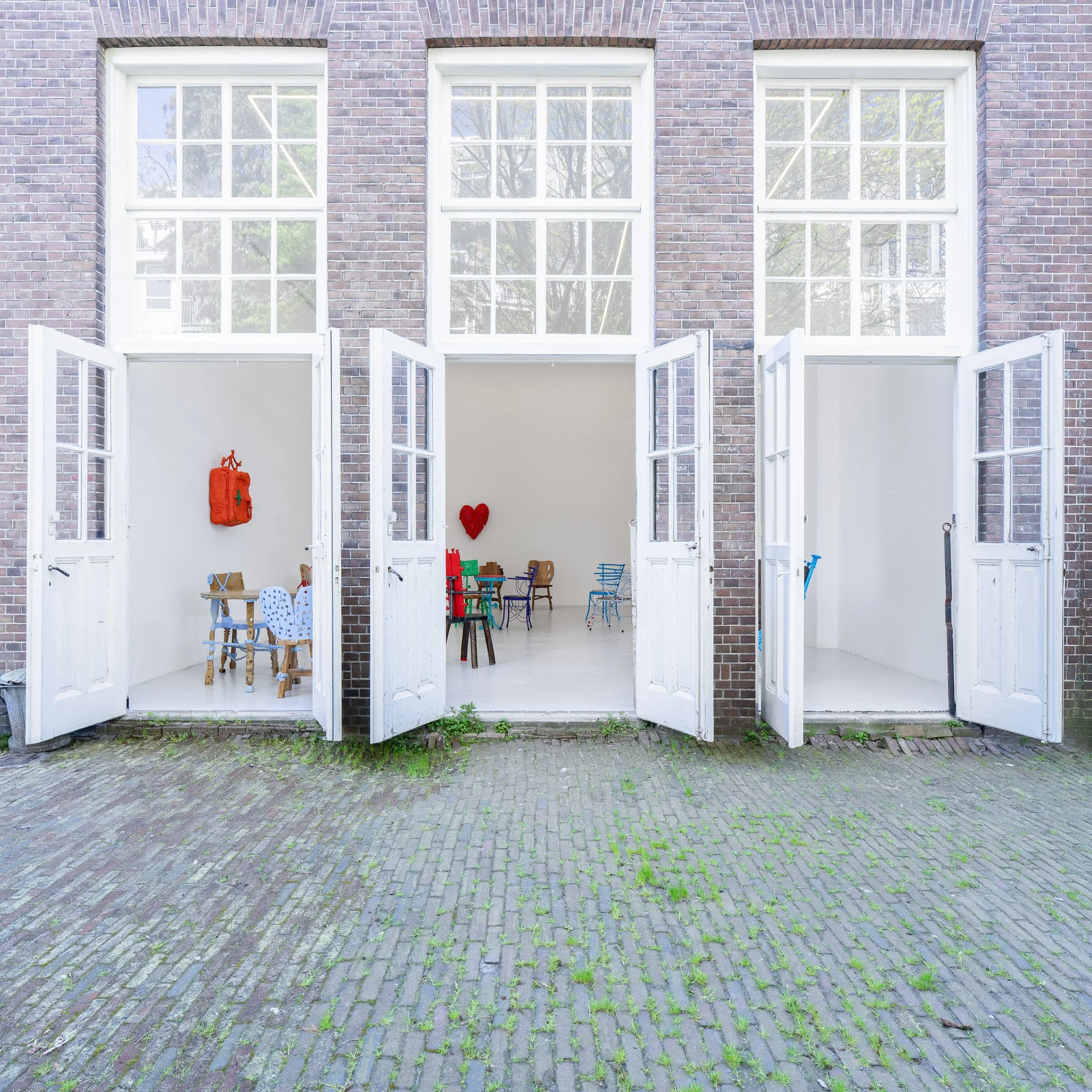
Since its foundation, collaboration has been a core part of the gallery's practice. It previously shared an exhibition space with Working Title, where exhibitions were organised alternately. Today, the gallery is located in a building that houses several galleries, artists' studios and other creative organisations, forming a close-knit community. It also collaborates with and advises Amsterdam's art academies. Internationally, the gallery works with partner galleries on artist representation and participation in international art fairs.
Despite its relatively short history, Galerie Fleur & Wouter has established itself as a recognised name within the Dutch art world. Works by its artists have entered important Dutch and international museum, corporate and private collections. The gallery's artists have presented solo exhibitions at major museums, including the Stedelijk Museum Amsterdam, The Noordbrabants Museum and Museum MORE, and have been nominated for prestigious awards such as the Prix de Rome, NN Art Award, Loewe Foundation Craft Prize and the Scheffer Prize. In 2026, Galerie Fleur & Wouter was nominated for the Ernst Hilger Young and Innovative Gallery Prize. The gallery regularly participates in leading international art fairs, including Artissima, Art Antwerp by Art Brussels and miart.
Feel free to contact us for any questions.
e-mail: info@galeriefleurenwouter.com
Follow us on Instagram.
Van Ostadestraat 43B, Amsterdam
Thursday - Saturday 12.00 - 18.00 hrs
& by appointment
The gallery does not consider any unsolicited artist submissions or proposals.
Gallery Fair Practice Code
Galerie Fleur & Wouter conforms to the Gallery Fair Practice Code. The Mondriaan Fund developed the code to strengthen the position of the artist in relation to the gallery.
The code:
1. The gallery in question records in writing the relationship between the gallery and the artist, including agreements regarding the duration of the agreement, prices and any applicable discounts. Other matters that may be recorded in this document include: monitoring and evaluation of the agreements, both parties’ targets (e.g. regarding international visibility), the relationship with a second gallery, agreements regarding the settlement of any discounts, regarding commissions from third parties, or the settlement of other expenses such as for transport, photography, insurance or the construction of an exhibition. Model contracts are available on the Dutch Gallery Association (NGA) website.
2. The artist remains the owner of their work until the full amount is paid to the gallery, with the exception of secondary trading. This also applies in the case of gallery bankruptcy or attachment.
3. The gallery shall transfer the full artist’s share of the sales price agreed with the customer within 60 days following the sale of the artist’s work, and provide the artist with the buyer’s name and contact details, and a copy of the invoice.
4. Unsold artworks in the charge of the gallery must always be returned to the artist within a month, if requested by the artist.
5. The relationship between galleries may involve competition and rivalry, but in the case of different galleries representing the same artist, the galleries should in all respects remain loyal to the interests of the artist in question. If a gallery exclusively represents an artist, thereby acting as their ‘mother gallery’, and another gallery would like to organise an exhibition with this artist, the involved parties should make written agreements regarding the conditions under which the exhibition can be held (see appendix for a Dutch Gallery Association (NGA) model contract).
6. The gallery is expected to be professional and competent, and to maintain this professionalism and competence.
7. The gallery vouches for the authenticity of the work that they are selling.* In the case that a work is adjudged to be fake by a recognised independent party, the customer may return the work to the gallery owner and have the amount paid for the work refunded.
8. A gallery states the following on their website: their objectives, programme, working method and the artists that they represent.
9. A gallery is expected to act in accordance with the Fair Practice Code (fairpracticecode.nl), which includes an assurance against inappropriate behaviour at the gallery and elsewhere.
*if desired, certificates of authenticity can be requested from the Dutch Gallery Association (NGA)