22 May – 22 June 2025
Hommages
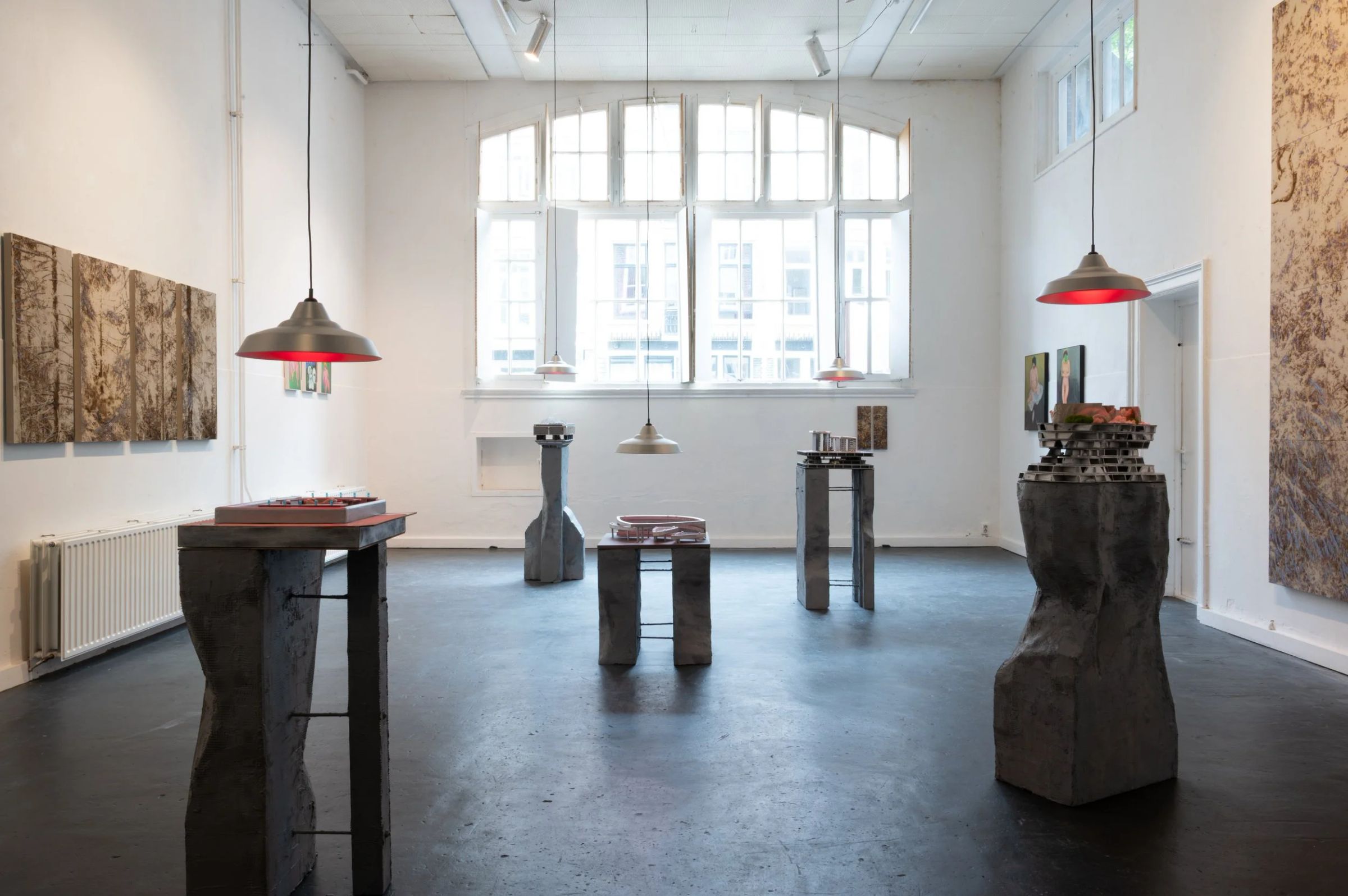
For Amsterdam Art Week 2025, Galerie Fleur & Wouter presents work by artist Natalia Jordanova. Jordanova’s artistic practice is a quest for possible worlds. Through the deployment of various media and strategies, she explores the intersections and sculptural possibilities in the exchange of the digital and physical. The translated materiality redefines the distinction between the flat and the 3-dimensional. Her work engages with the shift of these realms, weaving narratives of past accumulations and future speculations.
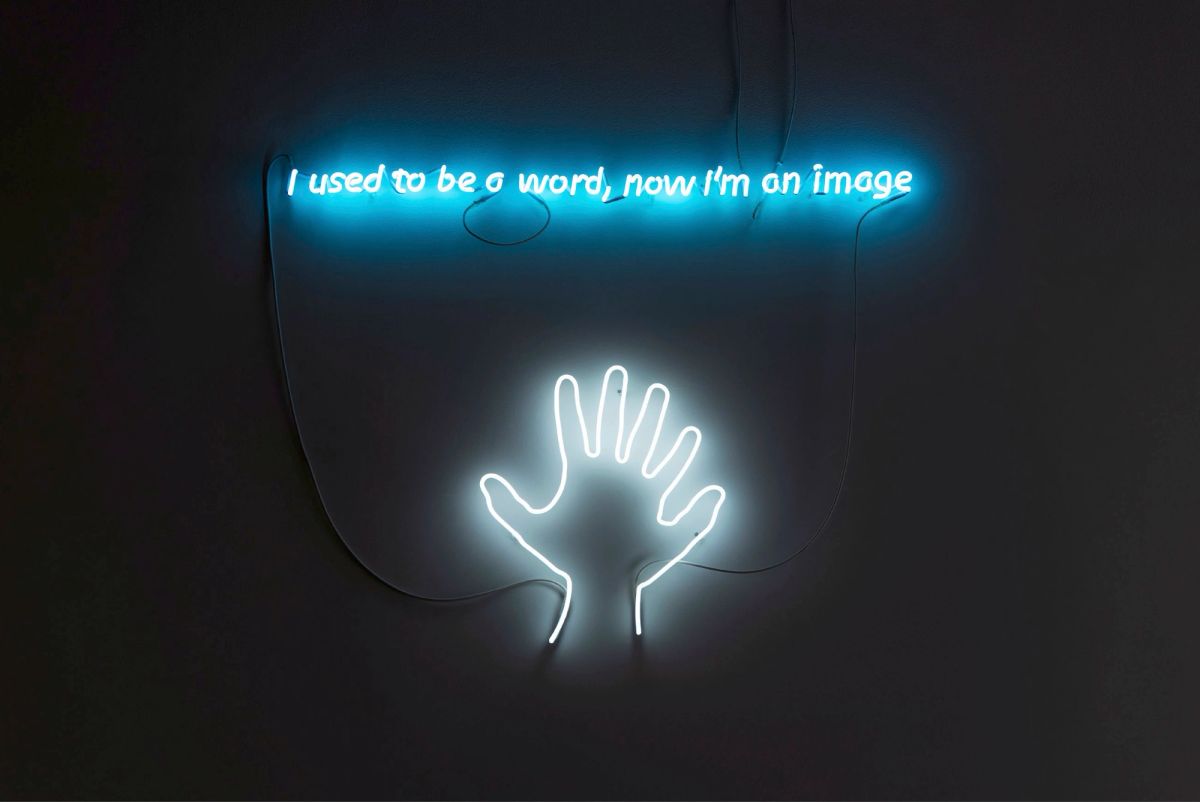
Her work from the past few years integrates generative artificial intelligence. Her interests lie in AI’s conceptual potential to contribute to historical continuity, amplify silenced feminist histories, question the role of AI in evolution, and critique its role in the technological evolution of the creative process.
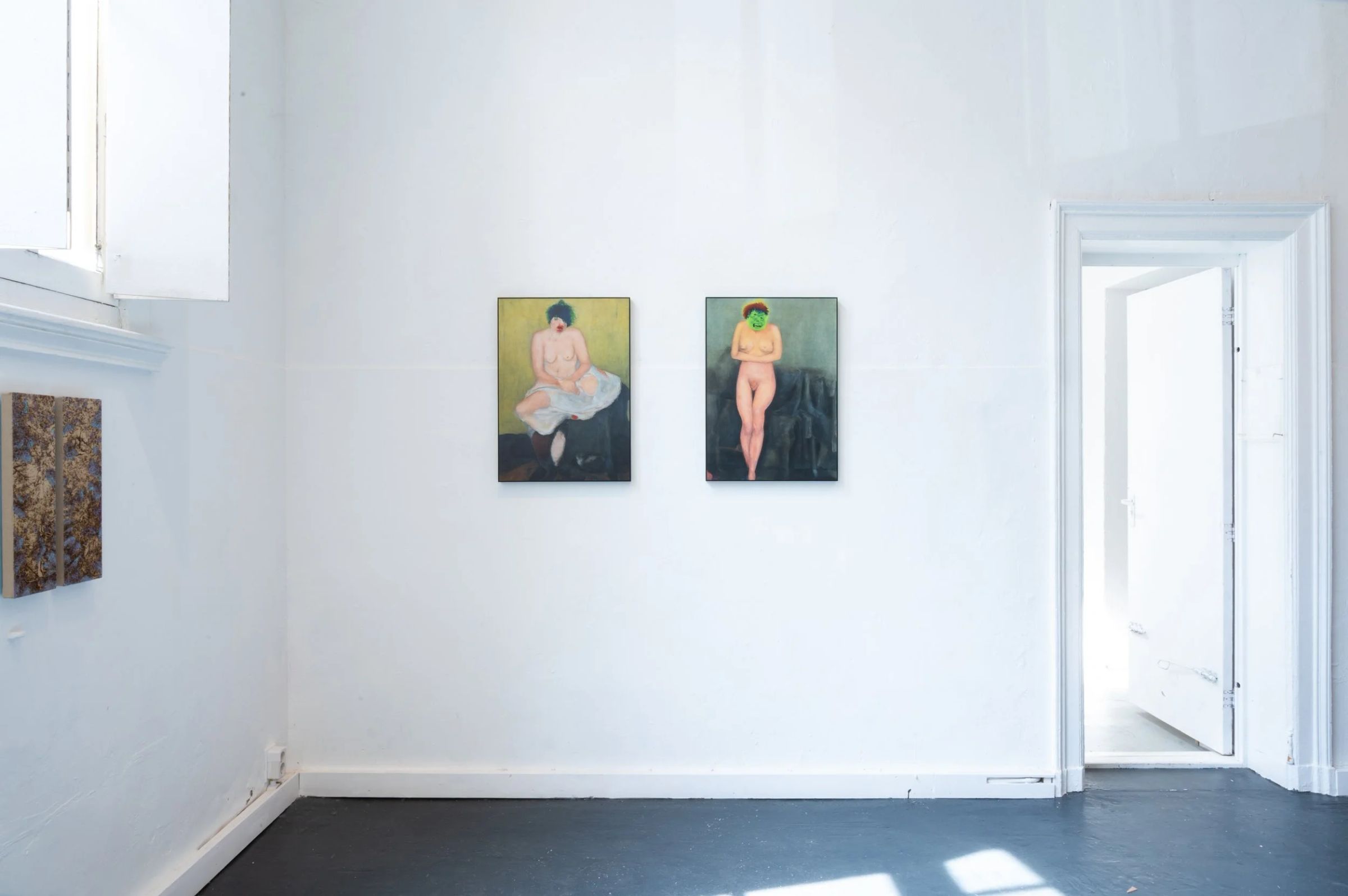
The works in the exhibition are images and gestures—both human and machine-made—exploring the tensions between homage, reinterpretation, and authorship. Through the use of AI, Natalia Jordanova challenges the notion of homage itself, navigating the blurred lines between respect, imitation, and satire and probing AI’s ability to truly honour the original. She examines several Dutch digital art collections as her source, questioning the representation of marginalized groups within historical narratives and public archives and the possibility of closing the data gap.
The concept of homage in visual art has deep historical roots, evolving from classical traditions to contemporary practices. Hommage in art refers to the act of paying tribute to another artist, movement, or style, often through direct reference, reinterpretation, or adaptation. The artist’s realm is speculative fiction in which the collaboration is intergenerational and intercontinental, transcending class, societal status, time, and geography and embracing aspects of inclusivity.
For her exhibition at Galerie Fleur & Wouter, Natalia creates speculative collaborations with the works of female artists spanning from the 15th to the 21st centuries. In doing so, she critically explores AI’s role in reinterpreting historical works, questioning how technology can honour and disrupt the notion of legacy.
Works

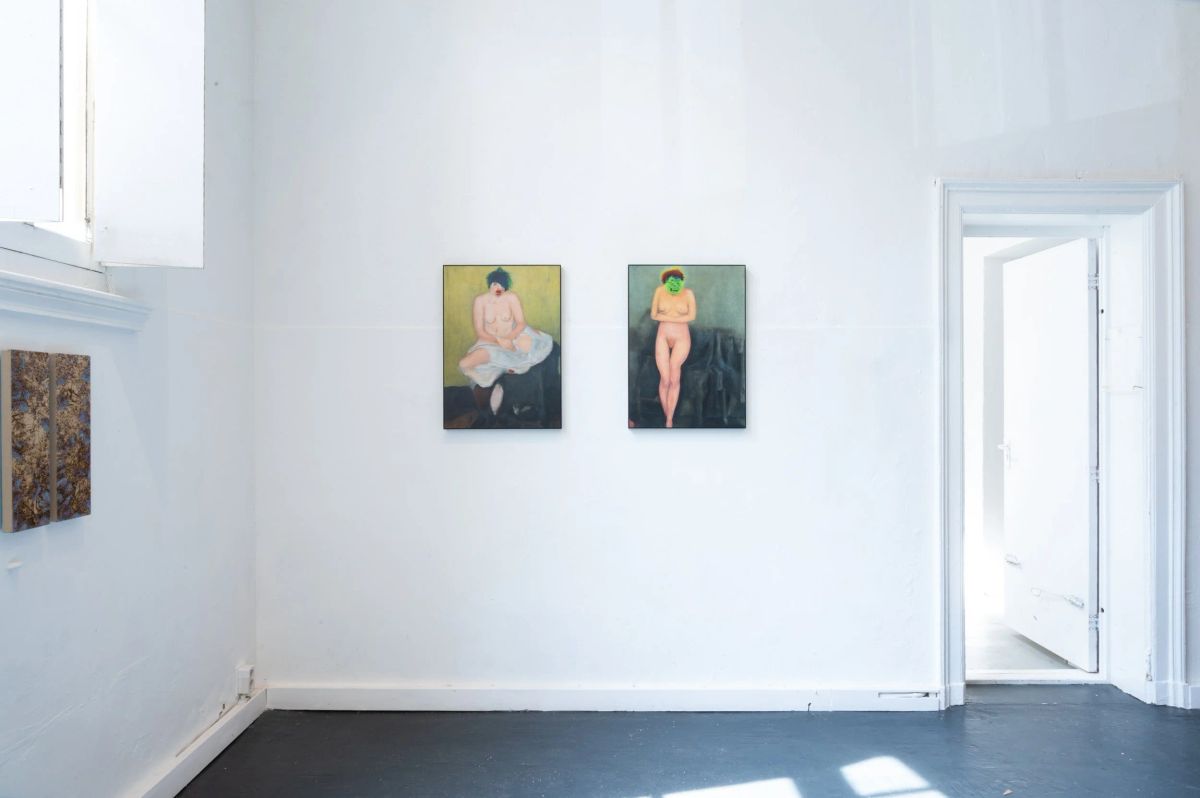
direct print on aluminium dibond, black oak wooden frame

direct print on aluminium dibond, black oak wooden frame

direct print on aluminium dibond, black oak wooden frame

direct print on aluminium dibond, black oak wooden frame

direct print on aluminium dibond, black oak wooden frame

direct print on aluminium dibond, maple white wooden frame

direct print on aluminium dibond, maple white wooden frame

direct print on aluminium dibond, maple white wooden frame

archive photo print under 6 mm acrylic glass on dibond

archive photo print under 6 mm acrylic glass on dibond

archive photo print under 6 mm acrylic glass on dibond

archive photo print under 6 mm acrylic glass on dibond

archive photo print under 6 mm acrylic glass on dibond
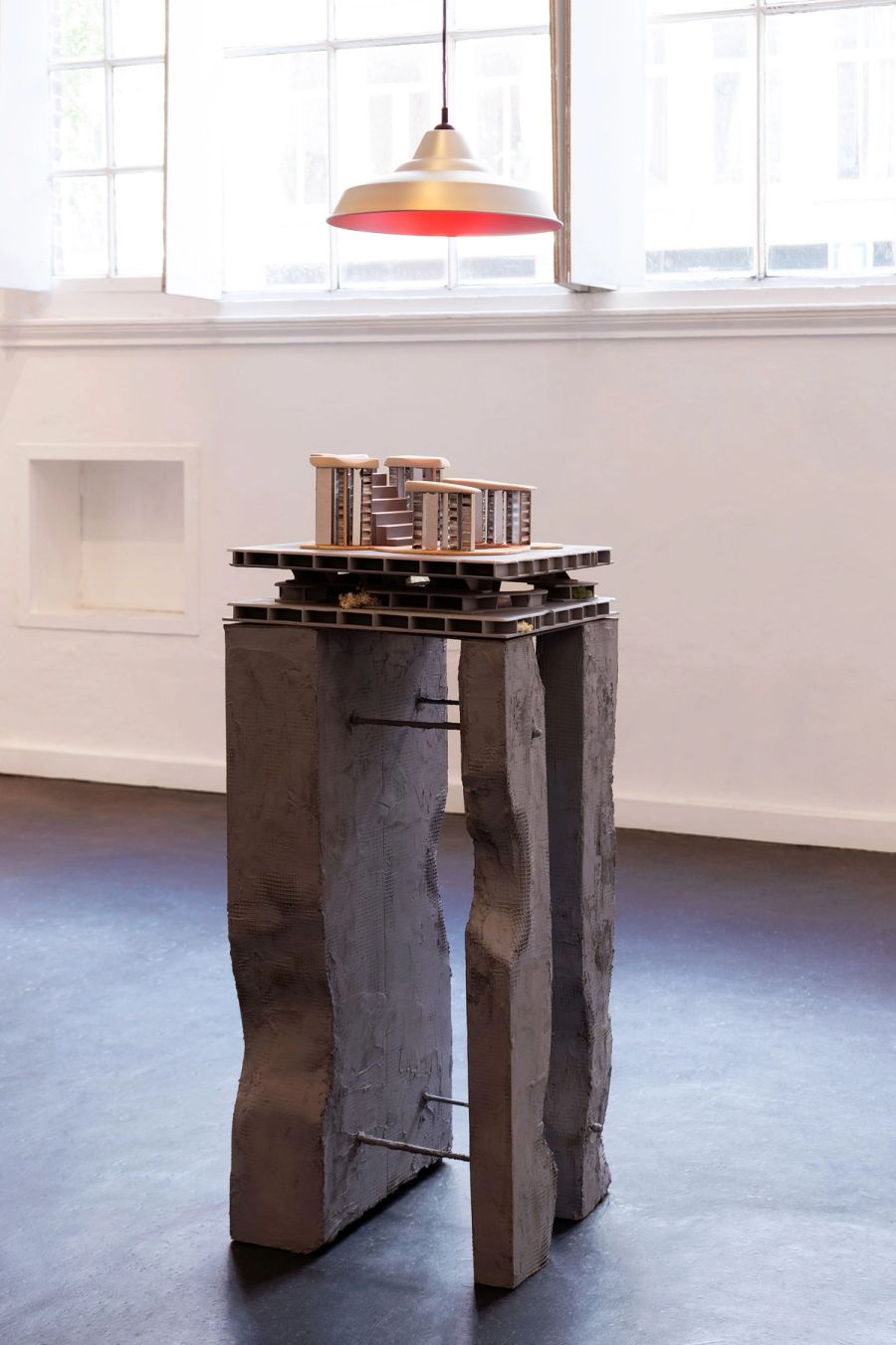
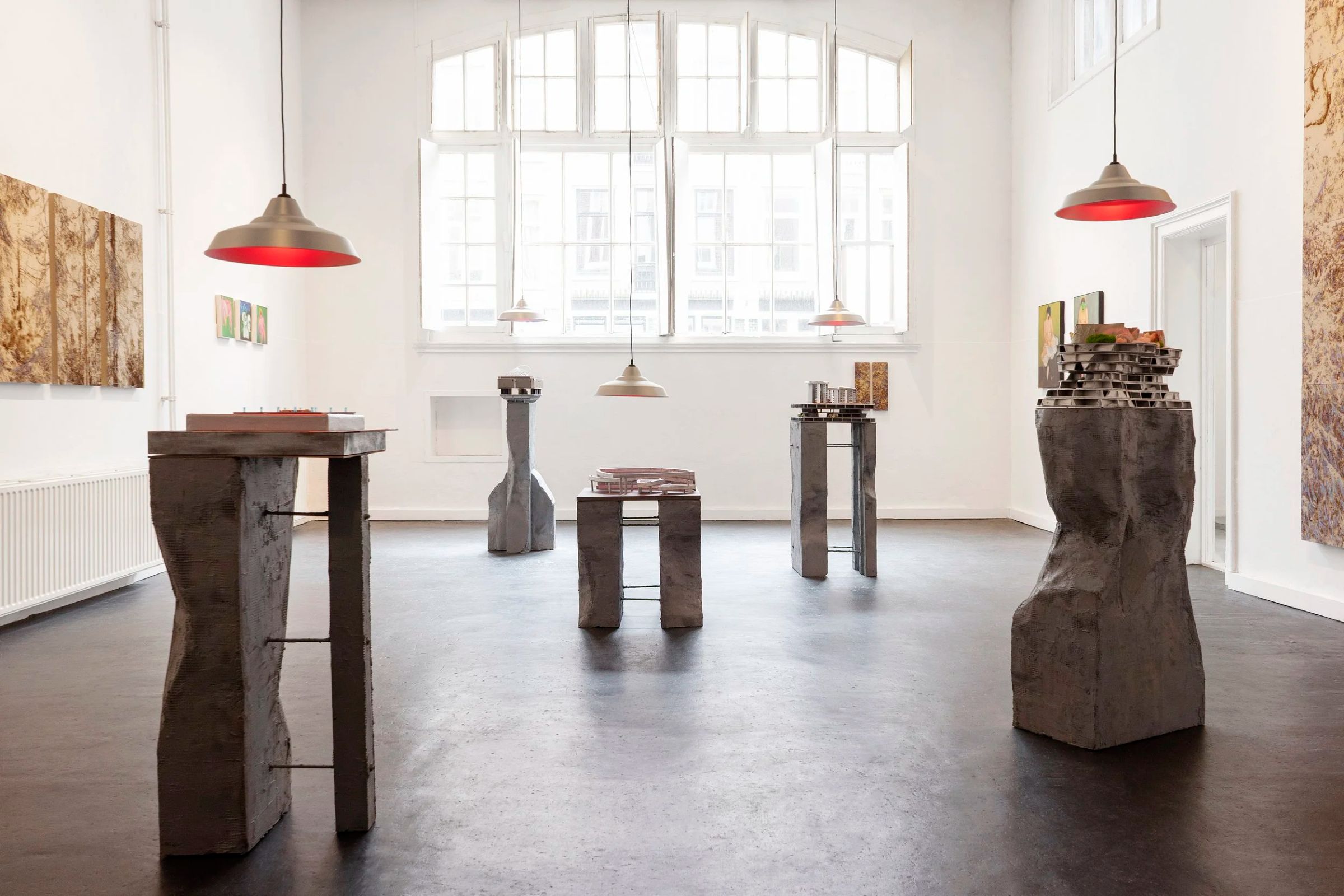
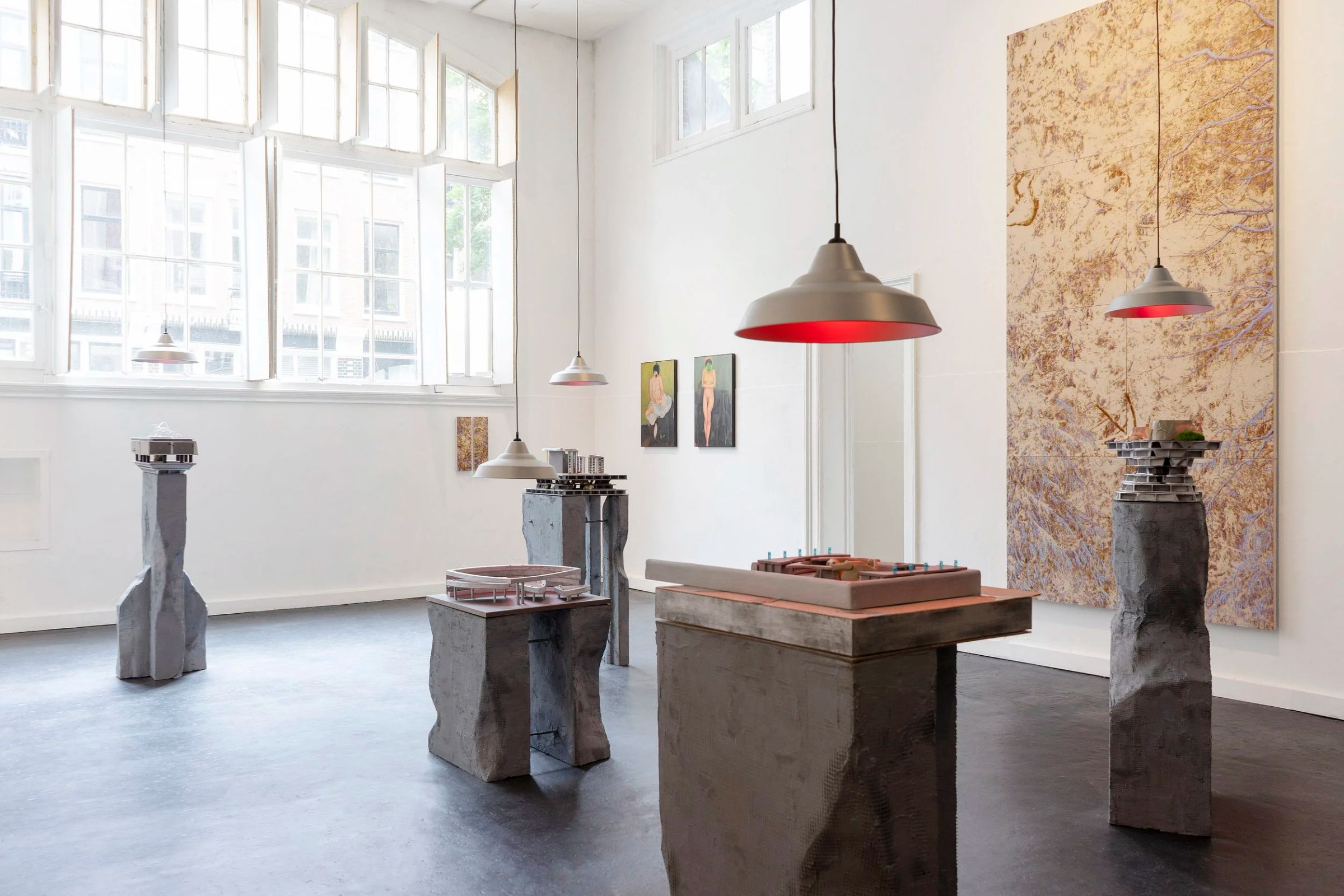
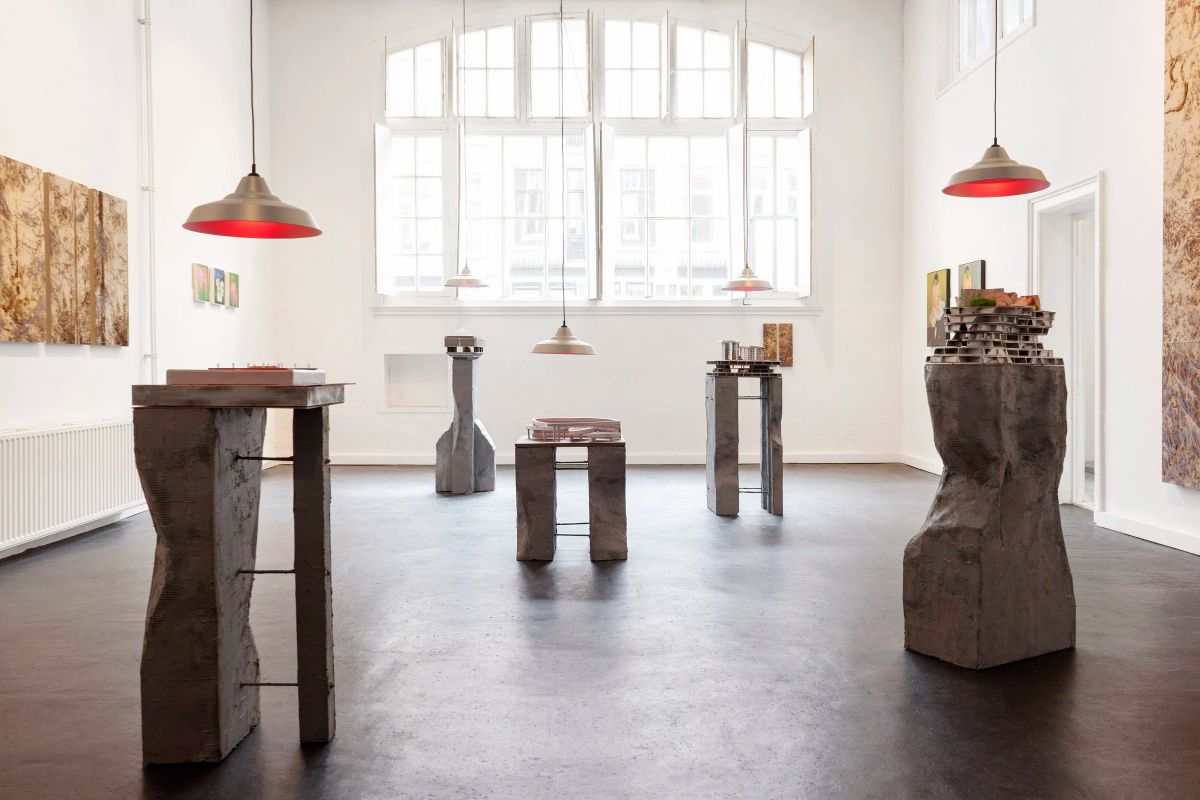
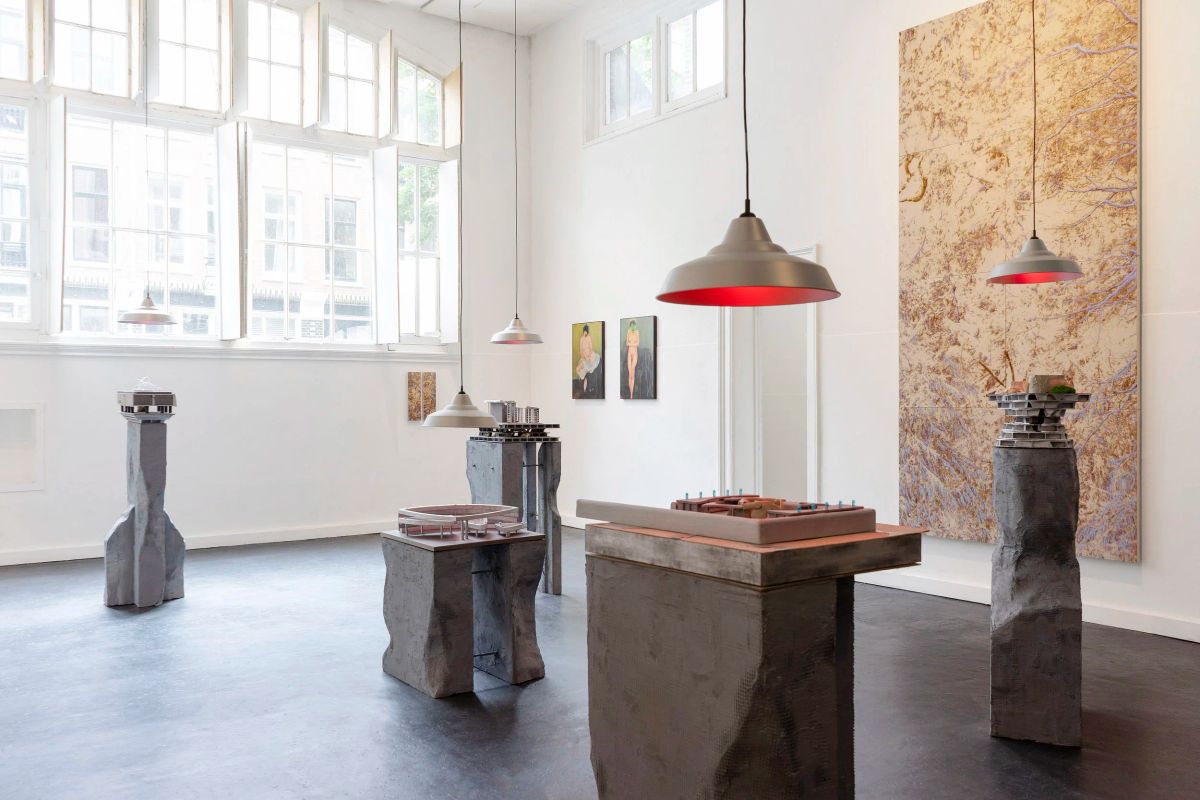
birch plywood, aerosol coating, Finsa MDF Greenpanel, structural laminate, expanded polystyrene, paper, preserved moss, corrugated fiberboard, extruded polystyrene (XPS) foam, concrete, steel rods, acrylic paint

steel wire, aluminium, steel plate, birch plywood, Electromagnetic Interference (EMI) Shielding Plate, valchromat, sand, preserved moss, extruded polystyrene (XPS) foam, concrete, steel rods, acrylic paint
Installation views
Artist
Natalia Jordanova
As part of her ever-developing quest for possible worlds, the artistic practice of Natalia Jordanova (1991, Sofia, Bulgaria) is a subjective synthesis and material proposition of what defines the present moment. Through speculative fiction her work is a projection of the future, fabulating the unknown unknowns. Jordanova builds context-aware installations through the deployment of various practices. They translate materialities and study the sculptural possibilities in the exchange between the digital and physical, the flat and three-dimensional. Her work engages with the shift of these realms, weaving together narratives of past accumulations and future speculations. Through the frameworks of science and history, she explore what it means to be human today in the interplay of natural and artificial beings, as well as human and non-human agents. She focuses on the condition defined by our relationship with technology, image, and language mediation, as well as the new understanding of materiality in a network-dominated age. The artist examines how recent technological and tool progress alters emotionality and will affect human-to-human and human-to-machine communication in the foreseeable future. Her most recent work utilizes generative artificial intelligence to explore its conceptual possibilities at the intersection of poetry and criticality. She investigates its fast-developing implications for human life and how it changes our understanding of reality. Her interests lie in its conceptual potential to contribute to historical continuity, care for silenced feminist histories, and question the role of AI in evolution.
More about Natalia Jordanova →