24 June – 29 July 2023
Carmen Schabracq, Dodi Espinosa, Saar Scheerlings
Sources of Wonder
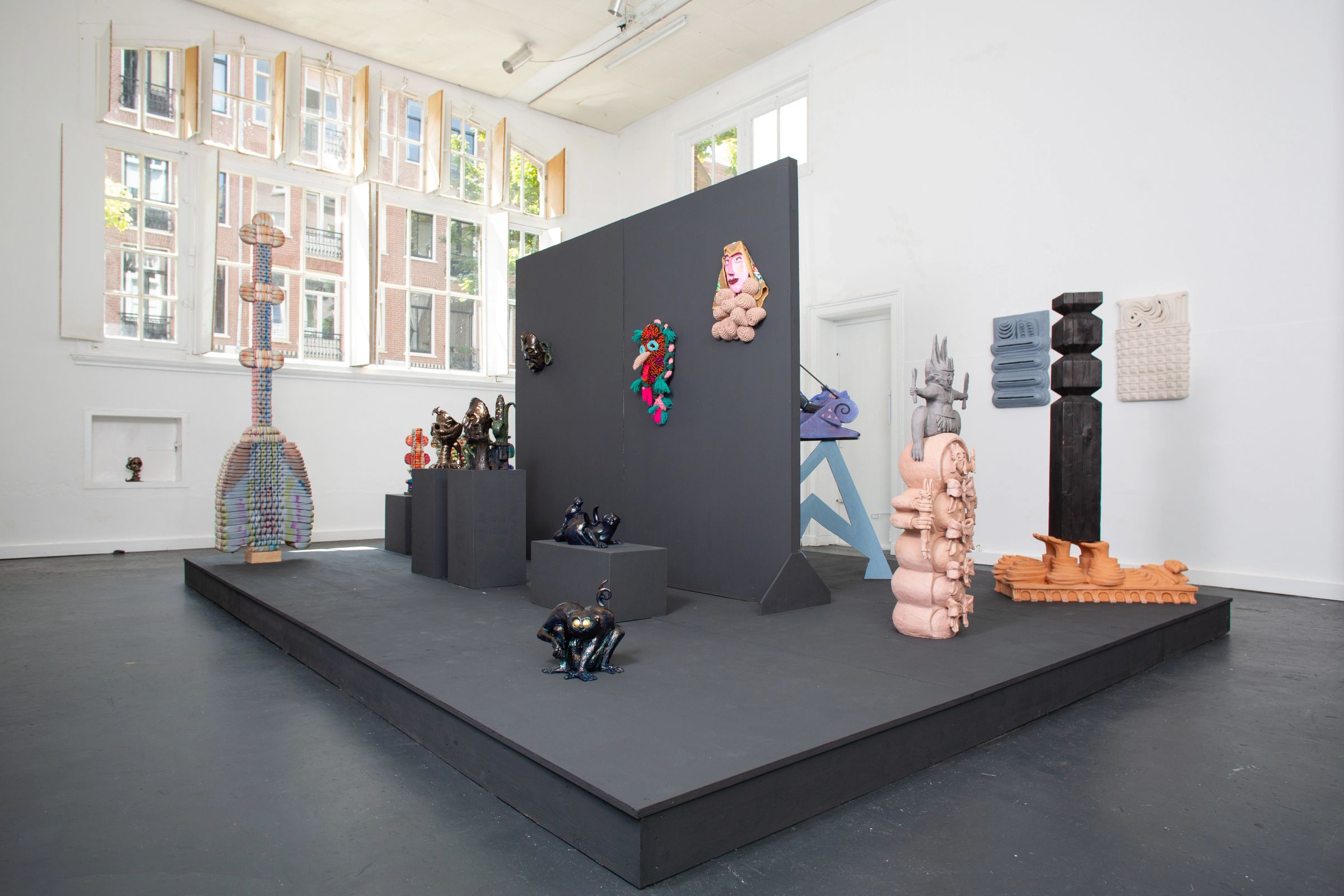
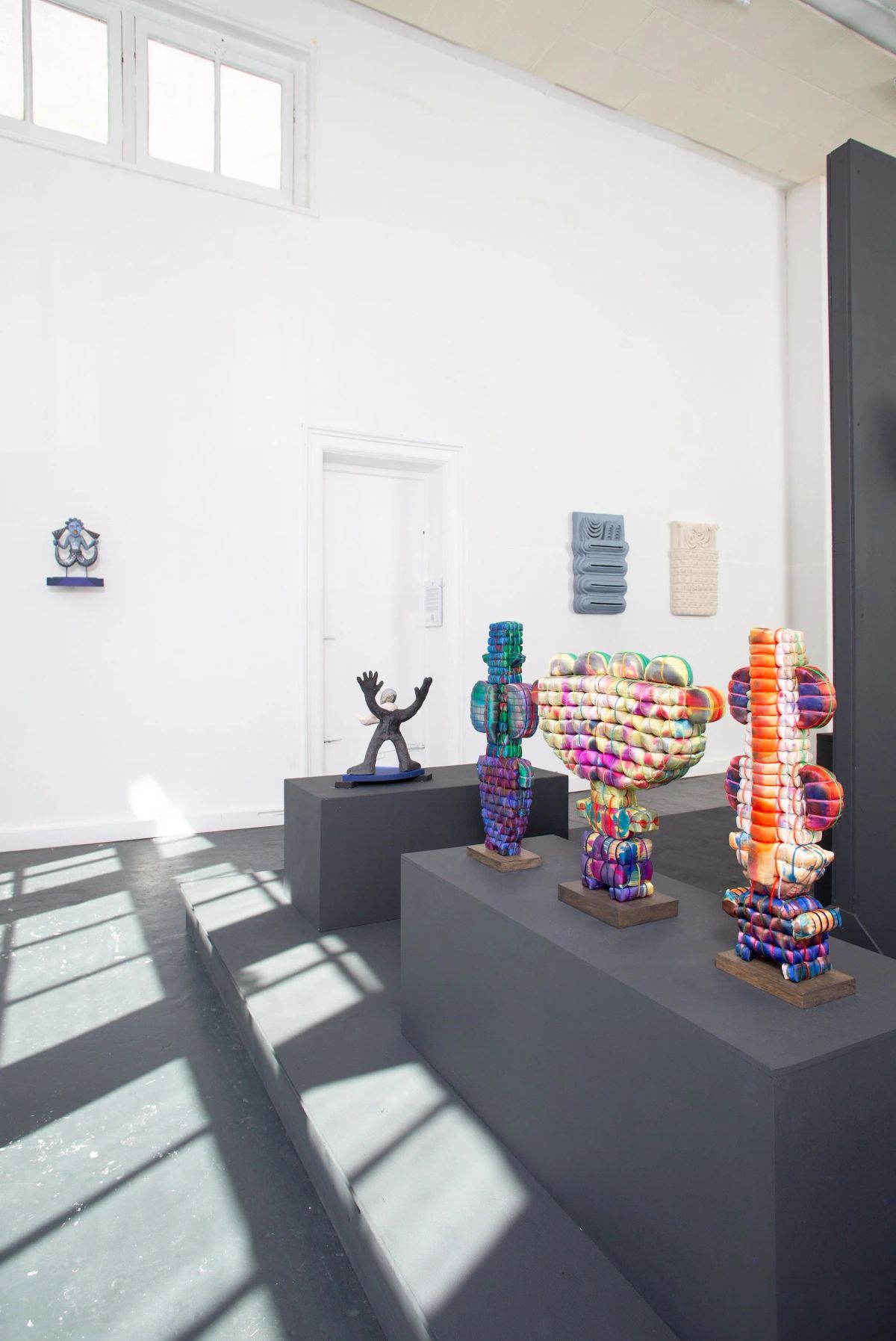
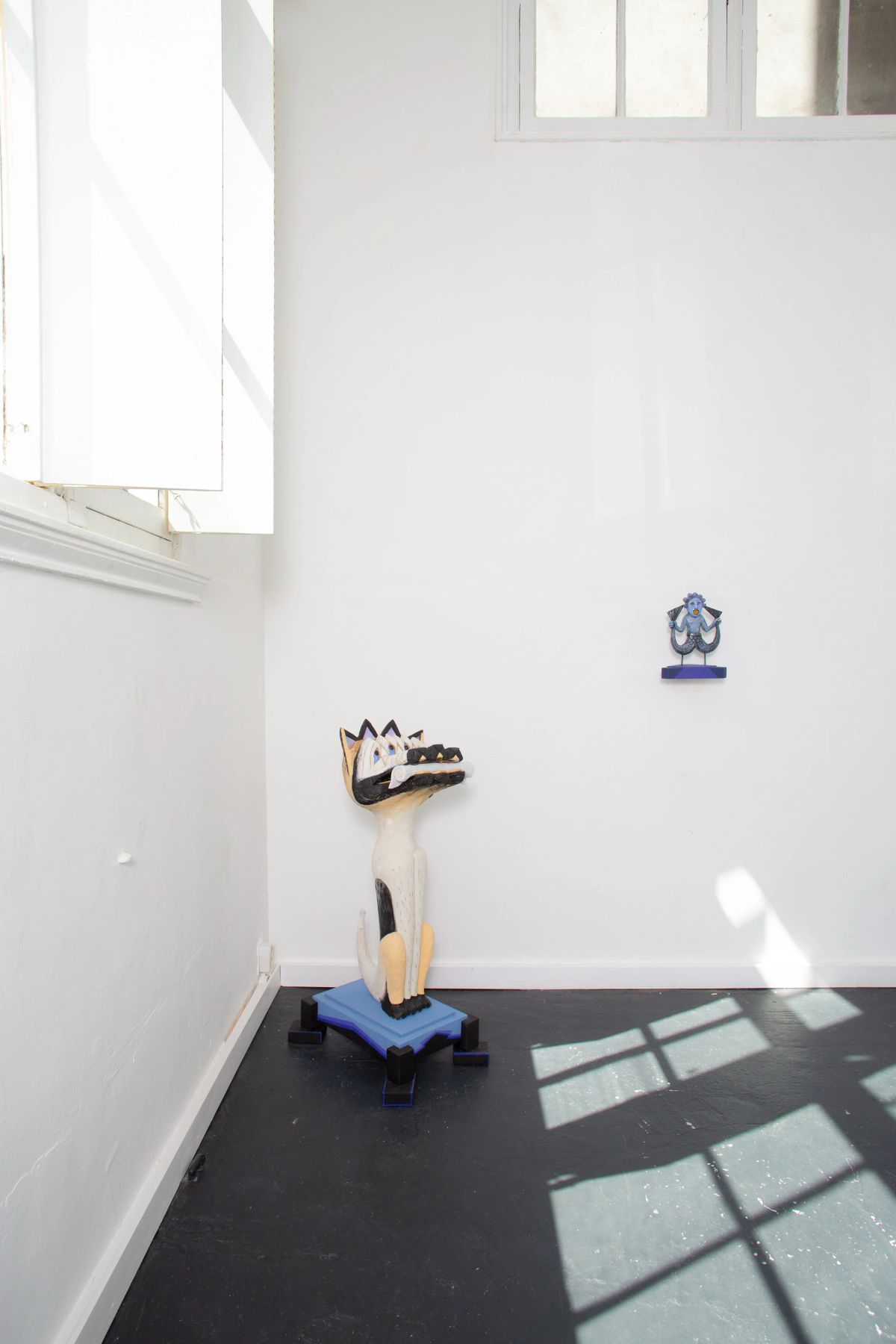
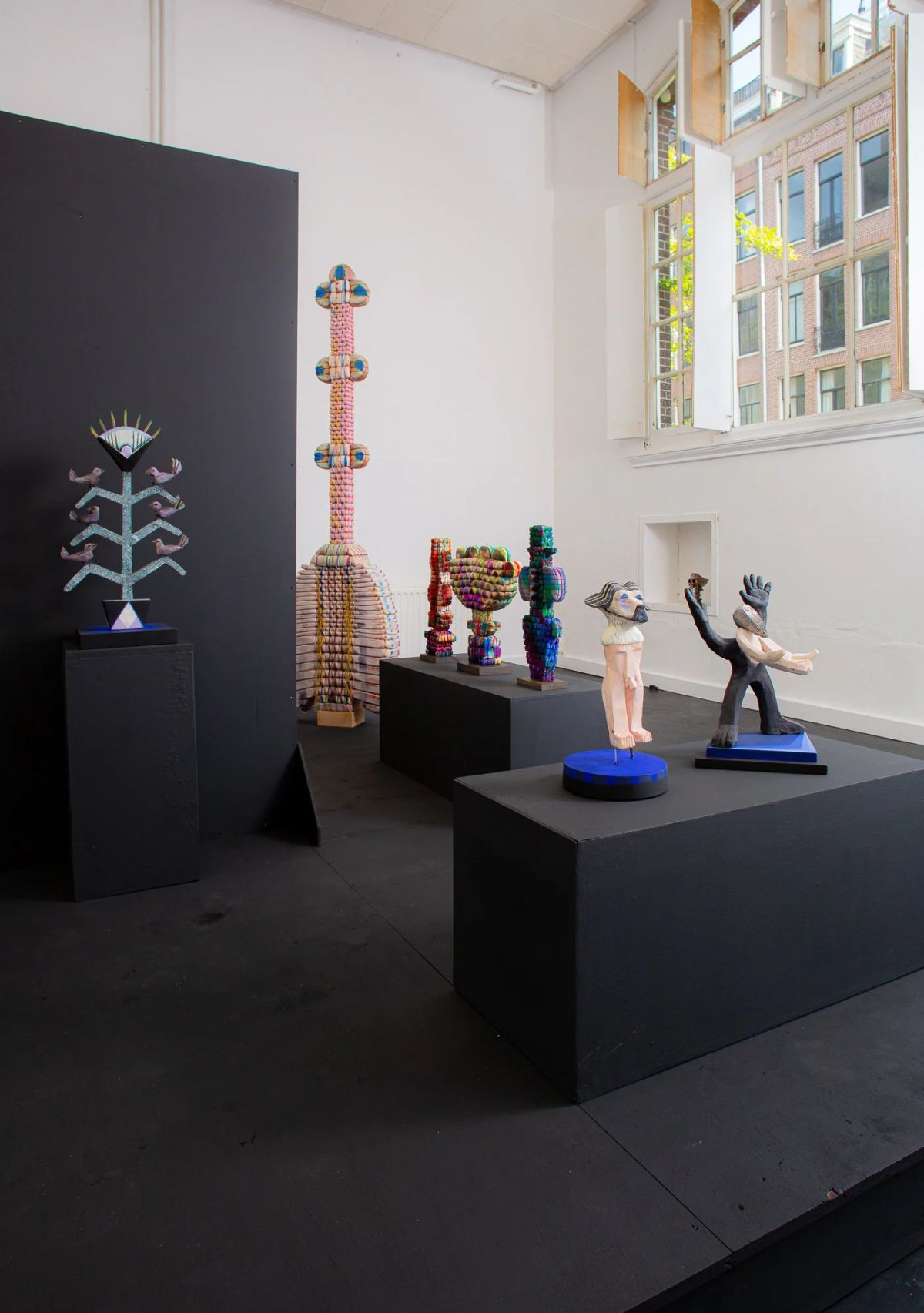
On a stage, as if it were a presentation in a cultural history museum, we show a collection of wondrous objects. Artists Dodi Espinosa, Warre Mulder, Sharon van Overmeiren, Carmen Schabracq and Saar Scheerlings make sculptures that refer in different ways to cultural expressions and stories of the past and present, from around the world. Sometimes they look at these sources of inspiration from a distance, sometimes they are actually experienced. Always they result in unique works with their own story, but which are also free for the viewer's interpretation.
With her textile talismans and ceramic sculptures, Saar Scheerlings (Eindhoven, 1990) shows a search for a sense of inspiration and meaning, as we know it from ancient cultures and religious artefacts. Her objects invite you to project your own idea onto them. With her work, she wants to show that culture is not uniform but rather hybrid and subject to a multitude of interpretations. Her process is like a kind of trade route or port where all kinds of previously unknown things can influence each other.
Timeless motifs
The sculptures of Warre Mulder (Borgerhout, 1984) draw from things as diverse as mythological literature and popular culture such as comics. Timeless motifs and characters from different, often culturally distant contexts, combine to form new constellations of meaning. The sculptures he creates from wood or acrylic resin sometimes appear somewhat awkward due to enlarged limbs or comical faces, but are at the same time serious and poignant.
An eclectic mix of inspirations can also be seen in the work of Sharon van Overmeiren (Antwerp, 1985). Her images embrace the multitude and diversity of images and information we are presented with every day through various media. This flow of information is the starting point for her sculptures in clay, wax and wood, which are assemblages of visual elements brought together in a new context.
Soul
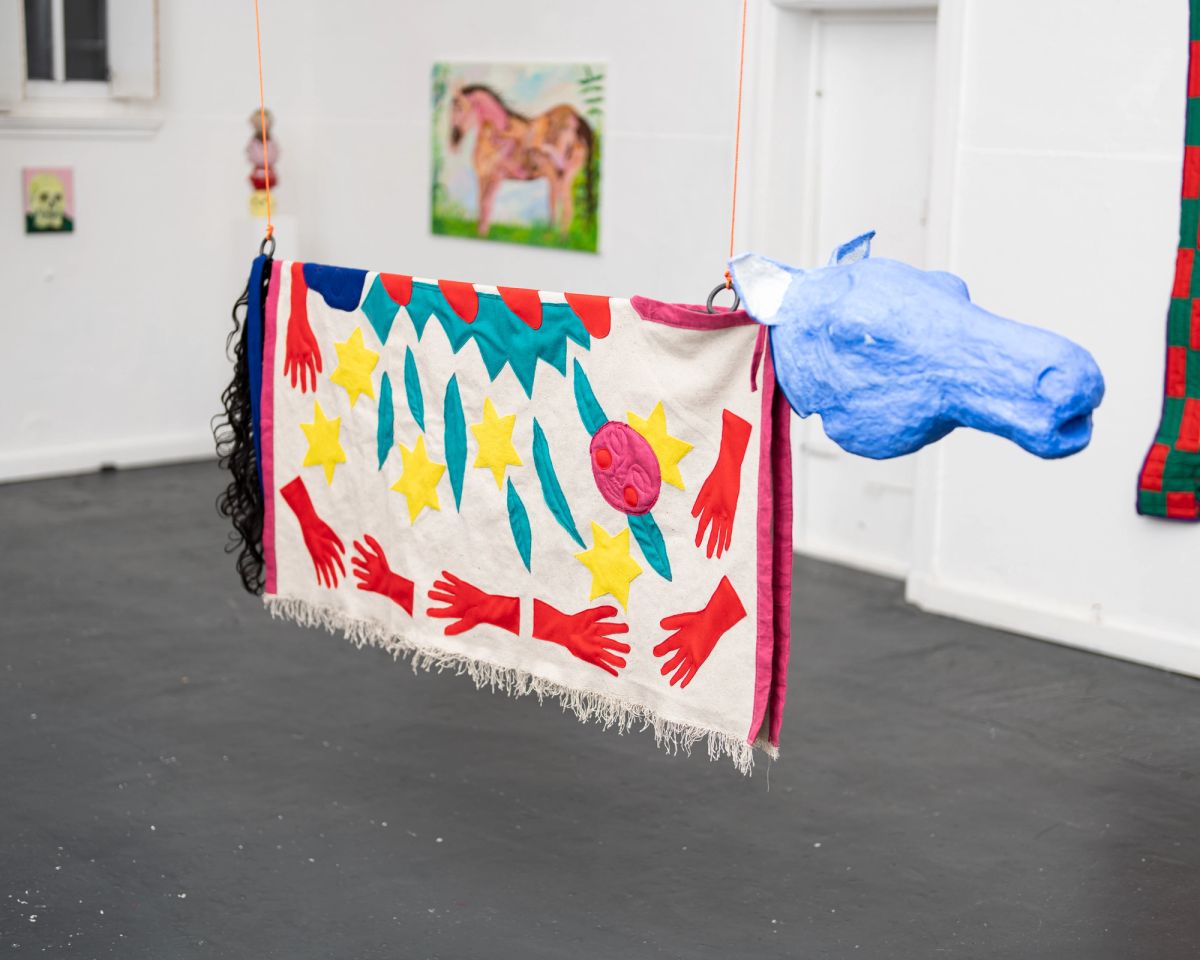
The sculptures of Dodi Espinosa (Mexico City, 1985) carry a spiritual charge that is addressed by him in ritual performances. His work reflects on his position as an artist with a Latin American background living in Europe. His hybrid and unexpected life path is reflected in the eclectic imagery that characterises his creations. Cultural exchanges and paradoxes are at the heart of his work. Carmen Schabracq's (Amsterdam, 1988) masks are worn in her theatrical performances. She gathers stories from different myths, traditions, her own experiences and uses them to create collage-like, visual narratives. With her masks, she explores the complexity of human identity. A mask is a tool within a ritual or performance, to become 'the other' and she plays with this in different ways.
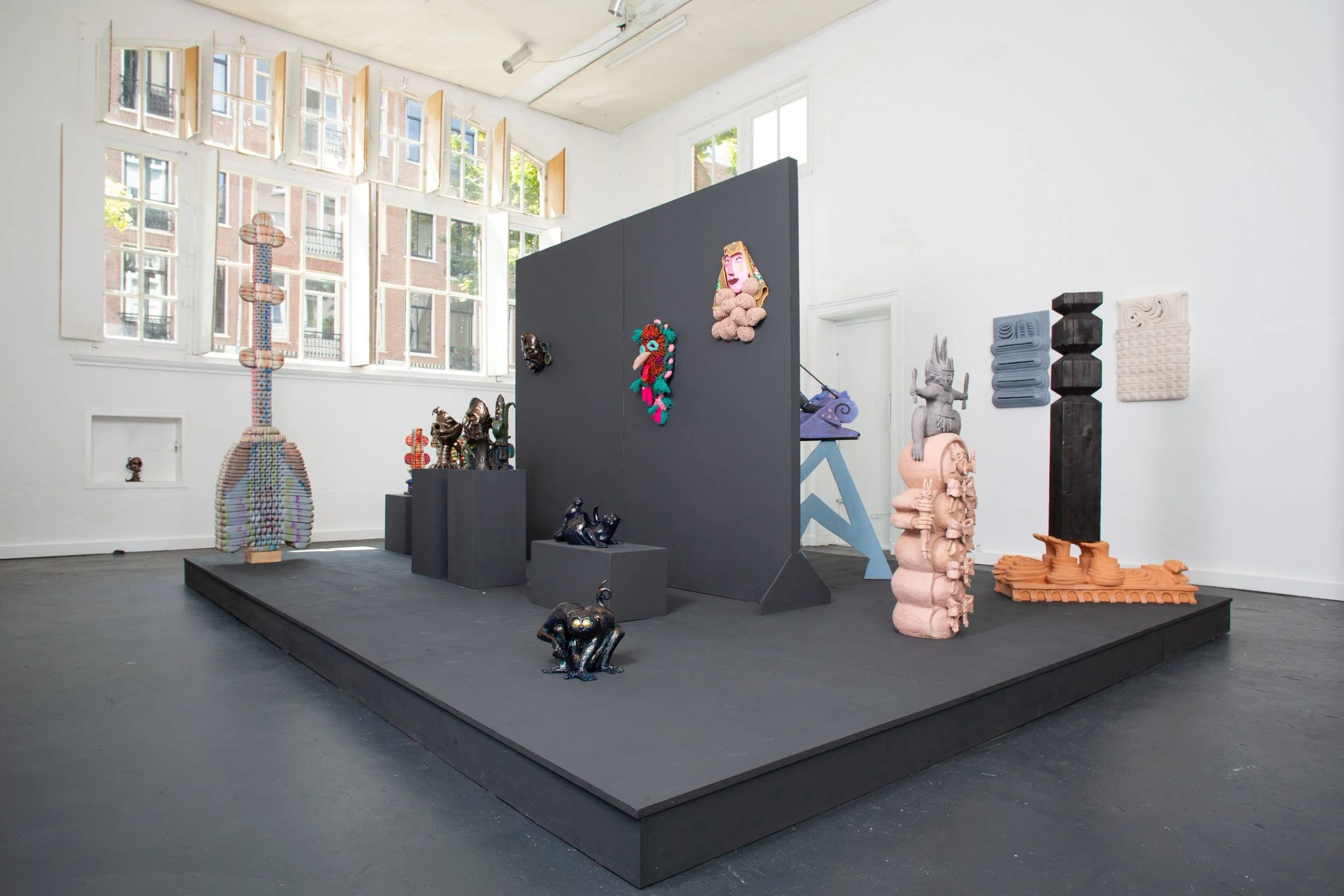
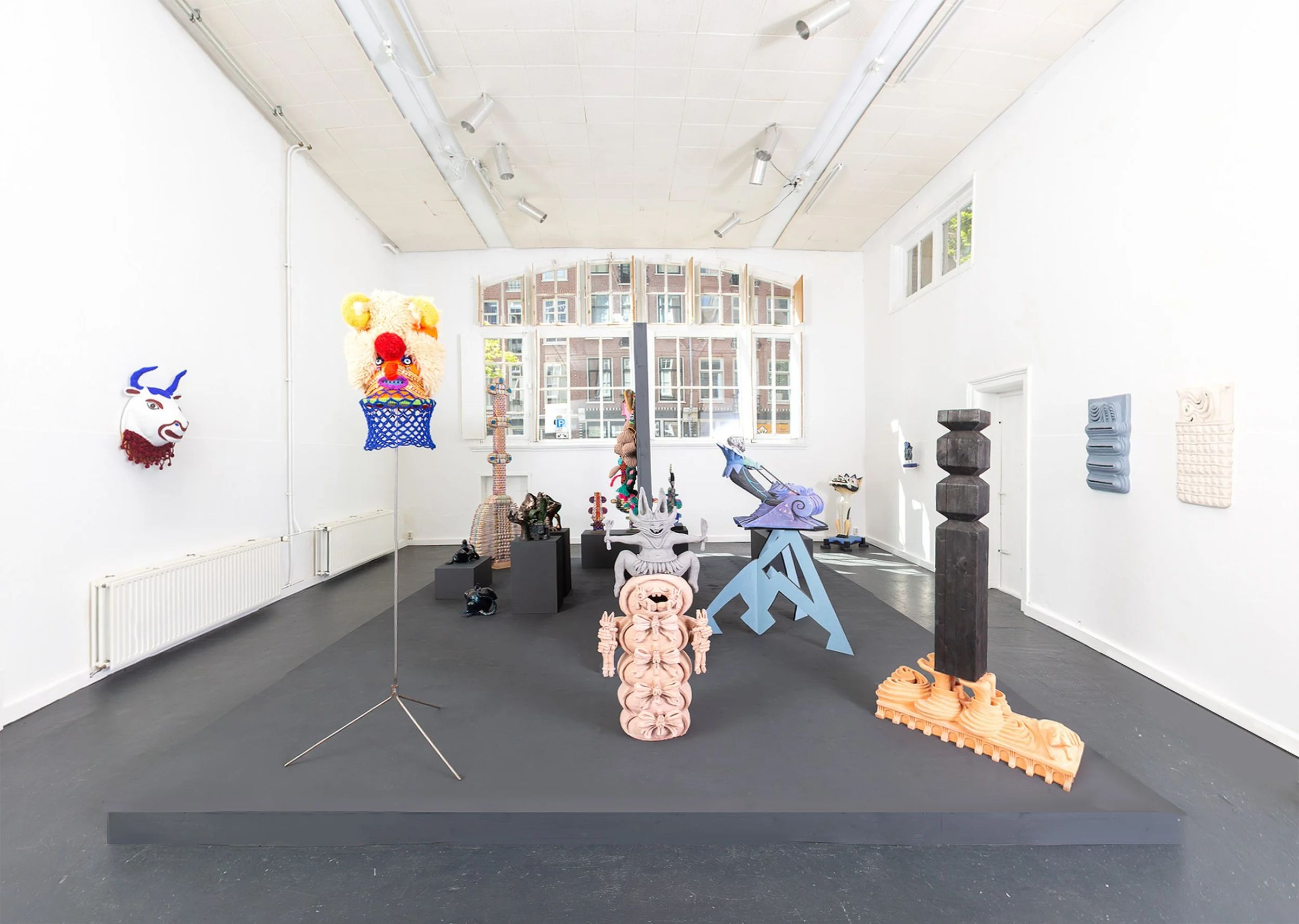
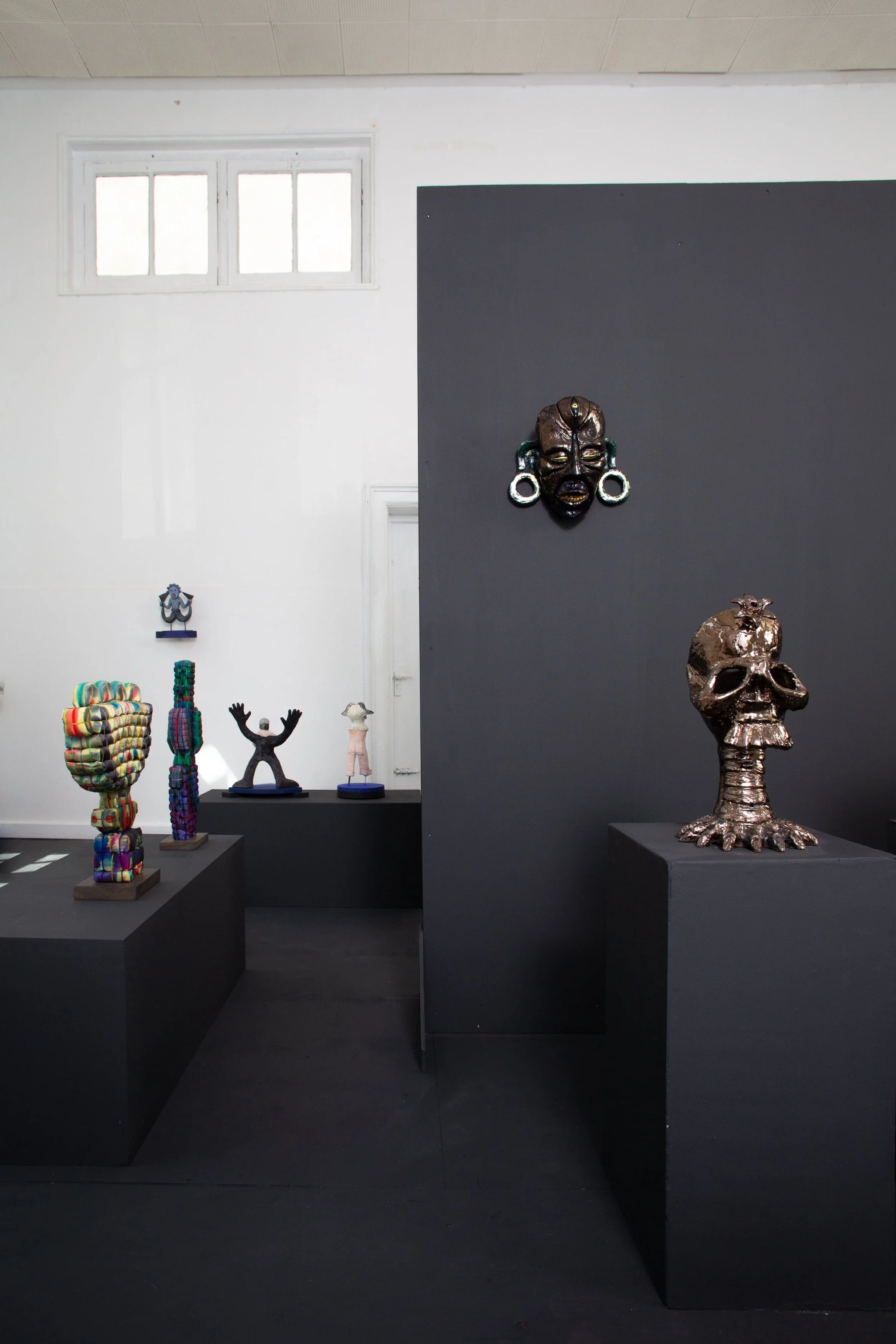
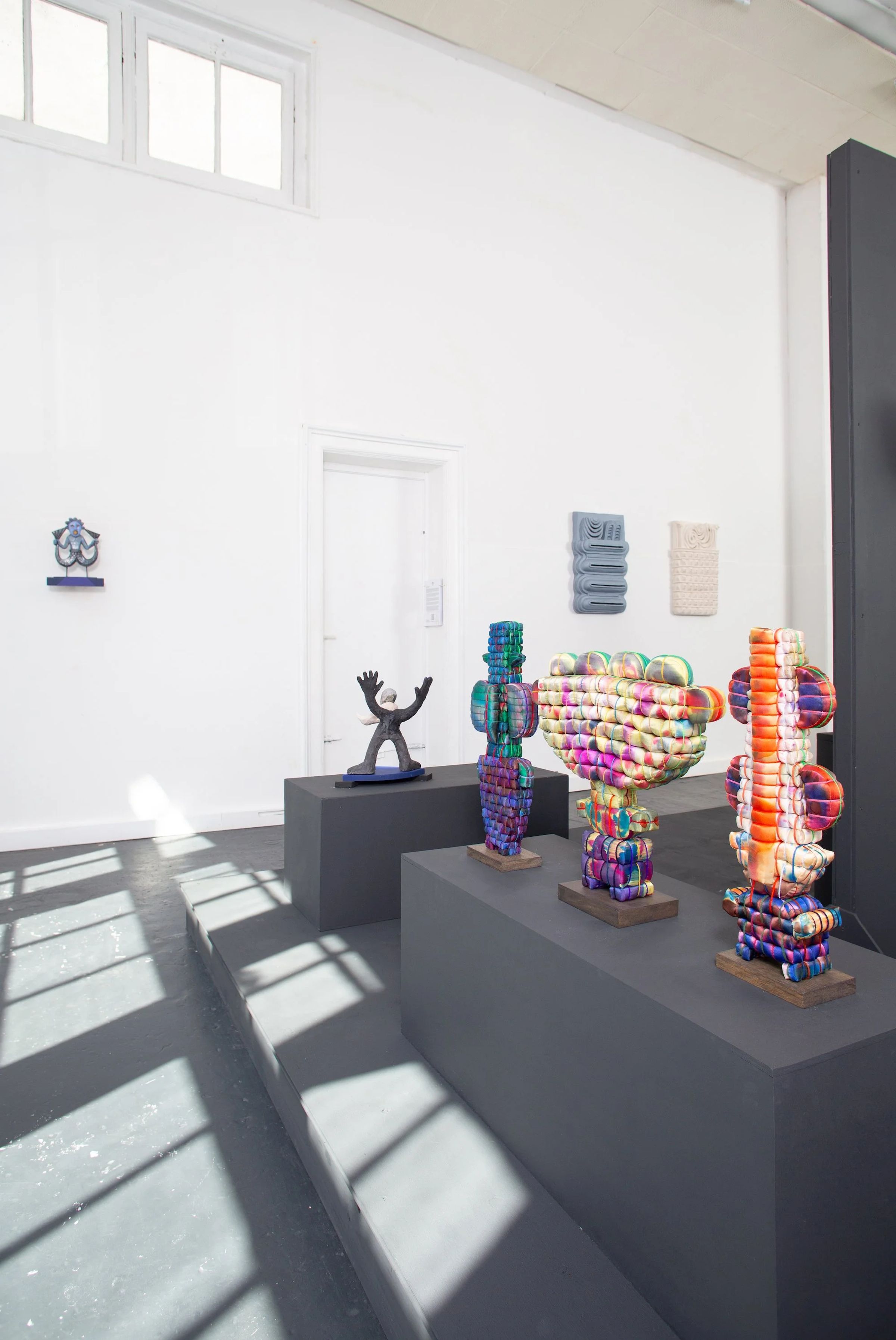
Installation views
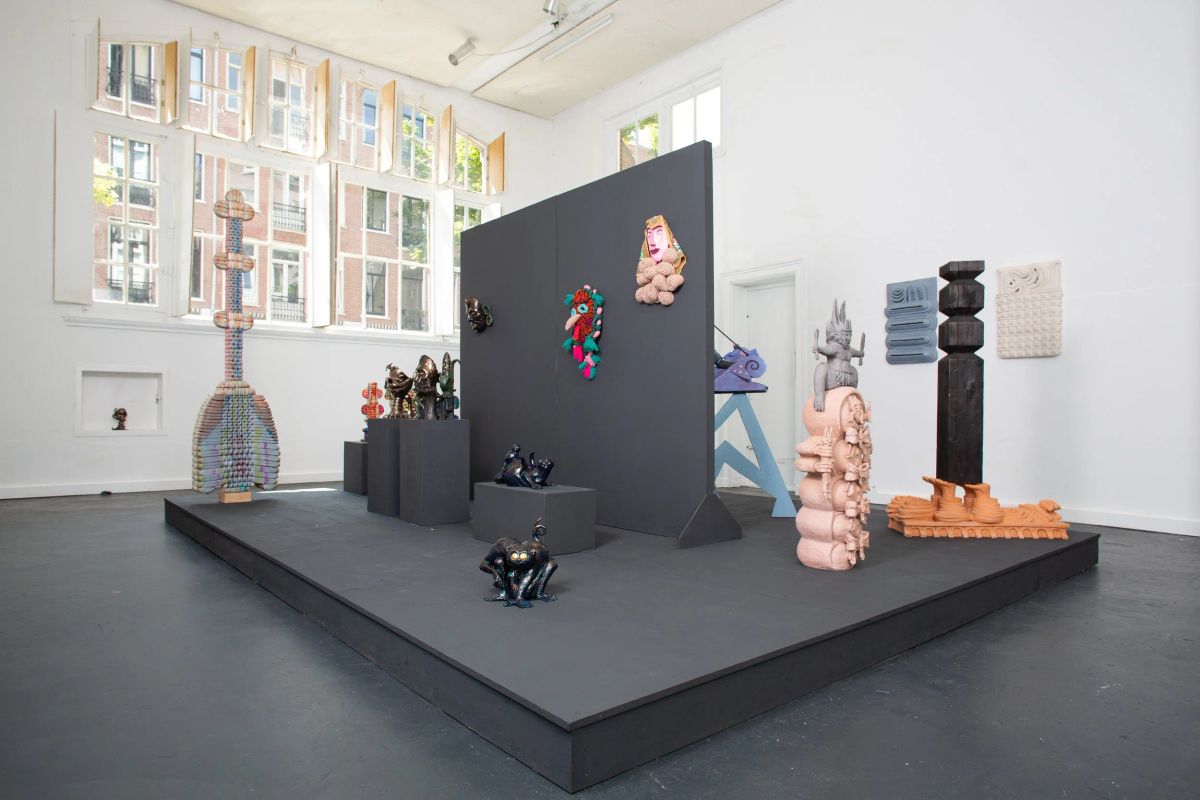
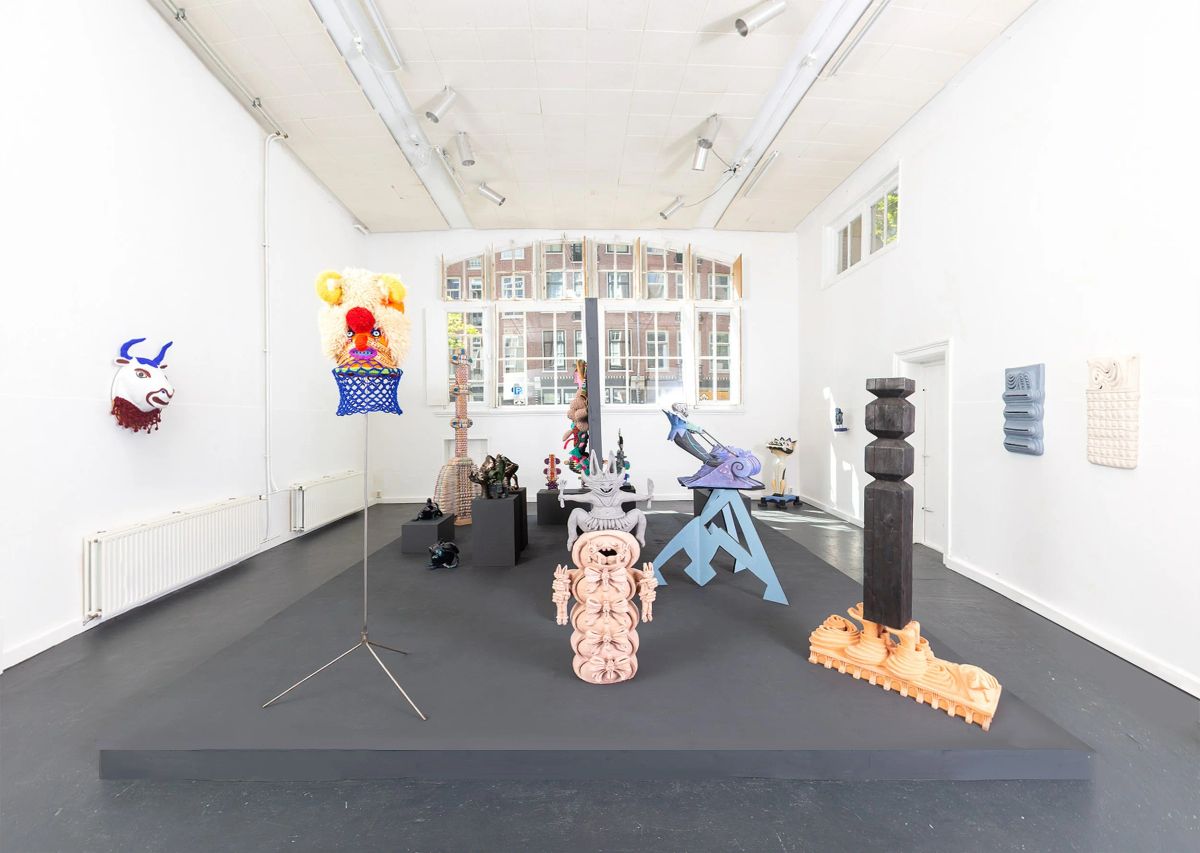
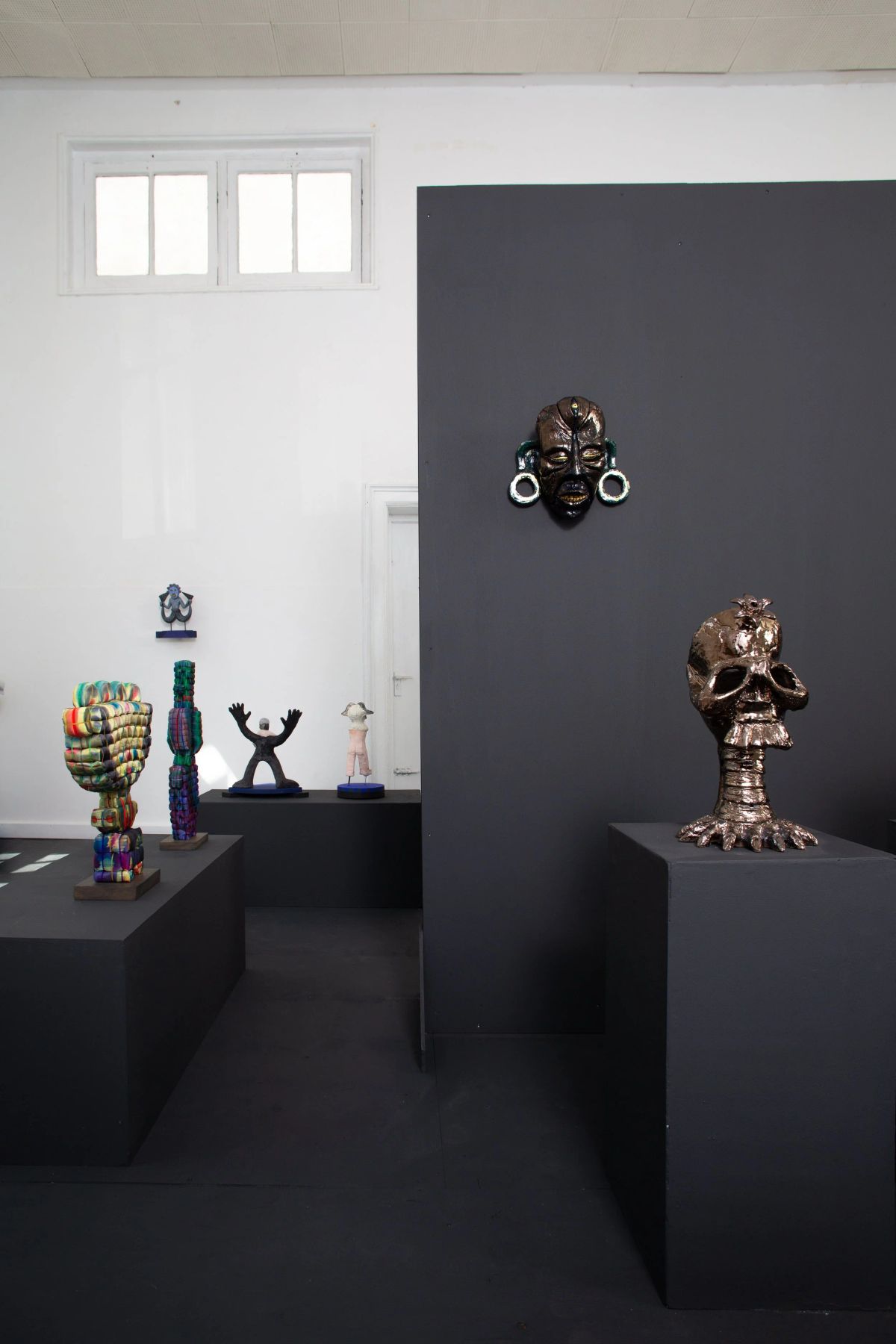
Artists
Carmen Schabracq
Carmen Schabracq (Amsterdam, NL, 1988) creates paintings, sculptural installations, masks and performances in which the theatricality of life plays an important role. She gathers stories from various myths, traditions and her own experiences and uses them to create collage-like visual narratives. The mask is a recurring object and theme in her work, which she uses to explore the complexity of human identity. A mask is a tool within a ritual or performance, to become 'the other' and she plays with this in various ways. Her work is also a form of escapism because of the characters she places in spaces of colour. A way to briefly escape from this world and imagine yourself in another, full of playfulness and humour, to deal with the layered reality of life and death. Just as folkloric rituals and traditions do, for instance in the celebration of the seasons, to propitiate the gods, scare off demons and devils or celebrate fertility. Schabracq's work is a stylised theatre of her own cosmos, with references from art history and folklore such as costumes. Carmen was born in Amsterdam (1988), where she now lives and works. In 2012 she obtained her BA in fine arts from the Gerrit Rietveld Academy, after a year of painting studies at the Academia di Belle Arti in Rome. In 2015 she obtained her MA in theater costume design at the Royal Academy of Fine Arts Antwerp, with a research and body of work she called 'naked masks'. In 2017-2018 she received the ‘new makers subsidy’ from the Performing Arts Fund NL, with which she made two in situ performances in Zeeland. Her work has been shown in several museums, like Stedelijk Museum Breda, Museum Tot Zover, Amsterdam and Nest, The Hague.
More about Carmen Schabracq →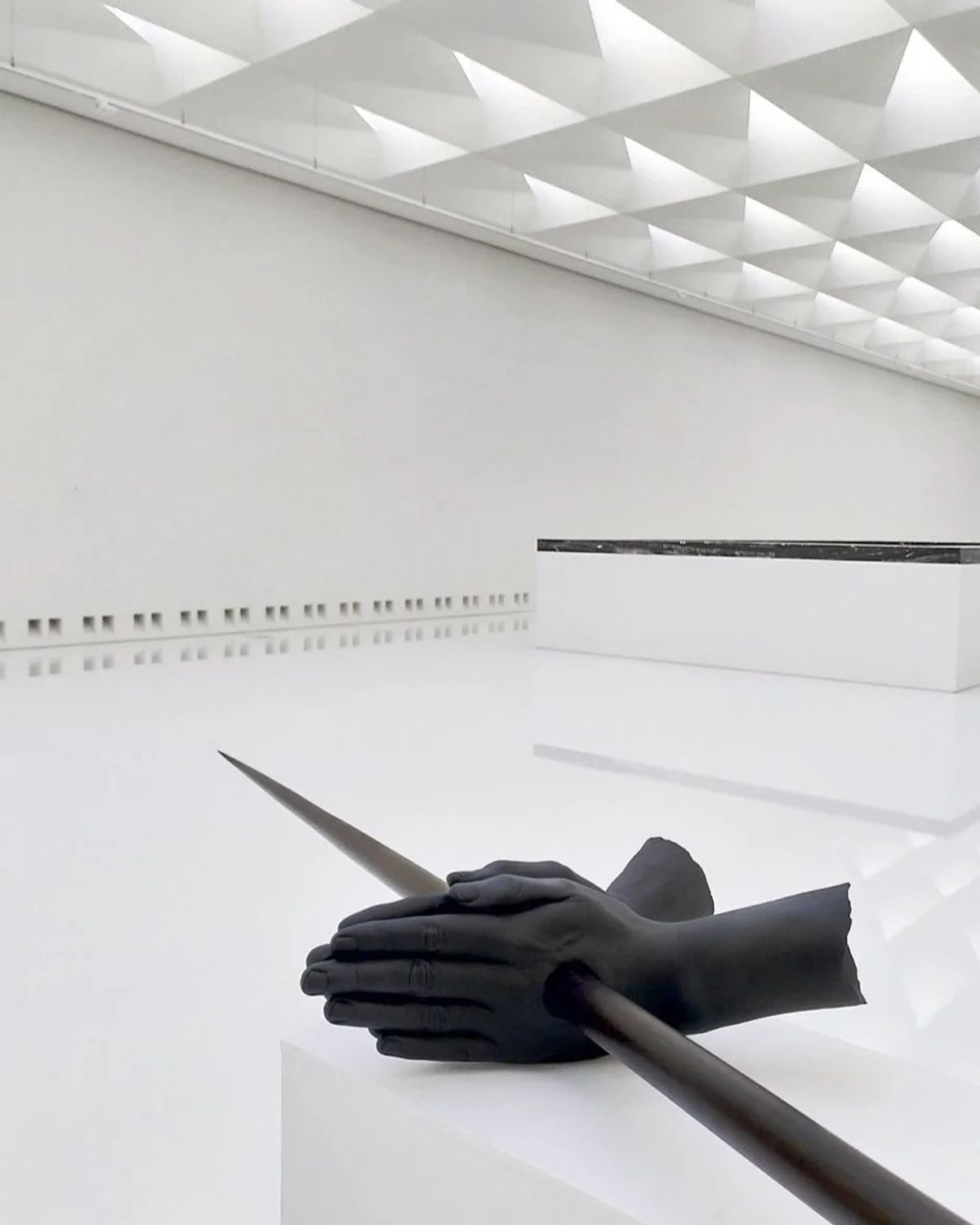
Dodi Espinosa
Dodi Espinosa (MX, 1985) is an interdisciplinary artist originating from the vibrant heart of Mexico City, where the colourful tapestry of archeology, shamanism and syncretism shaped his worldview and artistic sensibility. Now a Belgian citizen he calls Antwerp his home. His creations encompass performance, installation, objects, painting, workshops, among others. Each infused with inspirations from archaeology, sacral art, pop and indigenous cultures, and his characteristic tongue in cheek. His works have earned places in institutional and museum collections in both Belgium and the Netherlands. This acknowledgment not only underscores his reputation but also amplifies the cross-cultural dialogues he aims to cultivate. The artworks of Espinosa are more than just visual expressions; they are profound messages and calls to societal awakening. He reflects on a myriad of societal challenges, from mental health and identity to race and sexuality. His art acts as a bridge, linking the past with the present, the deeply personal with the universal. As a queer voice with a postcolonial lens, he offers a unique and confessional perspective, pushing boundaries and prompting deeper introspection on issues that touch us all. While his initial work gravitated towards object-based art, his recent endeavours over the last years reflect a conceptual shift towards social experimentation, installation, performance and a more collective paradigm. Dodi Espinosa had a solo exhibition at Beautiful Distress, Amsterdam (2022). He also took part in group exhibitions in M HKA (in collaboration with. NICC), Antwerp (2019), the Fries Museum, Leeuwarden (NL, 2020), W139, Amsterdam (2020) and Mu.Zee, Ostend (2019 and 2022). His work is incorporated in the collections of Fries Museum, Mu.Zee, Museum van de Geest and the AkzoNobel art collection.
More about Dodi Espinosa →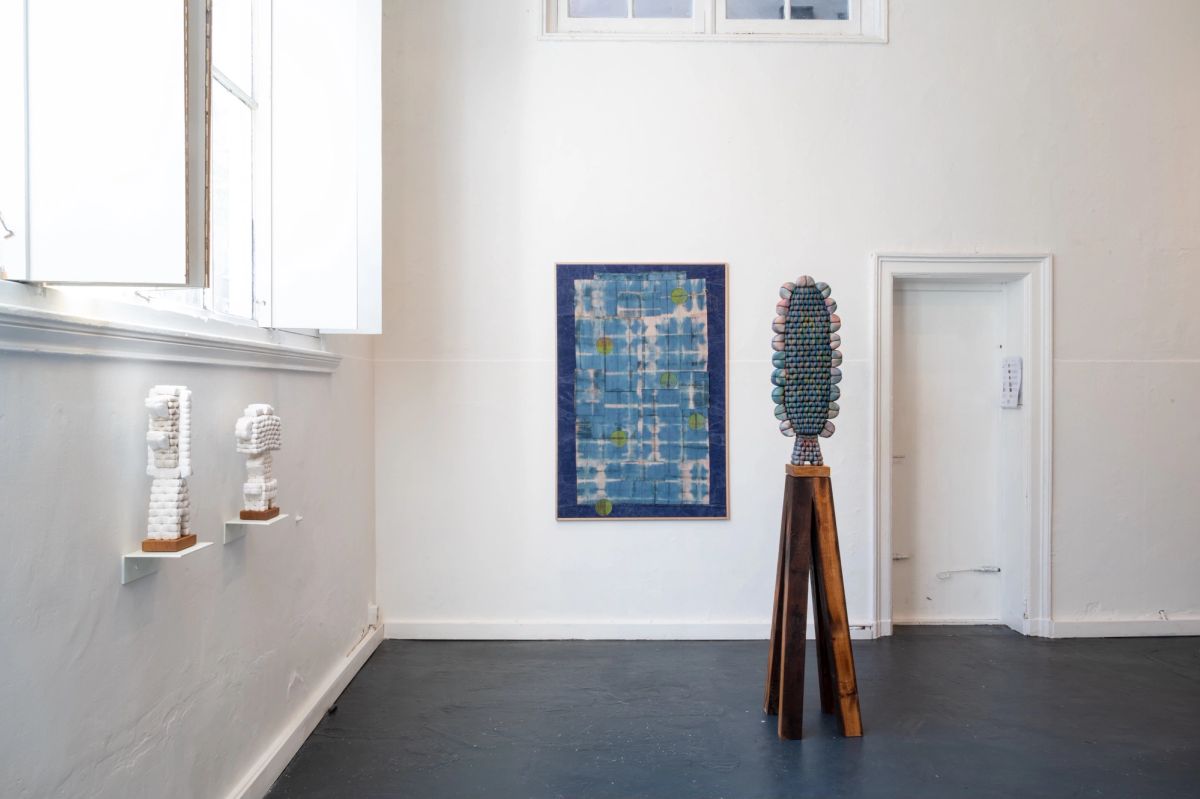
Saar Scheerlings
Born in Eindhoven in 1990, Saar Scheerlings embarked on her artistic journey after studying at the Design Academy Eindhoven and gaining experience as a chef and theater designer. Scheerlings mixes the disciplines of art, design and craft to find processes that give rise to new types and expressions. Her work includes large ceramic vessels that serve as painted maps, decanters that seem unwilling to pour, paintings that resemble fabrics and soft monumental sculptures. For her, a medium is not defined: she prefers to create her own playing field and associated rules. A great interest in daily life probably comes from her education in design, but she is not very interested in the way products are industrially designed, made and used. She prefers to see forms as intermediate phases of a creative process, a game, a tradition, a ritual, a culinary dish. It is the commitment to this process that gives objects meaning. Saars work is often triggered by the beauty and dedication of old materials like the antique linens she finds at garage sales in the French countryside where she lives. With a laborious process of sculpting, cutting, sewing and weaving she breathes new life into these materials, transforming them into her monumental talisman sculptures. Weaving is not only a technique for Saar, it is a metaphor for her entire work. She sees her oeuvre as an expanding structure. She not only creates work, she works on her own culture. The work of Saar Scheerlings has been shown in various international galleries and museums including CoBrA Museum, Design Museum Gent, Hanwha Galleria Seoul, Tripostal Lille, Galerie Fleur & Wouter, Valerius Gallery, HAGD Contemporary, De Nederlandsche Bank, Garage Rotterdam and at Palais de Tokyo, Paris, as a finalist for the prestigious Loewe Foundation Craft Prize.
More about Saar Scheerlings →