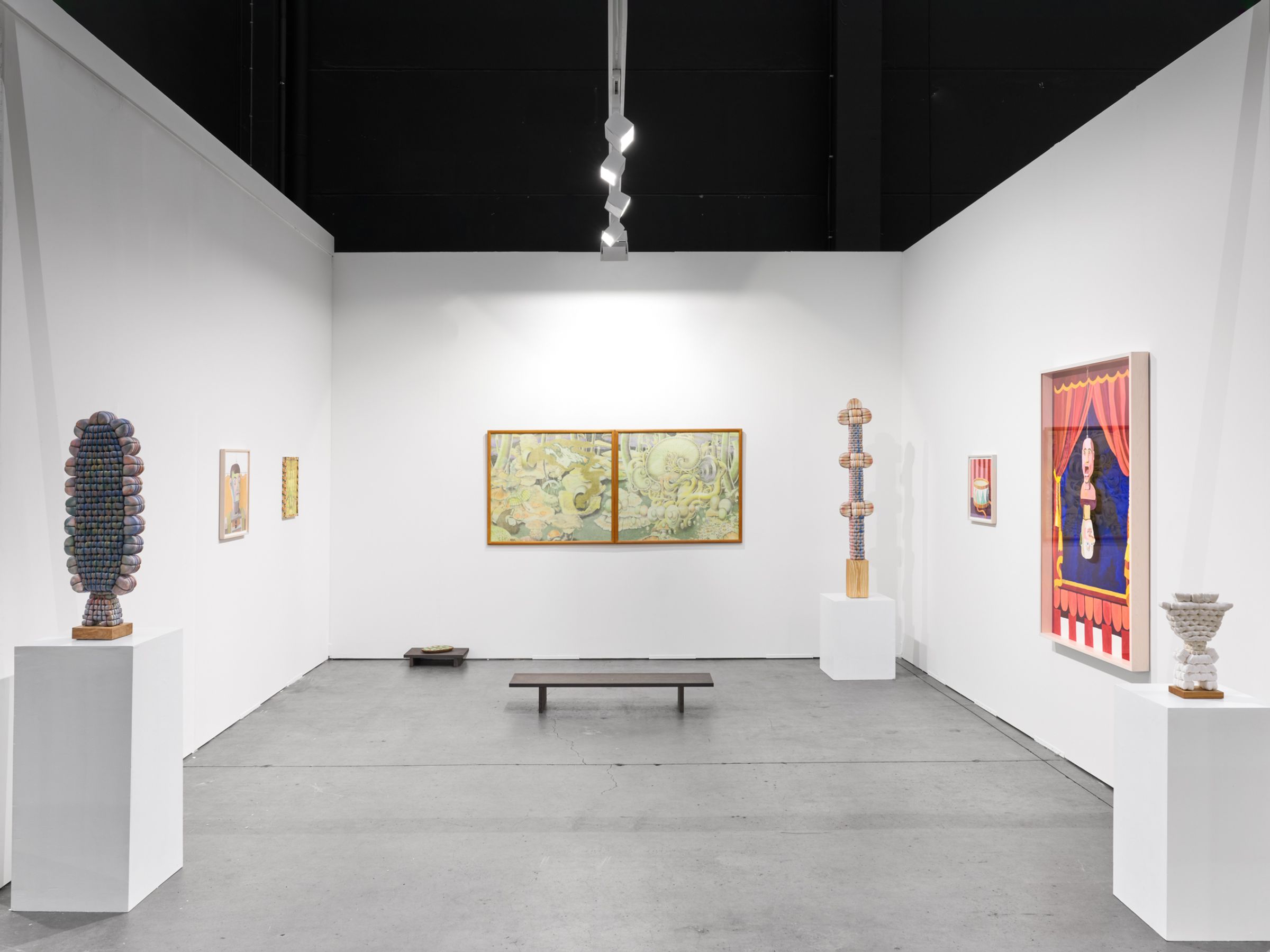
11 – 14 December 2025
Erik Mattijssen, Fiona Lutjenhuis, Saar Scheerlings
Art Antwerp 2025
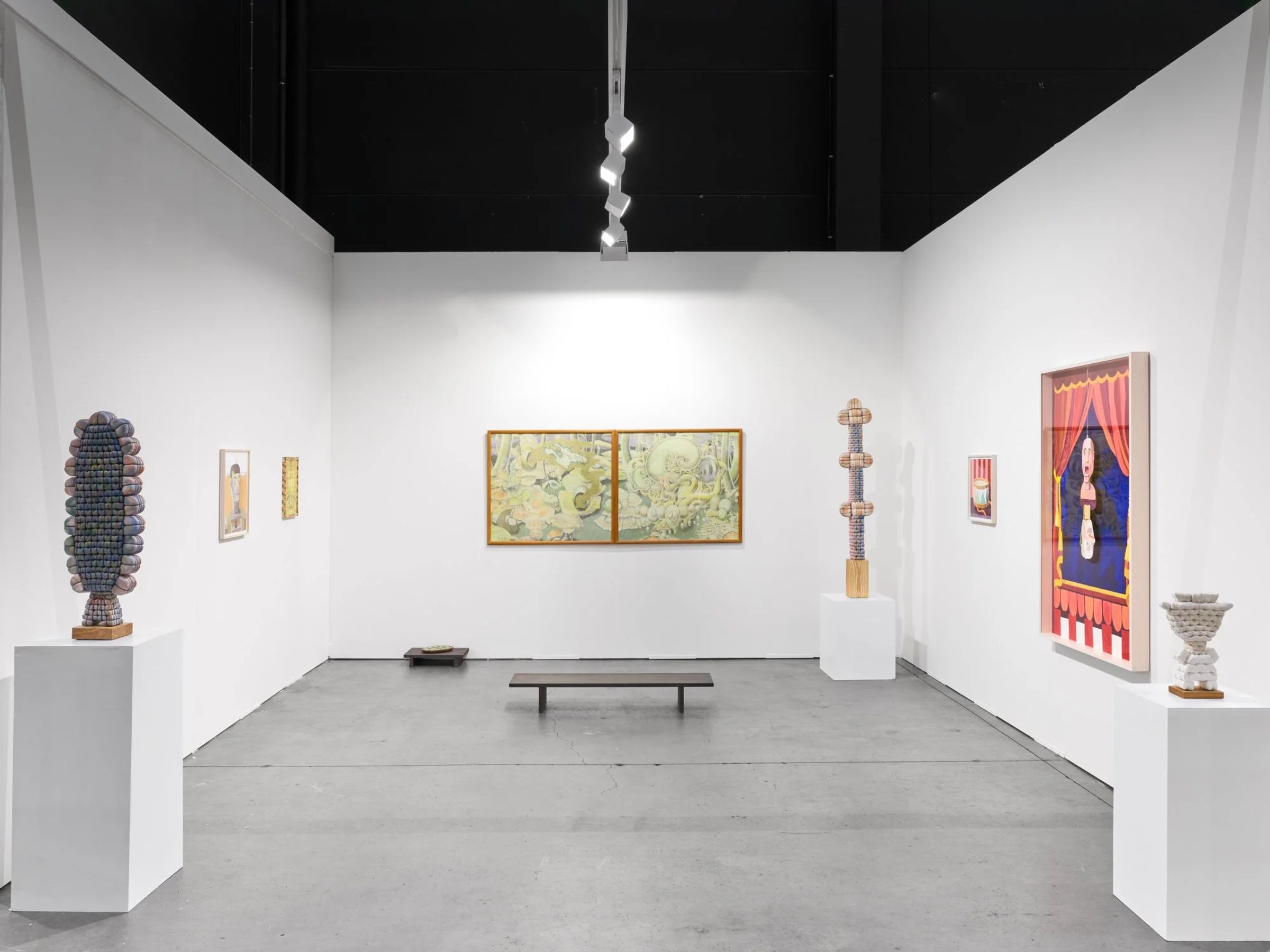
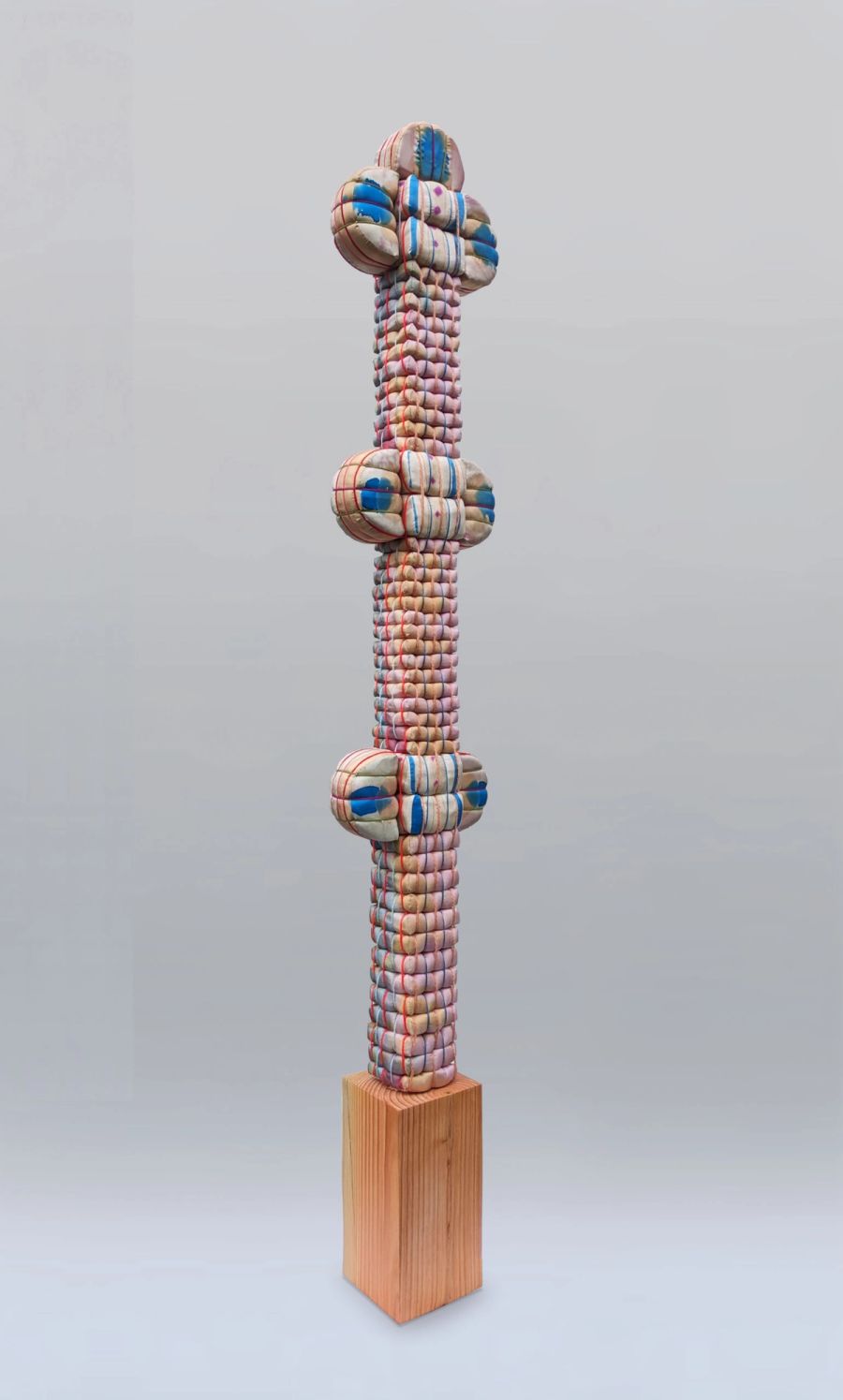
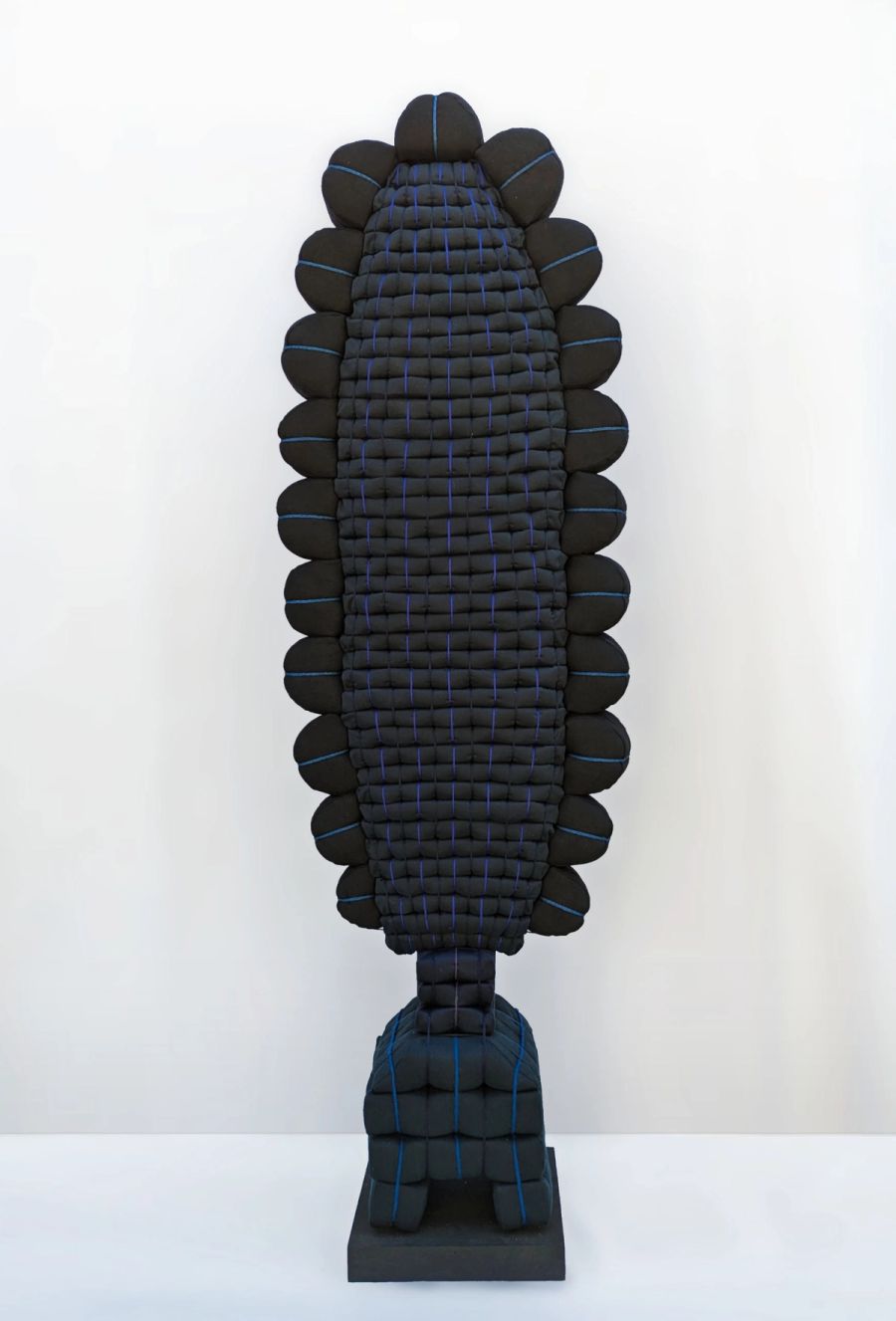
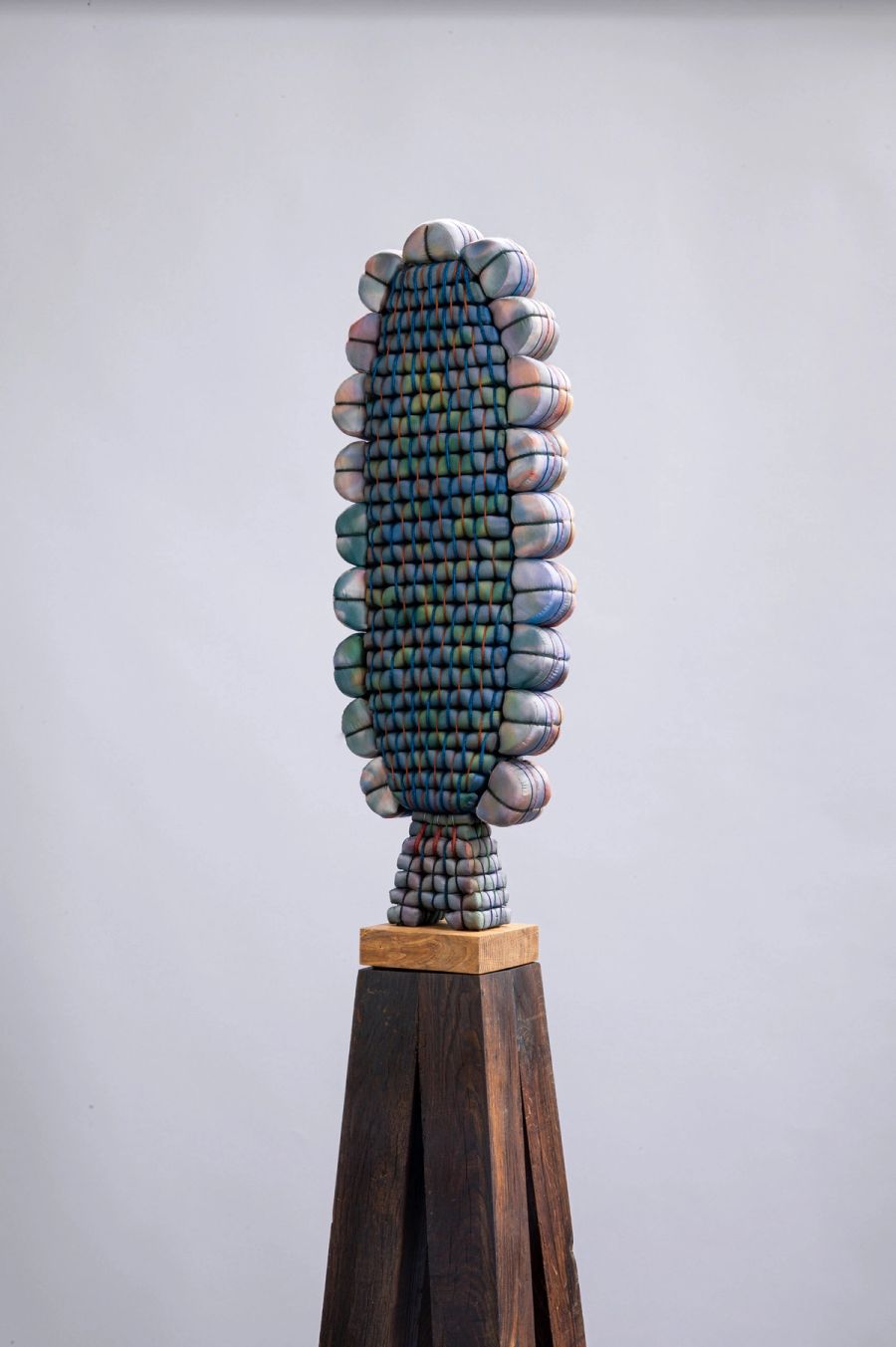
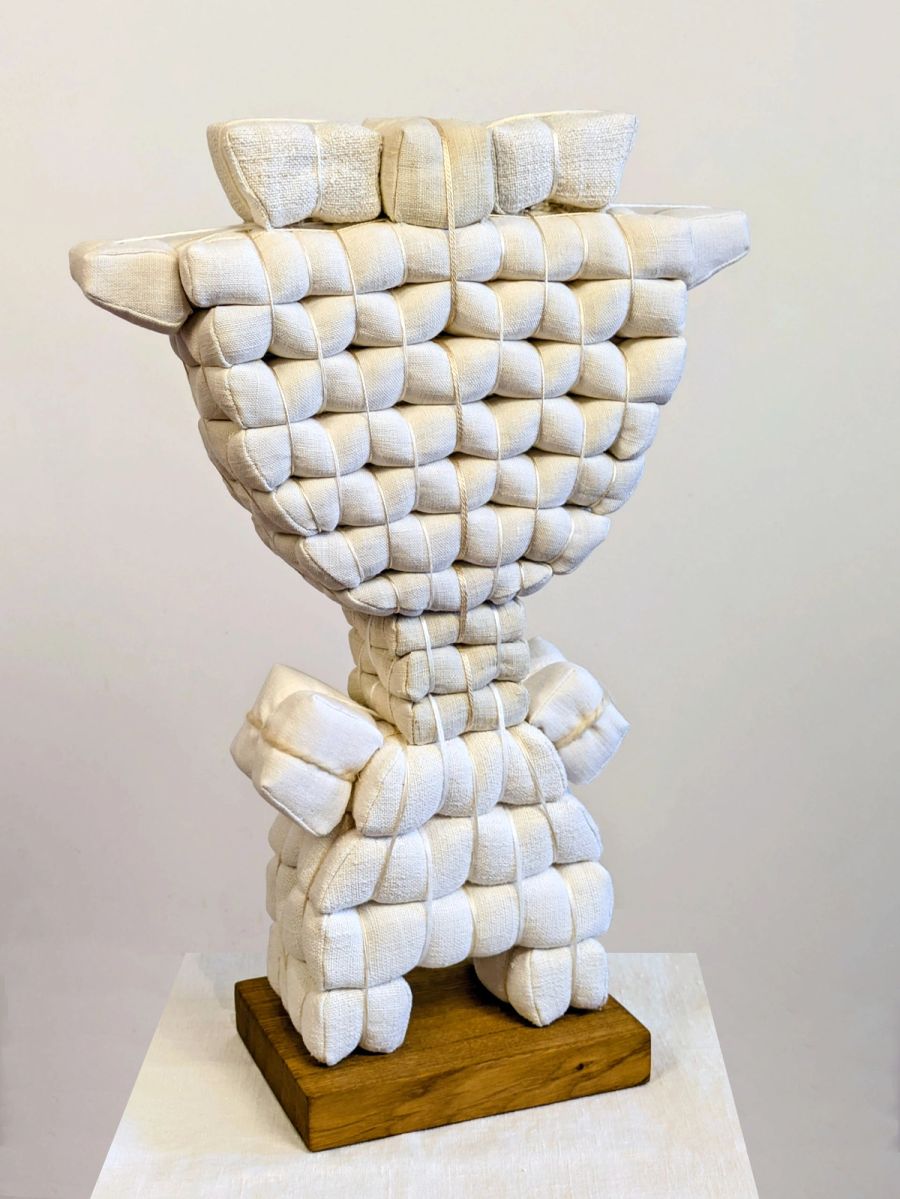
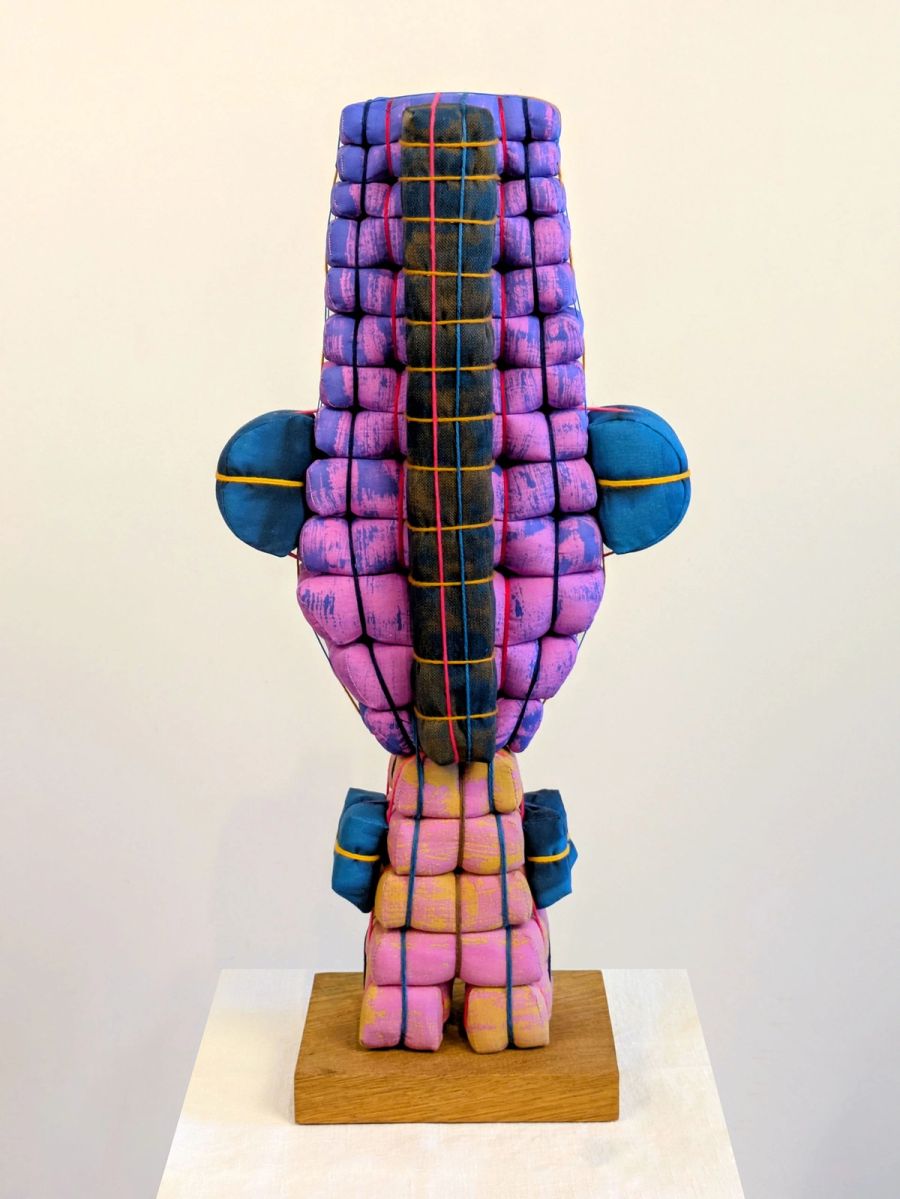
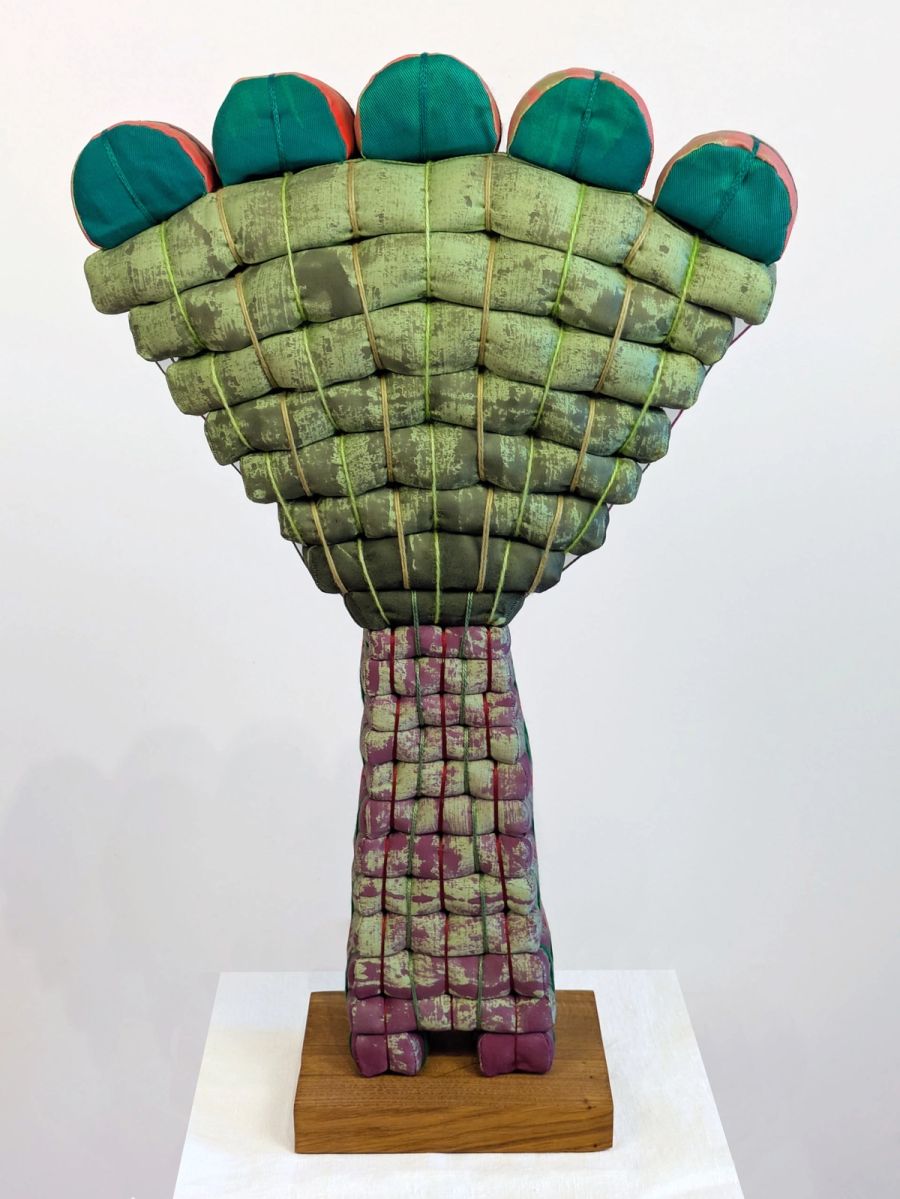
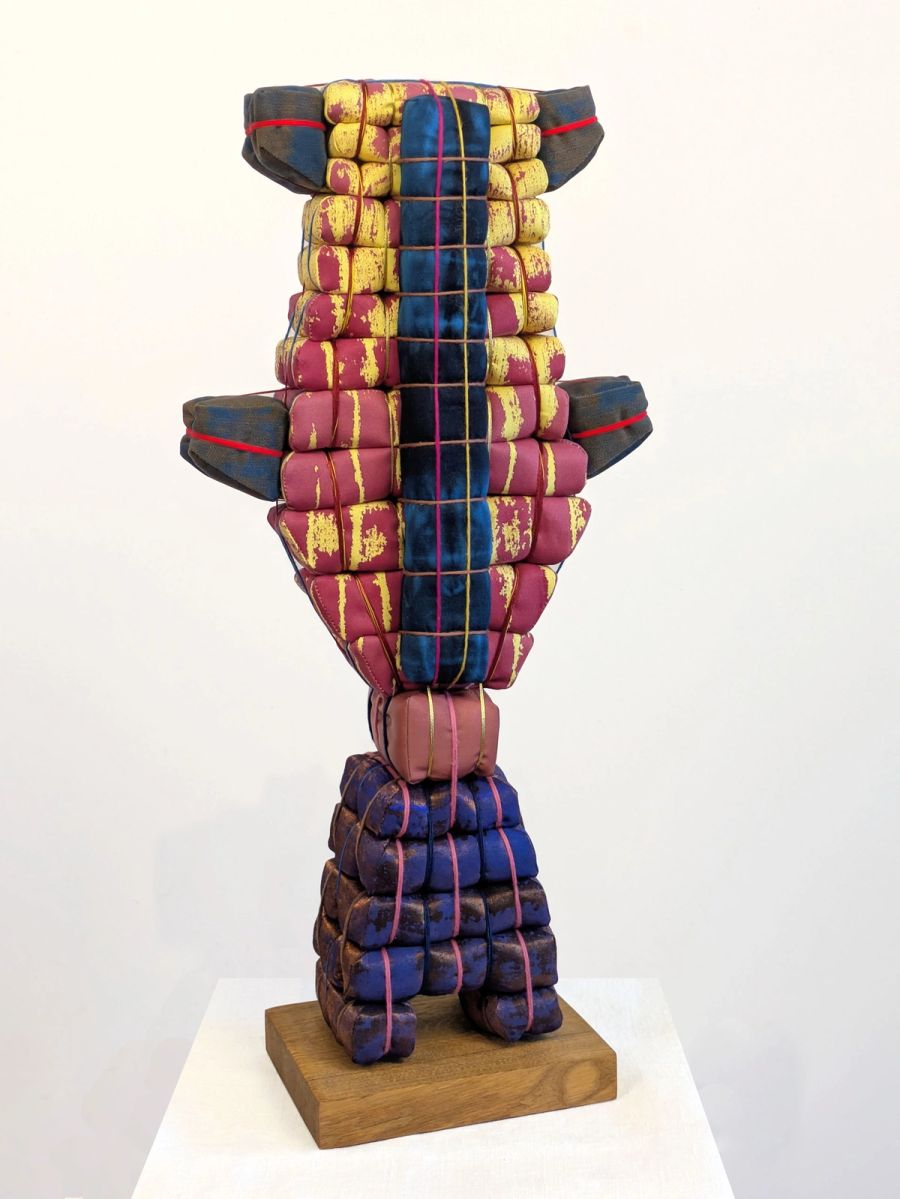
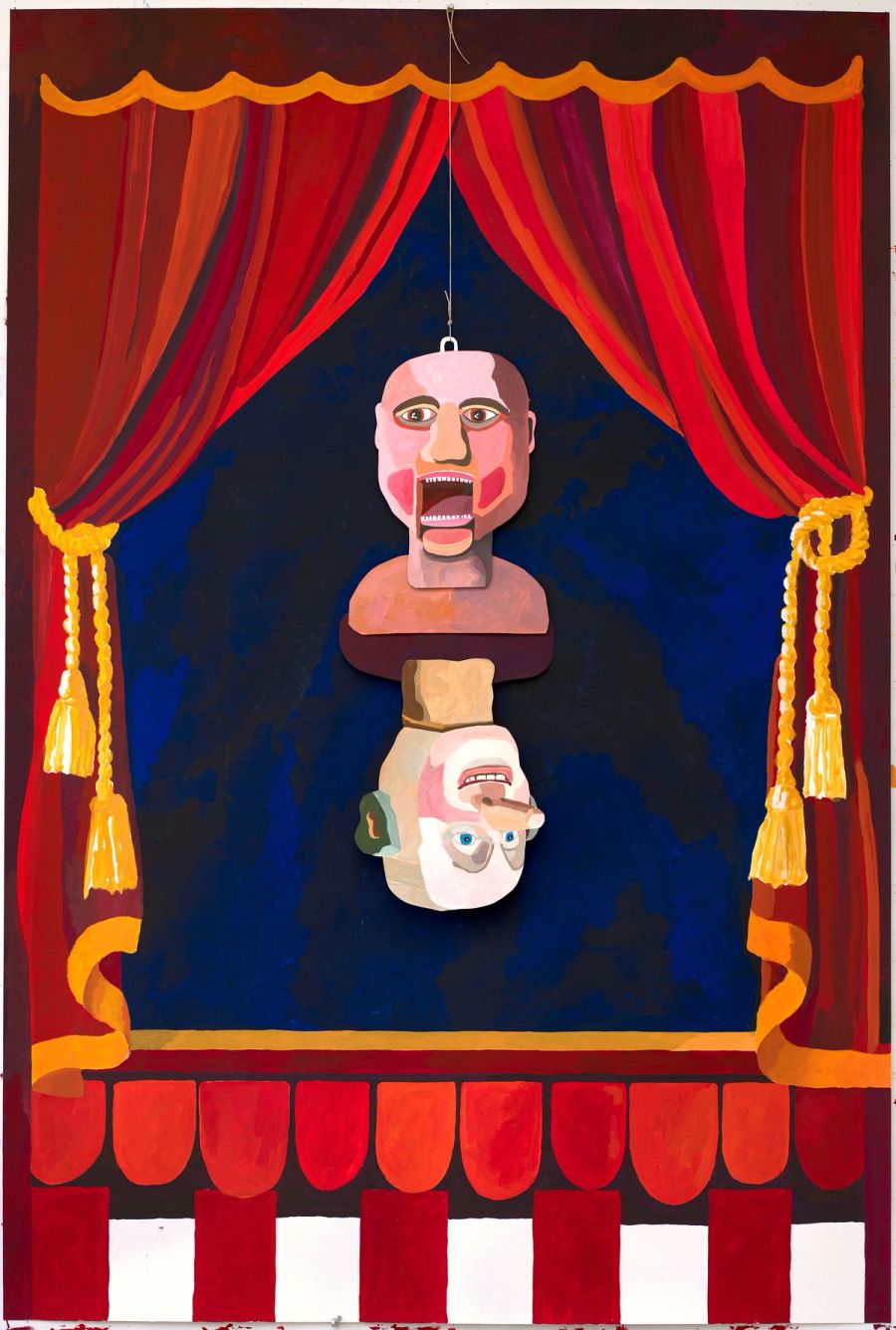
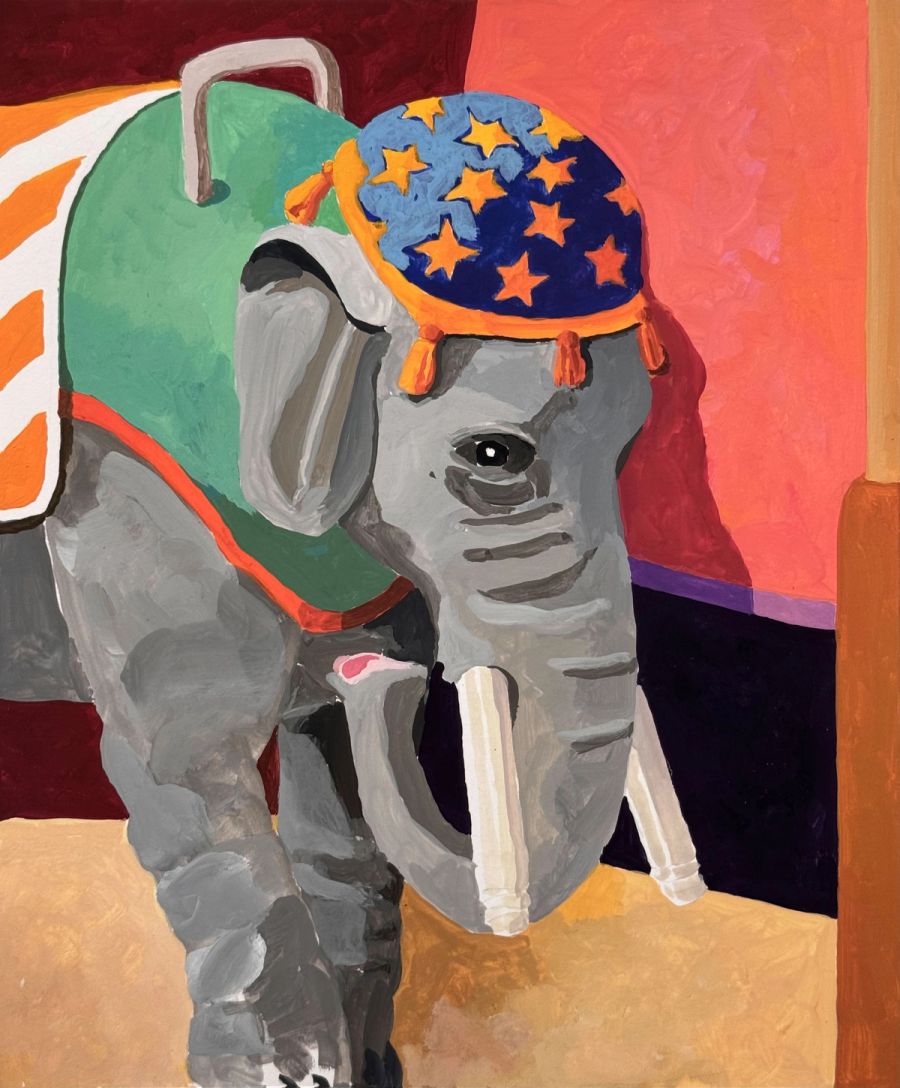
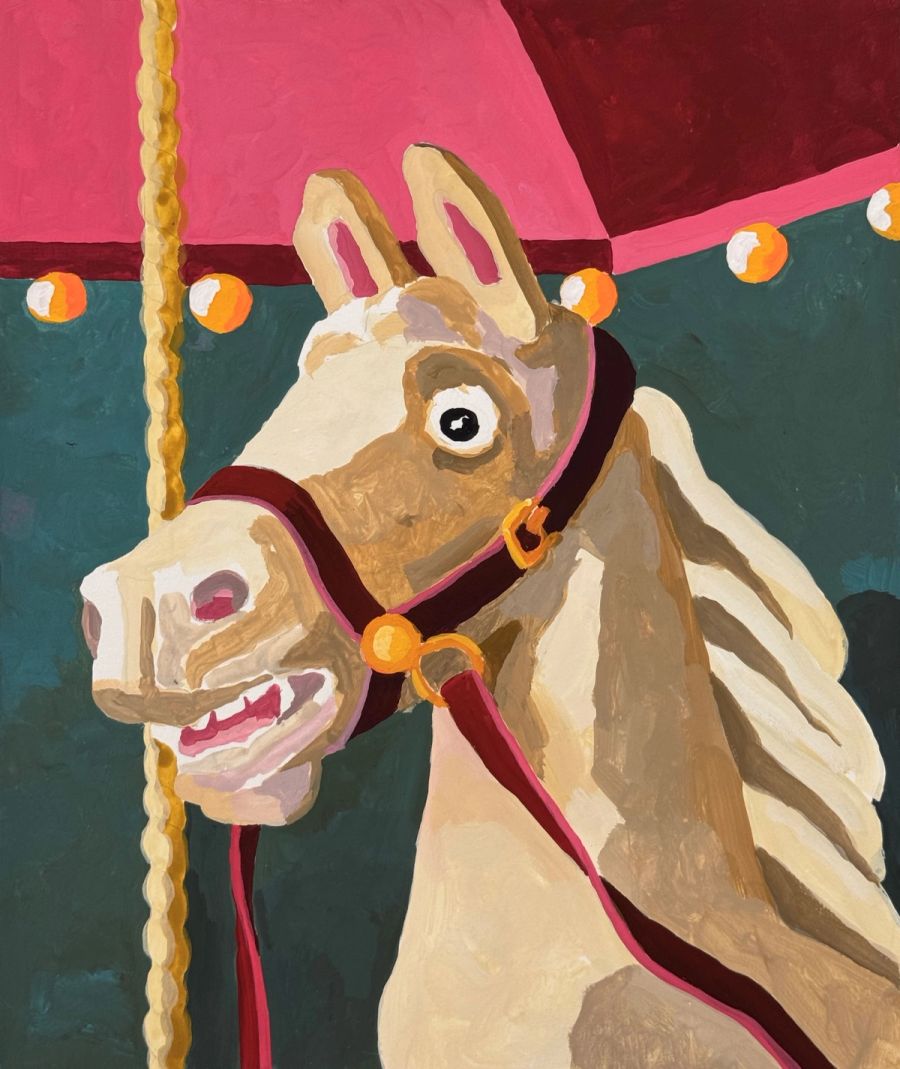
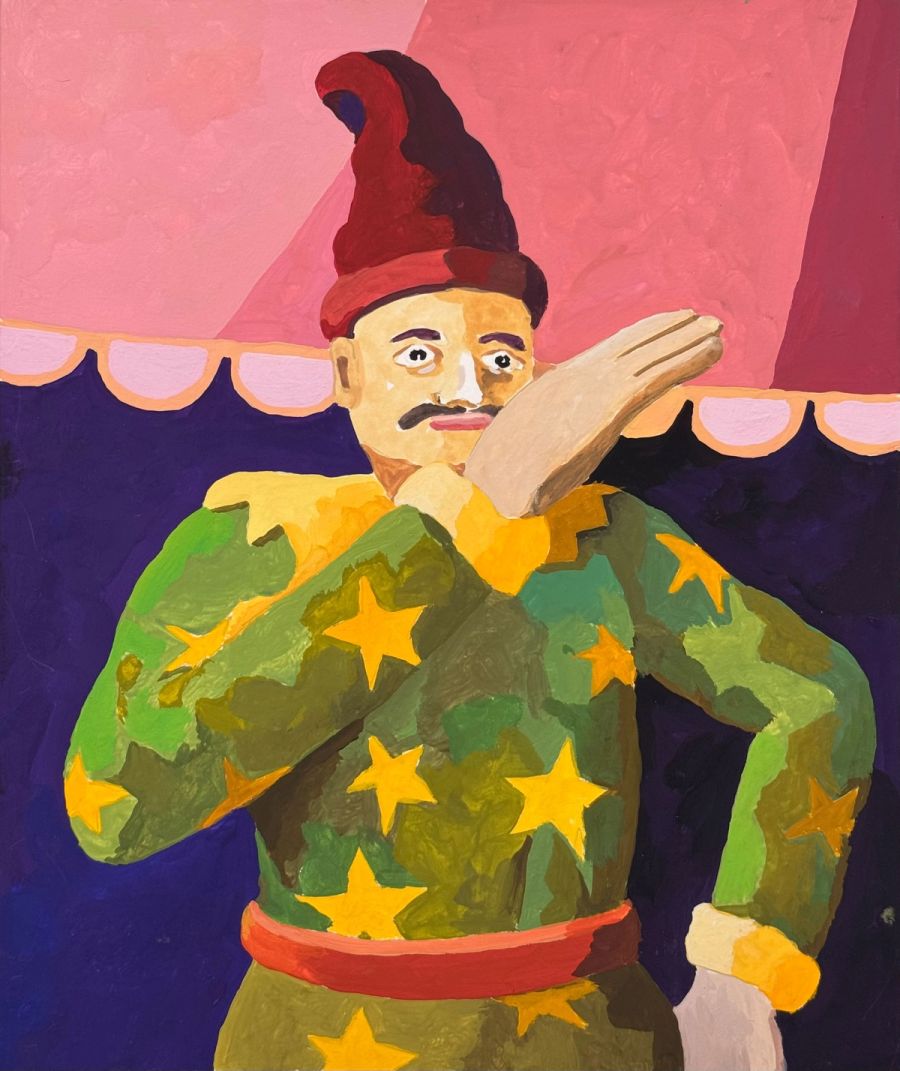
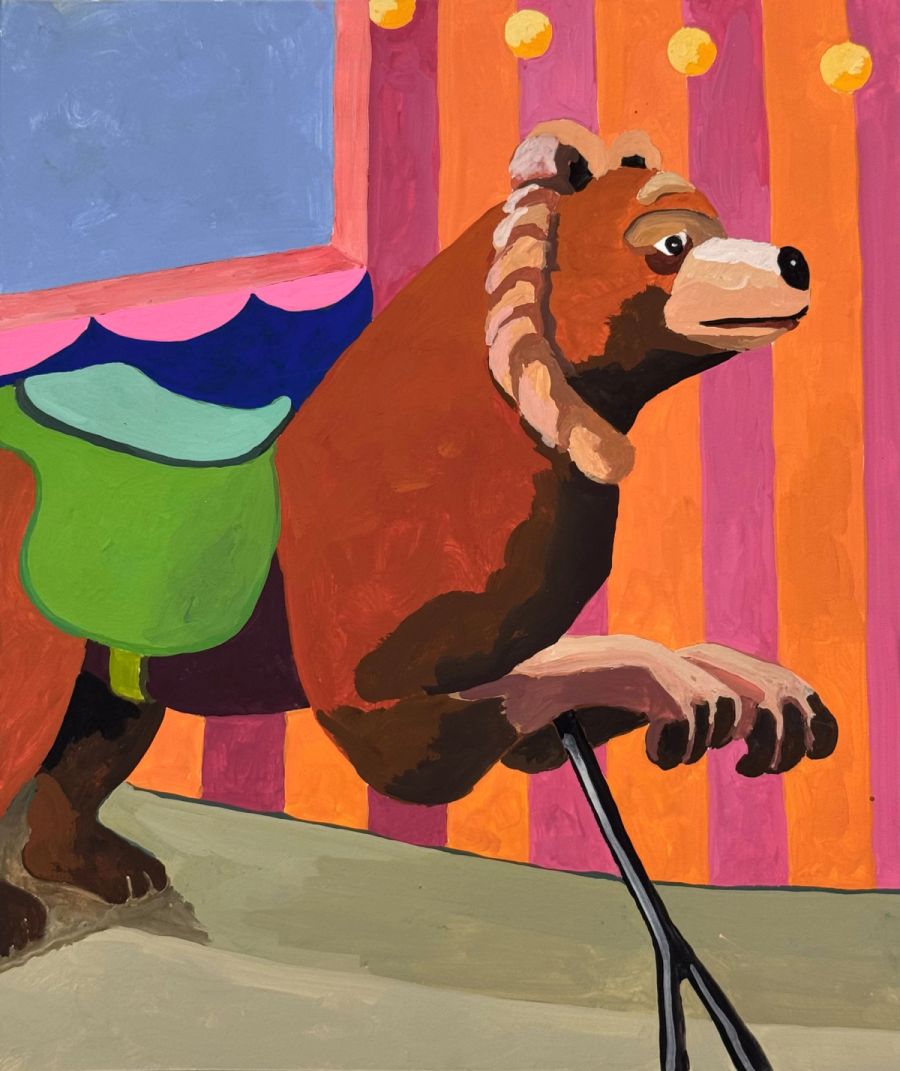
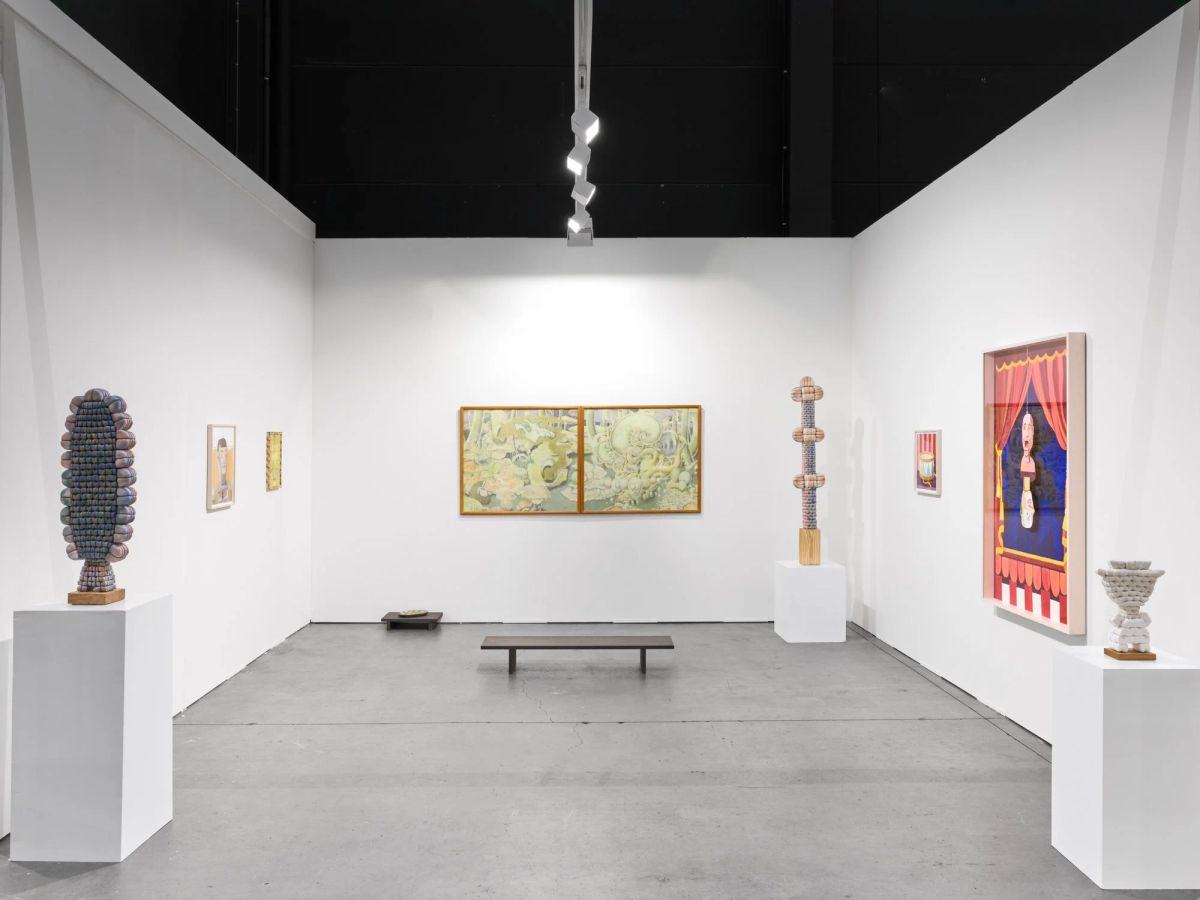
During Art Antwerp 2025, we will present a group exhibition featuring work by artists Fiona Lutjenhuis, Erik Mattijssen and Saar Scheerlings. At the fair, we will showcase an exciting combination of sculptures by Saar Scheerlings on matching pedestals, an installation by Fiona Lutjenhuis and work on paper by Erik Mattijssen.
About the artists
The work of Fiona Lutjenhuis (Zevenaar, NL, 1991) revolves around depicting and reinterpreting the religious ideologies she grew up with. During her childhood, she lived with her family in a village in North Brabant, where her parents joined a sect based on a mixture of theosophical ideas, esoteric cosmologies, stories about extraterrestrial life and the existence of supernatural life forms. Drawing on personal memories and archival material, she explores and transforms the ideological legacy of her childhood. Rather than a literal reconstruction, her work offers a poetic retelling: an attempt to make the unknown tangible, without the intention of judgement.
Saar Scheerlings (Eindhoven, NL, 1990) explores the meaning of cultural objects. Her art is an endless cycle of production, constantly susceptible to outside influences. It is a process like a trade route or port city where all kinds of previously unknown things can influence each other. For Saar, anything can be a starting point or a link to embark on a new path, such as a tea box lying around in the studio or a technique she has invented herself.
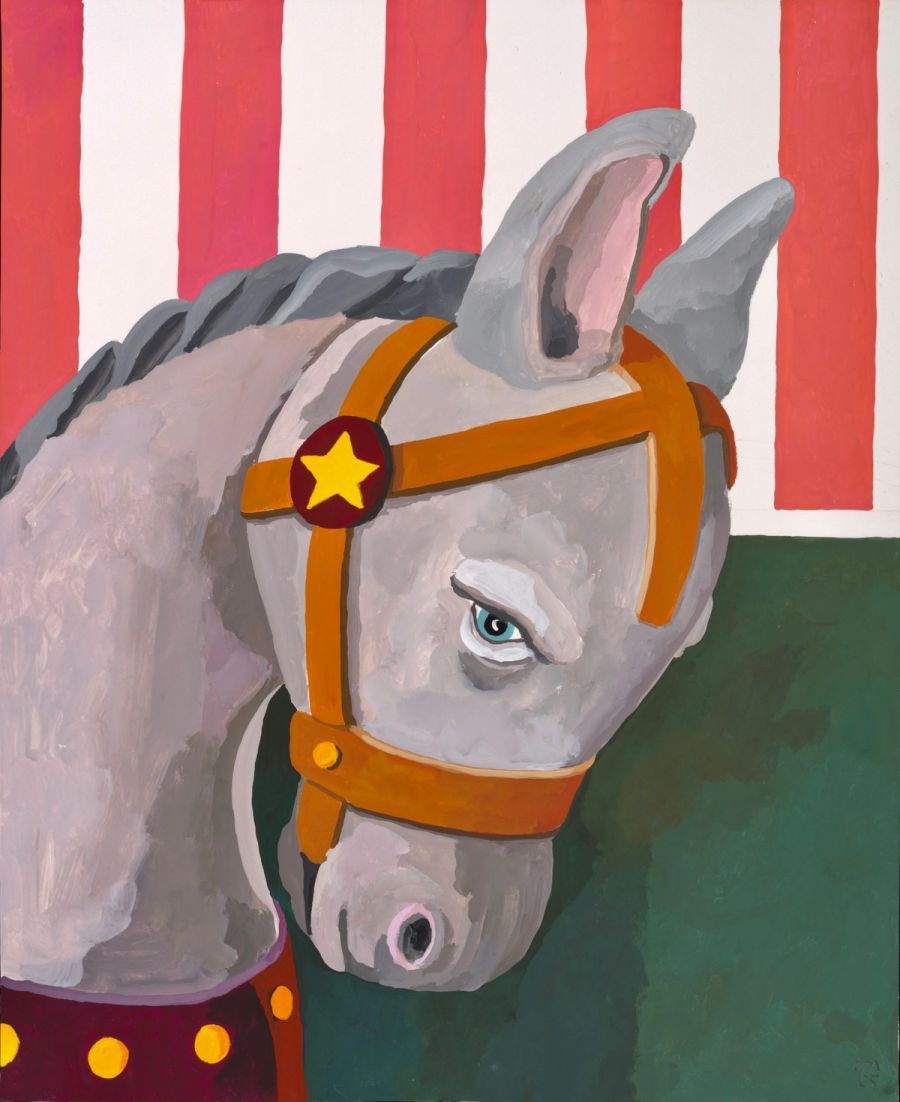
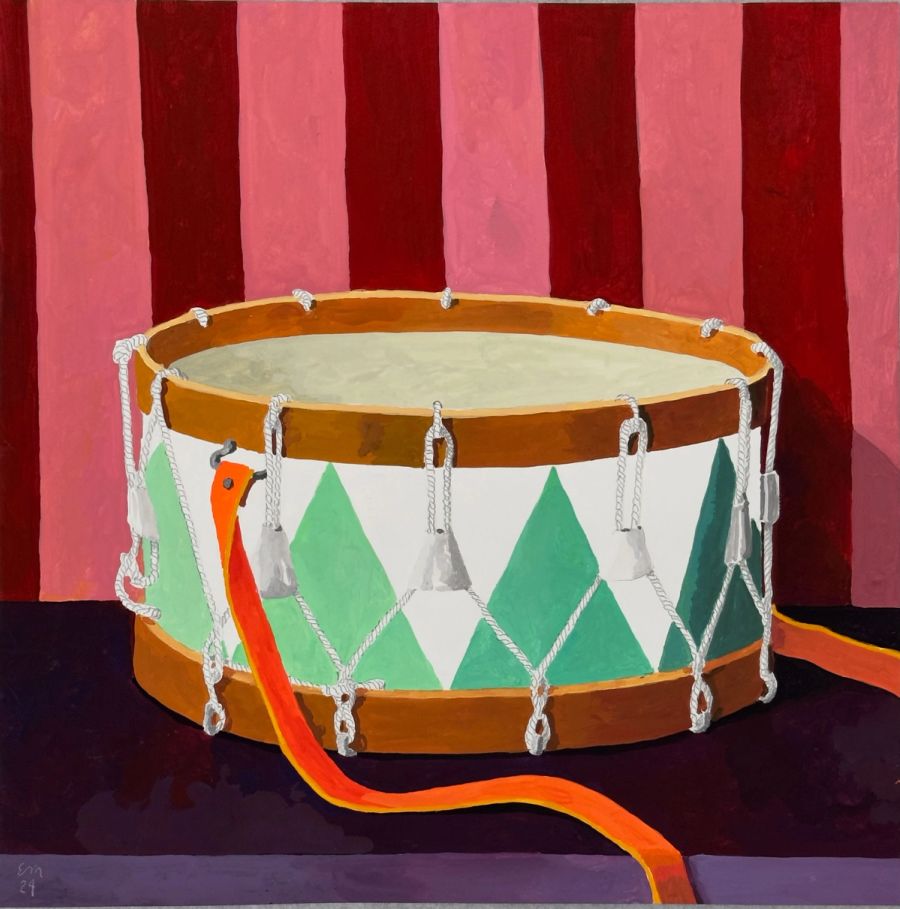
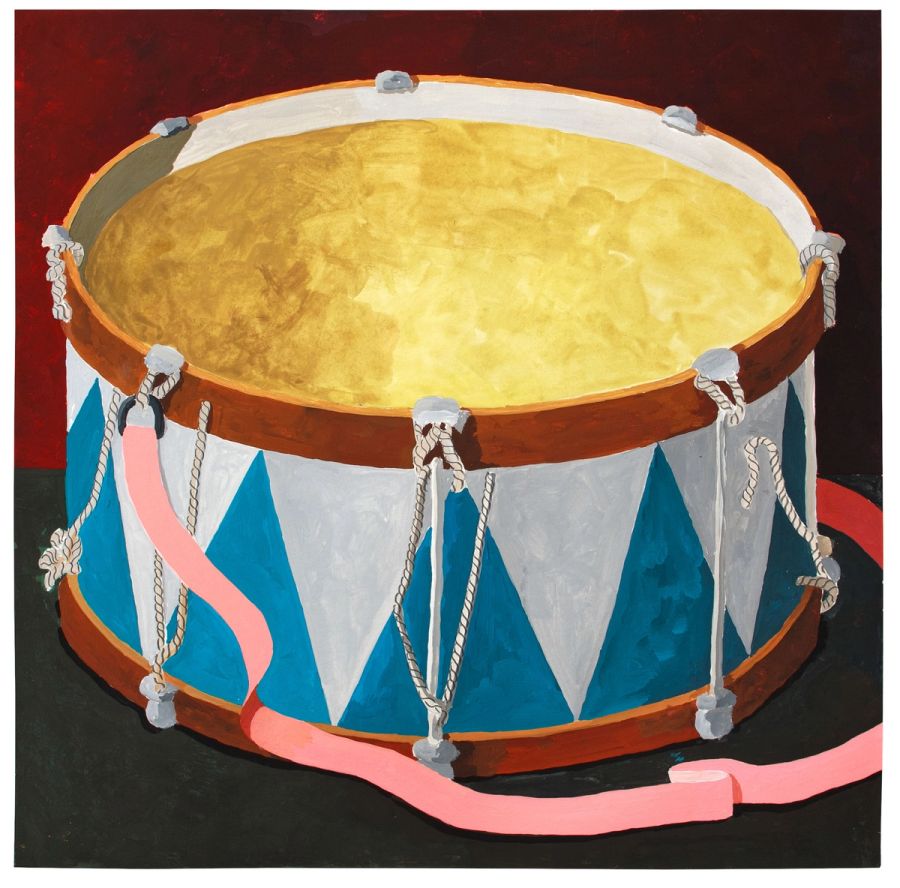
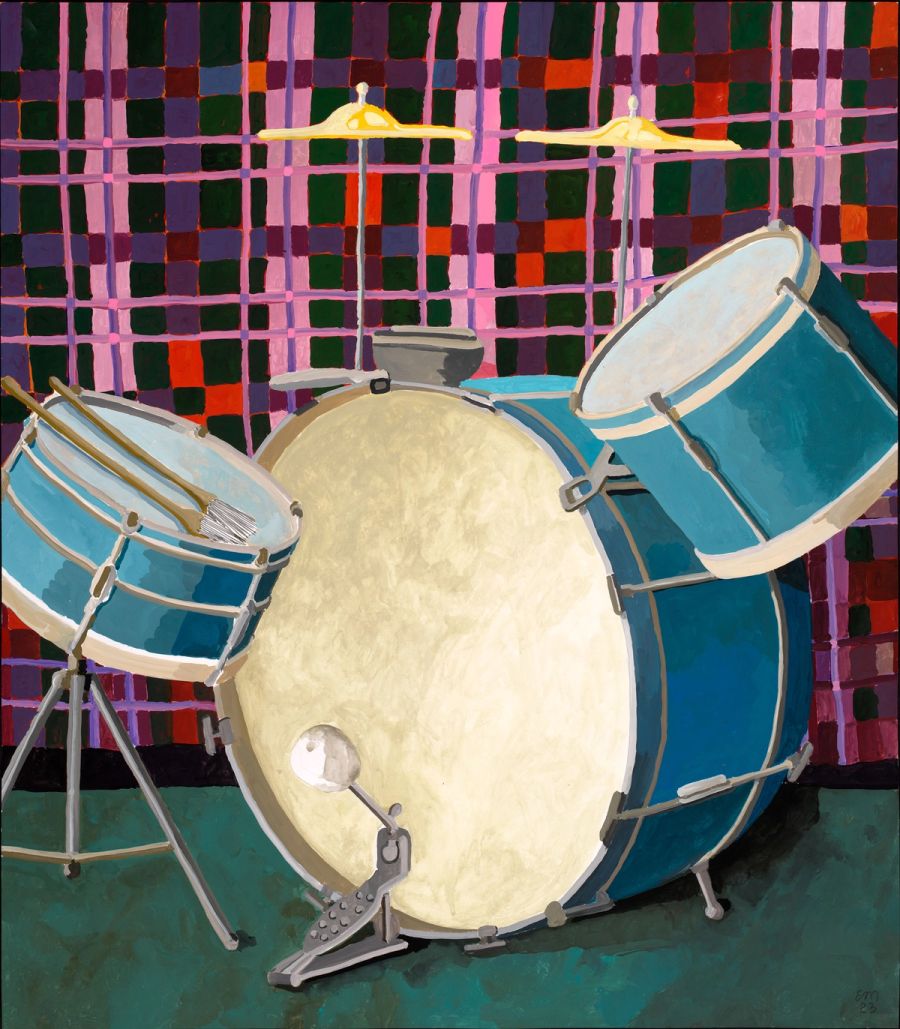
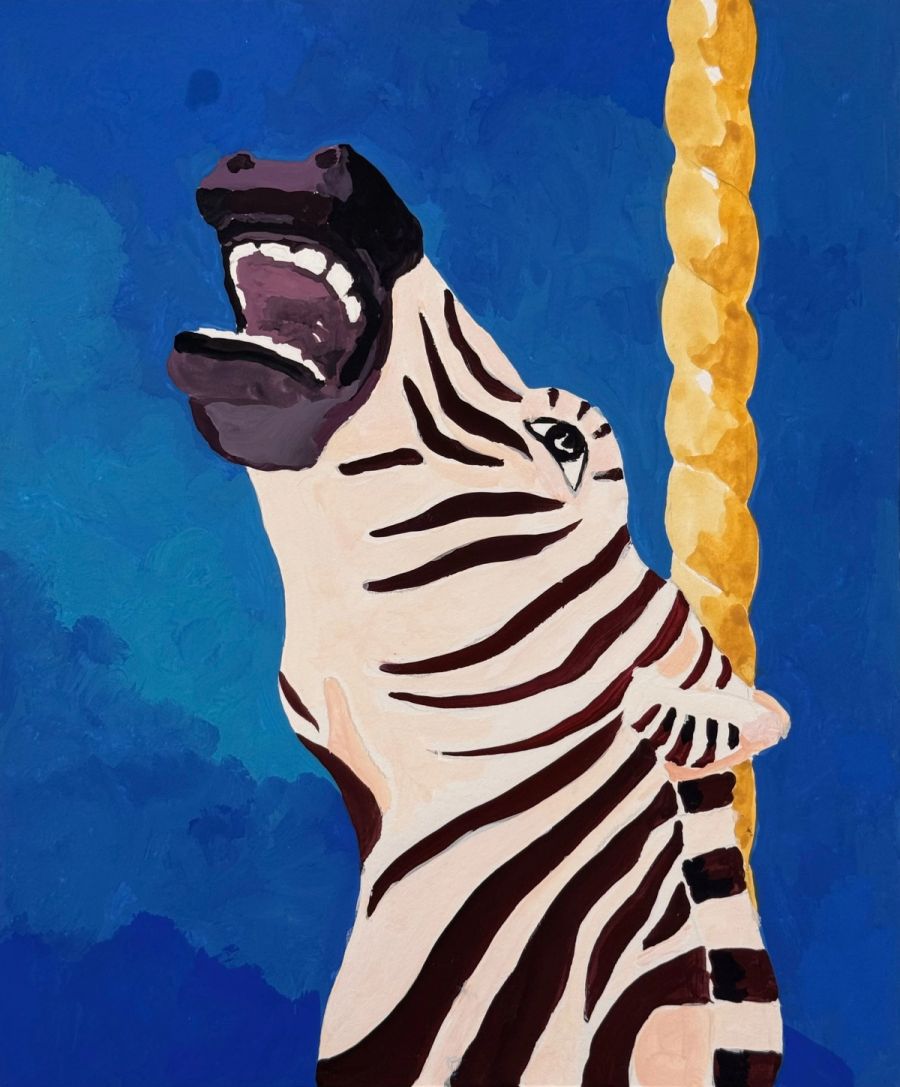
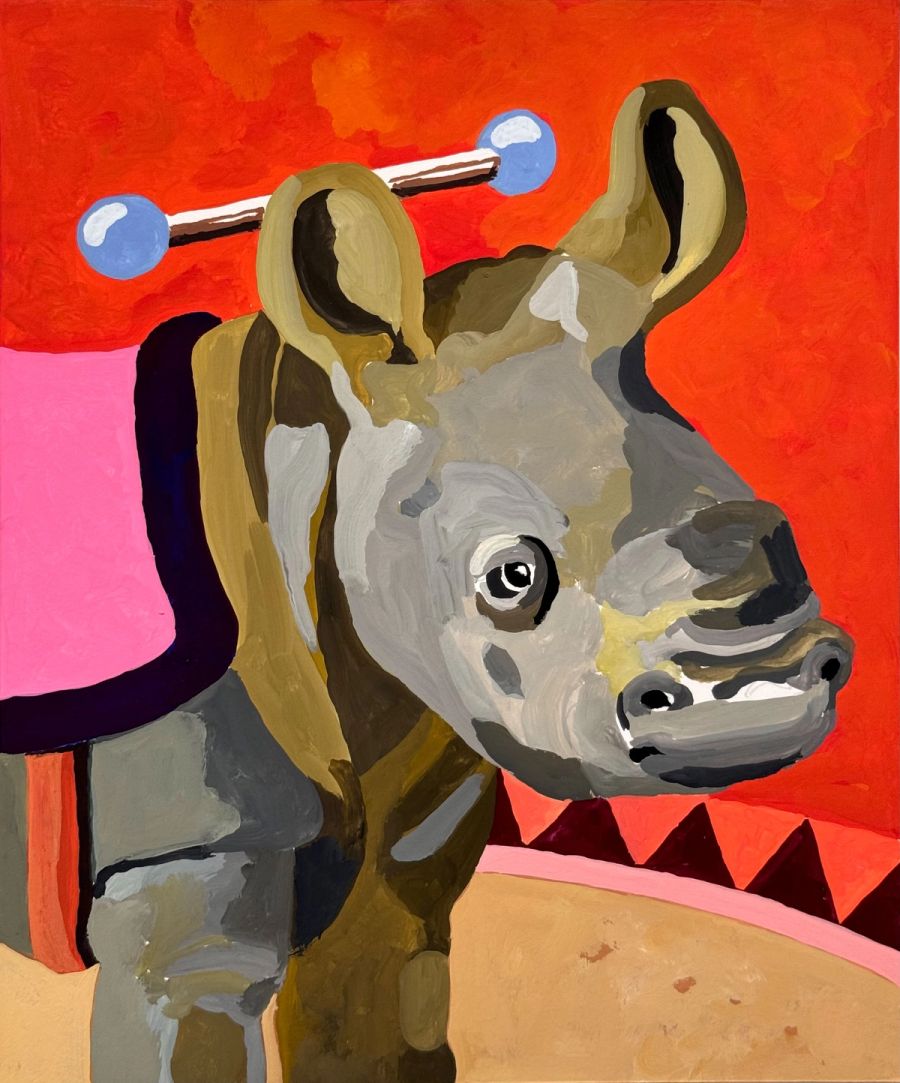
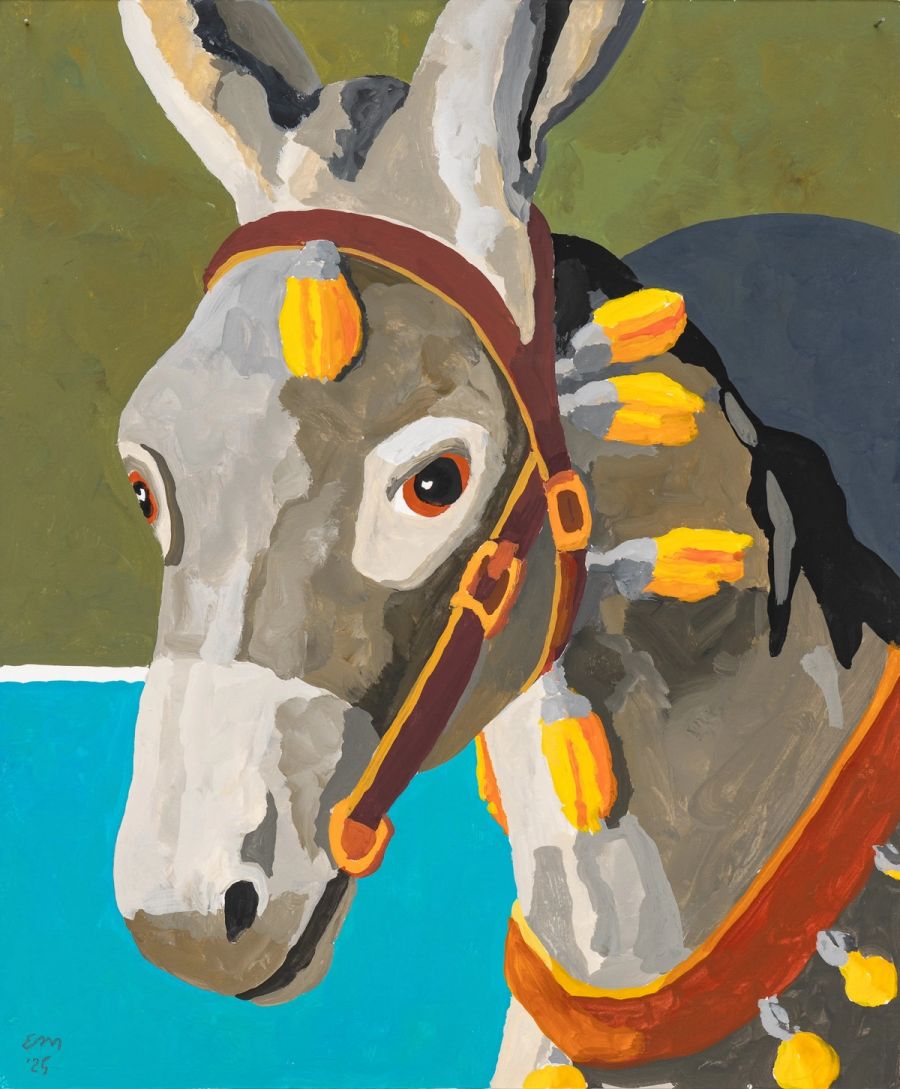
Plastic buckets, dolls, tin cans and furniture. They populate the scenes that artist Erik Mattijssen (Veenendaal, NL, 1957) builds in his drawings of pencil, gouache and pastel crayon. Like in a theatre, he tells stories, often set in interiors in which things take the leading role. People are absent. What happened there, the solidified life stories, thoughts and memories, are told in these tableaux vivants with props.
Our participation is supported by the Mondriaan Fund
Works
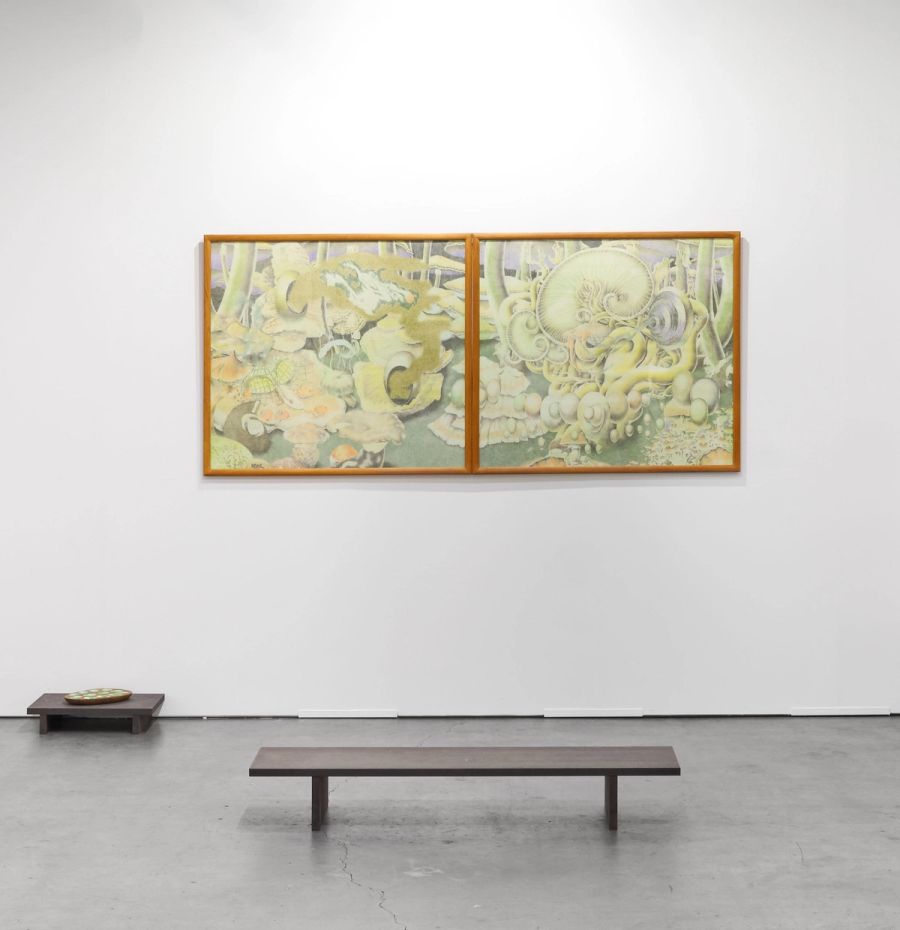
Fiona Lutjenhuis
total installation: framed diptych of wooden panels painted with oil, acrylics and casein, cherry wood meditation bench and altar piece
Sold
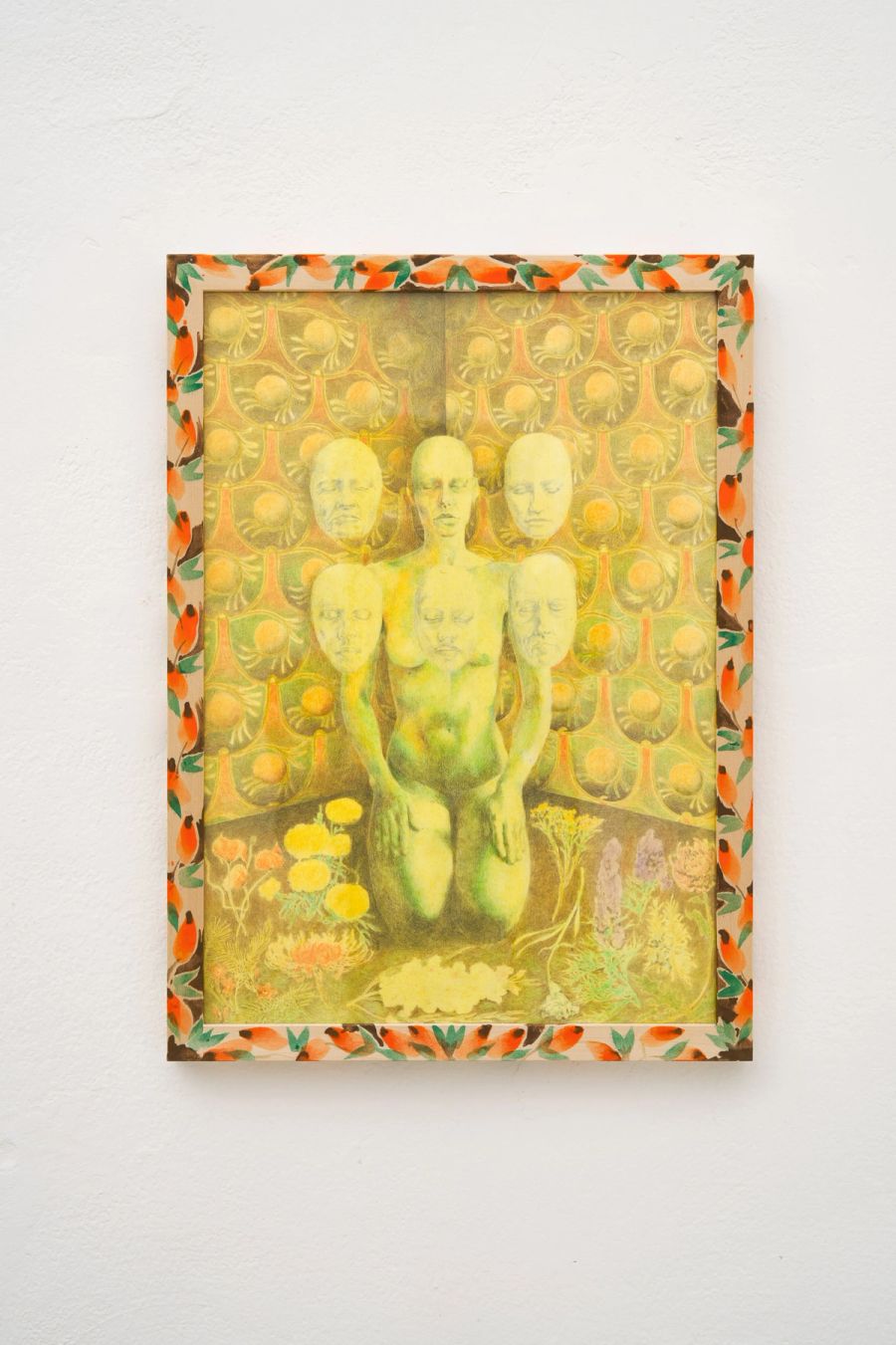
Fiona Lutjenhuis
colour pencil on cotton paper, casein and pigment wash, 42 x 29, 7 cm
Sold
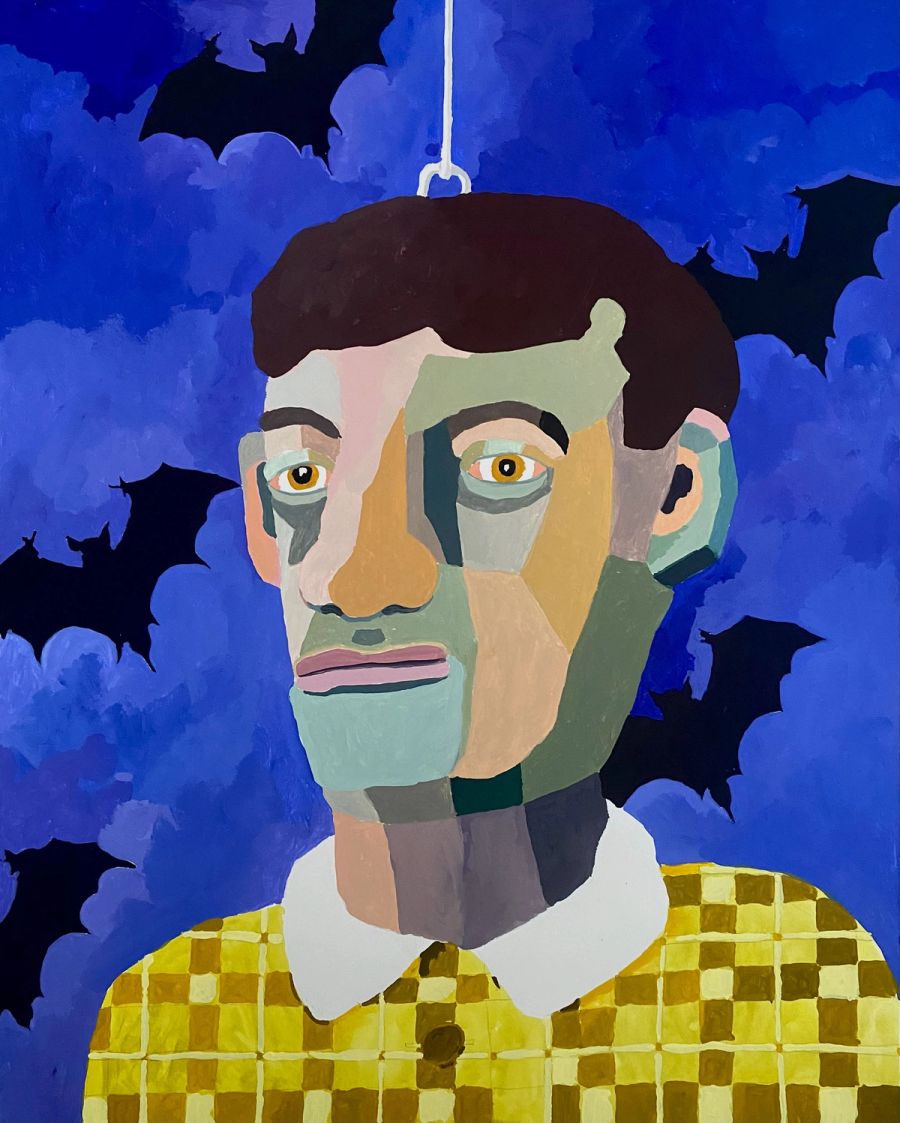
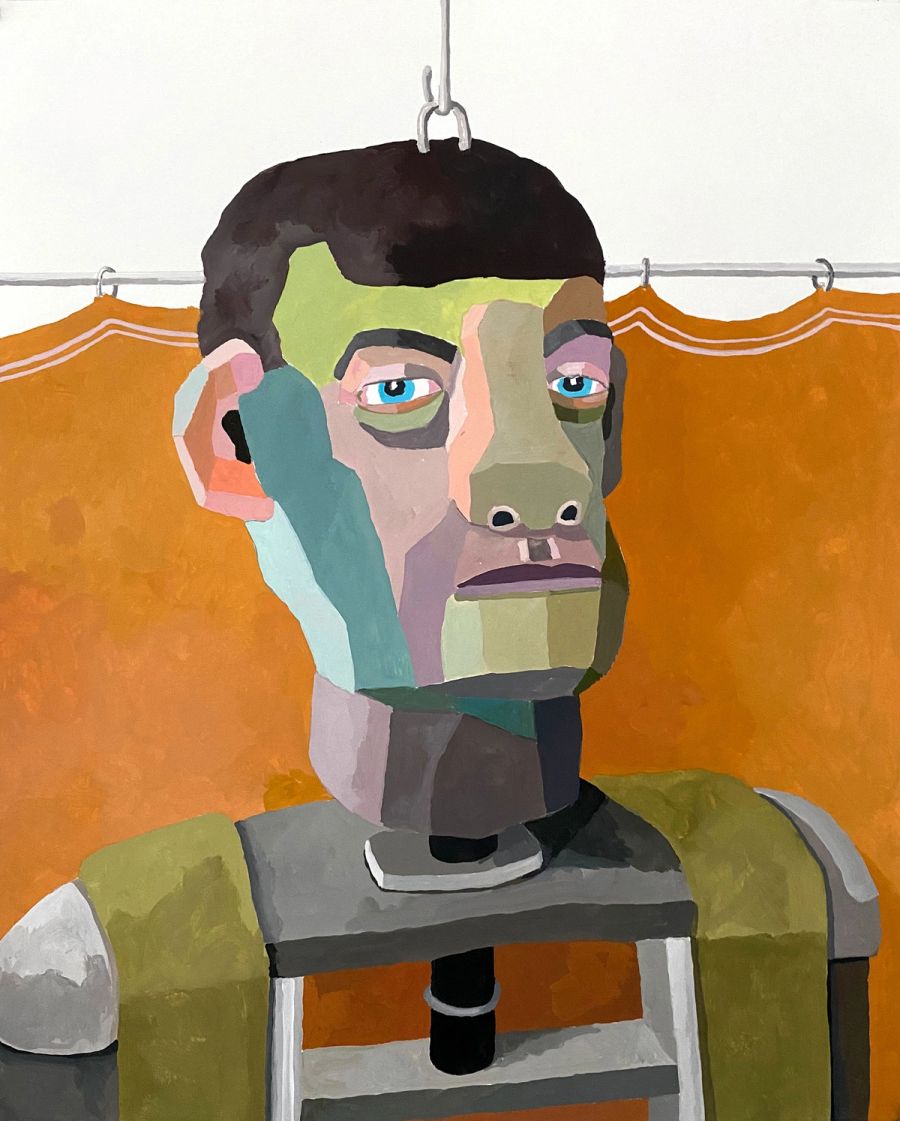
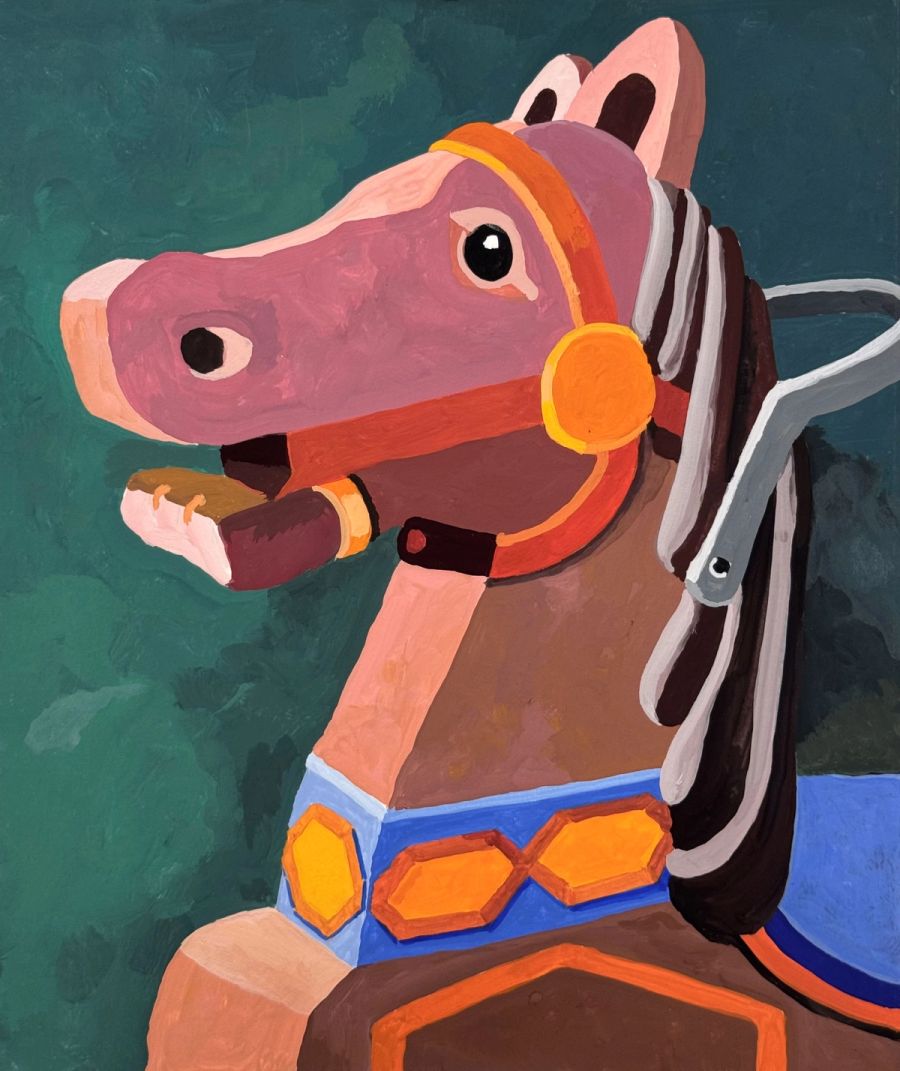
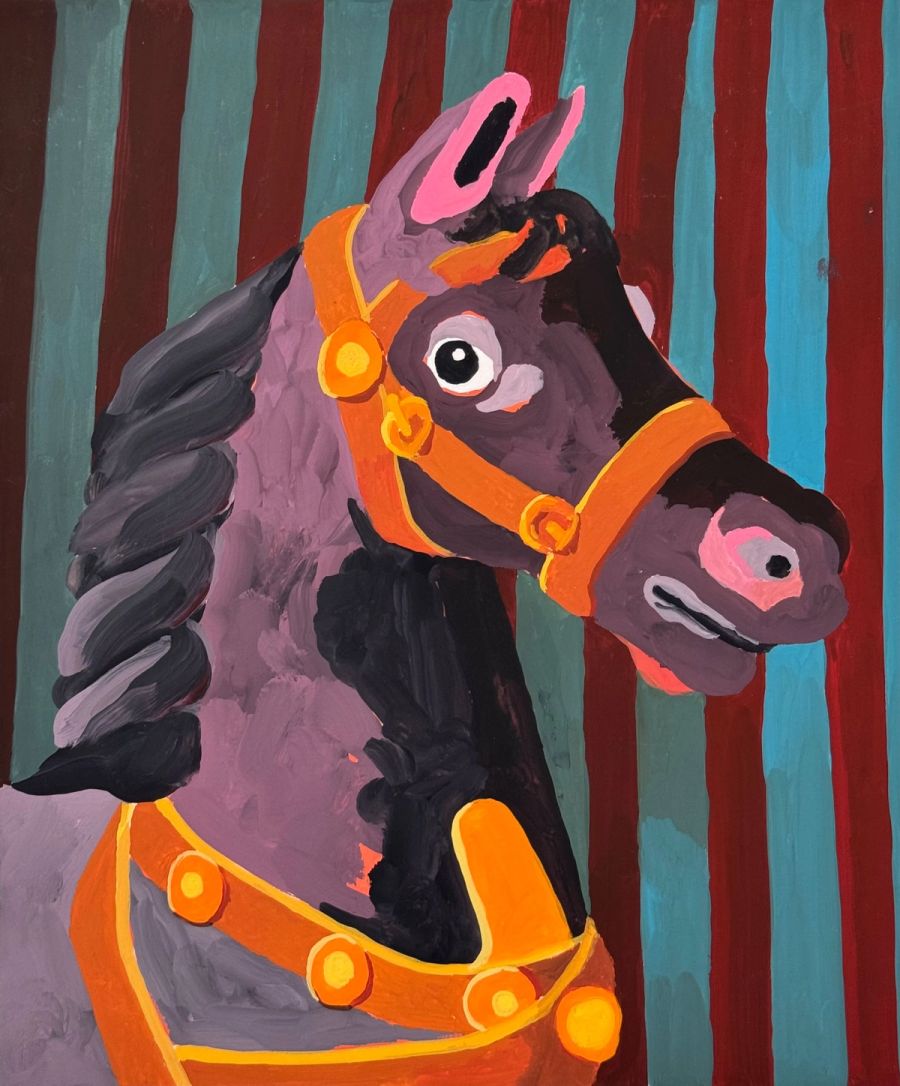
Installation views
Artists
Erik Mattijssen
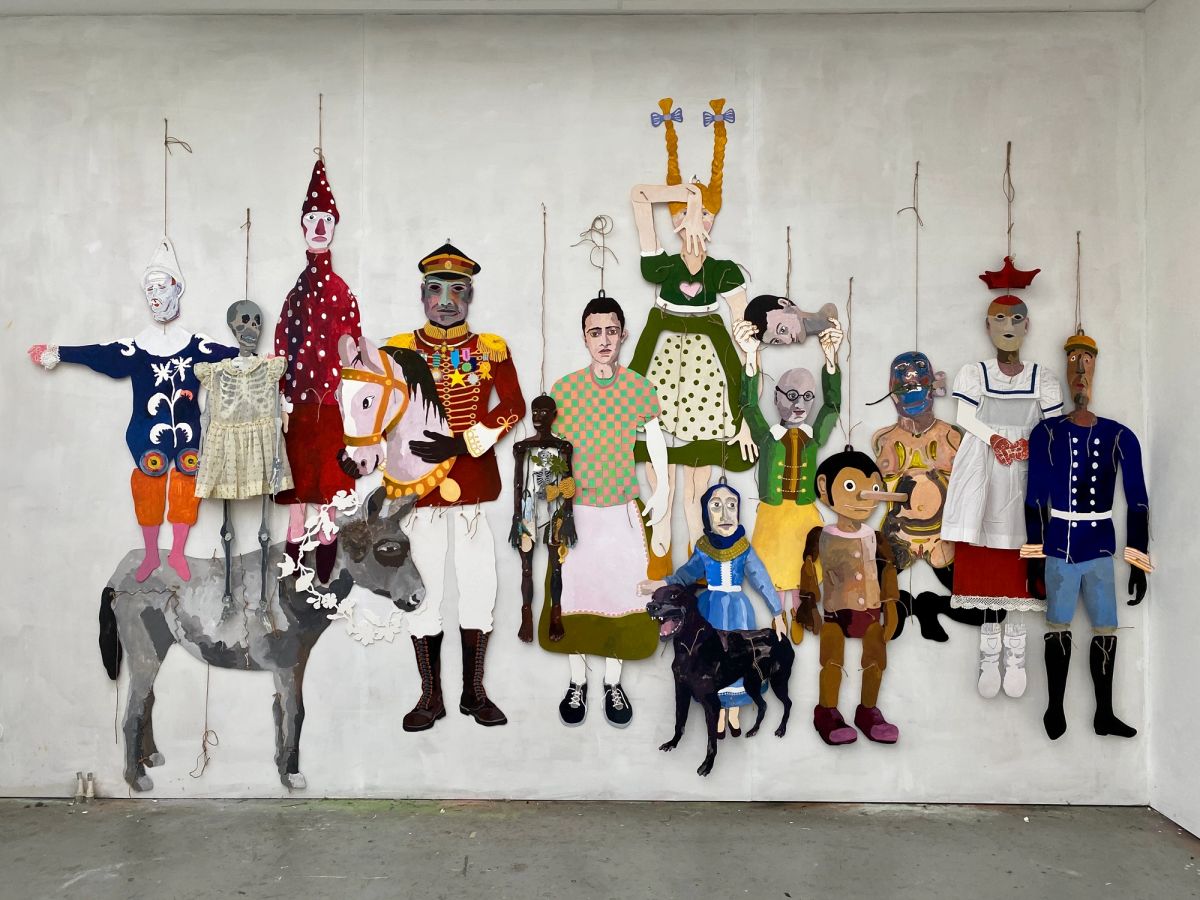
Plastic buckets, dolls, tin cans and furniture. They populate the scenes that artist Erik Mattijssen (Veenendaal, NL, 1957) builds in his drawings of pencil, gouache and pastel crayon. Like in a theatre, he tells stories, often set in interiors in which things take the leading role. People are absent. What happened there, the solidified life stories, thoughts and memories, are told in these tableaux vivants with props. The artist fills his scenes - with great attention to detail - with objects, in an intuitive, collage-like manner. He works from an image archive he collected over the years. He owns folders full of images of flowers, toys, patterns and the canned goods his father sold as a salesman. Experiences from the many foreign residences where he stays also end up in his work. The colours of Kolkata, façade advertisements, tin cans with plants in Suriname and a grocery shop in Paris enrich his subjects and style. The work conveys layered, sometimes contradictory feelings to the viewer, supported by his striking use of colour. Sometimes cheerful, sometimes melancholic; for a wooden stool or suitcase can conceal a faltering ambition. Loneliness is also an important theme, reflected in abandoned beds, cuddly toys and dolls that don't get love (anymore). Mattijssen keeps memories alive and taps into layers of our subconscious. Like the smell of madeleines Marcel Proust wrote about, that triggered a flow of memories. Painted and drawn on paper, his objects take you back to a lost time. Mattijssen cradles us back and forth between recognition and alienation. Through abrupt cuts and playful perspective, bold colour combinations and through what we see. For why is that hippo hanging on a string above the mantelpiece? While looking at his work, you are left wondering. According to him, the highest achievement. Erik Mattijssen has had solo exhibitions at museums such as Kunsthal Rotterdam, Stedelijk Museum Schiedam, Jan Cunen Oss and in 2025 at Museum More. His work is included in prestigious international museum, corporate and private collections, including those of the Stedelijk Museum Amsterdam, AkzoNobel, the DELA, the UMC-Utrecht and the VandenBroek Foundation. He made in situ work for public places such as the Antoni van Leeuwenhoek Hospital, Amsterdam and won the NN Art Award. A committed and passionate teacher at the Gerrit Rietveld Academy, Mattijssen trained a generation of young artists.
More about Erik Mattijssen →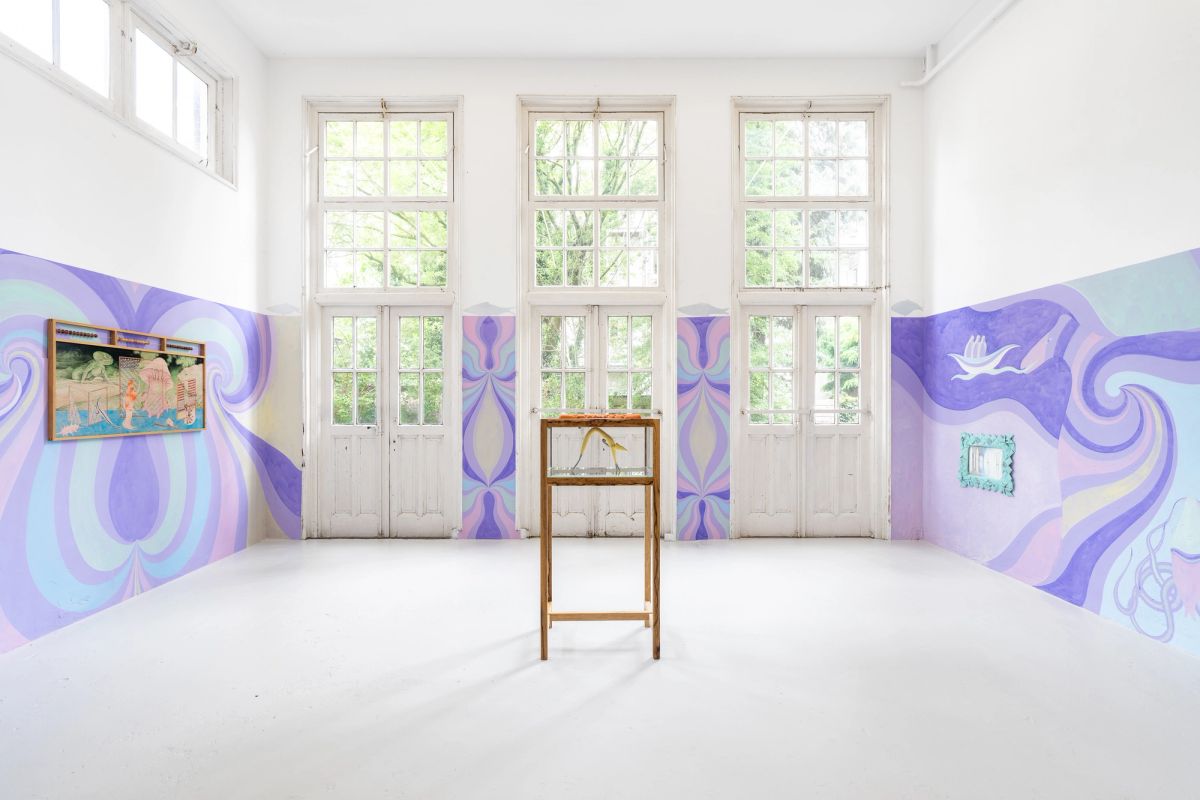
Fiona Lutjenhuis
The work of Fiona Lutjenhuis (Zevenaar, NL, 1991) revolves around depicting and reinterpreting the religious ideologies she grew up with. During her childhood, she lived with her family in a village in North Brabant, where her parents joined a sect based on a mixture of theosophical ideas, esoteric cosmologies, stories about extraterrestrial life and the existence of supernatural life forms. Drawing on personal memories and archival material, she explores and transforms the ideological legacy of her childhood. Rather than a literal reconstruction, her work offers a poetic retelling: an attempt to make the unknown tangible, without the intention of judgement. Fascinated by religious art, Lutjenhuis builds and paints folding screens as carriers of stories: mobile, vision-like paintings that function both sculpturally and narratively. She also bakes bread in various shapes, a ritual that makes her feel secure but also has religious connotations: bread is the symbol of life, sacrifice and providence. She also makes dolls that represent the entities that regularly appeared in the sect, whose visual language is borrowed from Eastern cultures. Other recurring elements in her presentations, which often resemble installations, are murals and wind chimes. The stories Lutjenhuis tells are full of references that touch the viewer on different levels. She also uses humour in her work, a component that has helped her to cope with her demagogic upbringing. Lutjenhuis uses her unusual childhood to view contemporary discourse through a theosophical lens. In recent years, she has immersed herself in the archives of the sect she grew up with, as well as in the broader religious movements that have been blended or distorted in that group's ideology. These are far removed from the Western world, which in its pursuit of rationality has distanced itself from nature. The individual reigns supreme: humans have placed themselves above all else, with the inevitable consequence of abusing the life around us. Lutjenhuis makes a plea for opening up our psyche, so that we can allow the magical elements of nature to enter and become part of our human actions. This is by no means in the context of proselytising: it is simply a matter of thinking in a deeper, more empathetic layer of consciousness. Lutjenhuis's starting position is unique: the artist possesses a rare knowledge and lived experience of spiritual and supernatural thinking, framed by a self-taught, balanced, autonomous view of the world around her. Art is a gateway to another reality for her, offering her joy and new perspectives. She wants to offer this to her audience as well. With her art, Lutjenhuis takes the viewer into a world that makes the invisible visible. Fiona Lutjenhuis lives and works in Amsterdam. She studied at ArtEZ University of the Arts, Arnhem (2010-2014) and was a resident at the Rijksakademie in Amsterdam from 2022 to 2024. In 2024, she was nominated for the Scheffer Art Prize, in 2025 for the Prix de Rome and she won the NN Art Award in 2026. She has exhibited in various Biennales, museums and project spaces, such as Stedelijk Museum Amsterdam, Gwangjung Biennale, 1646, H3H Biennale, Drawing Centre Diepenheim, Noordbrabants Museum and Kunsthal Rotterdam.
More about Fiona Lutjenhuis →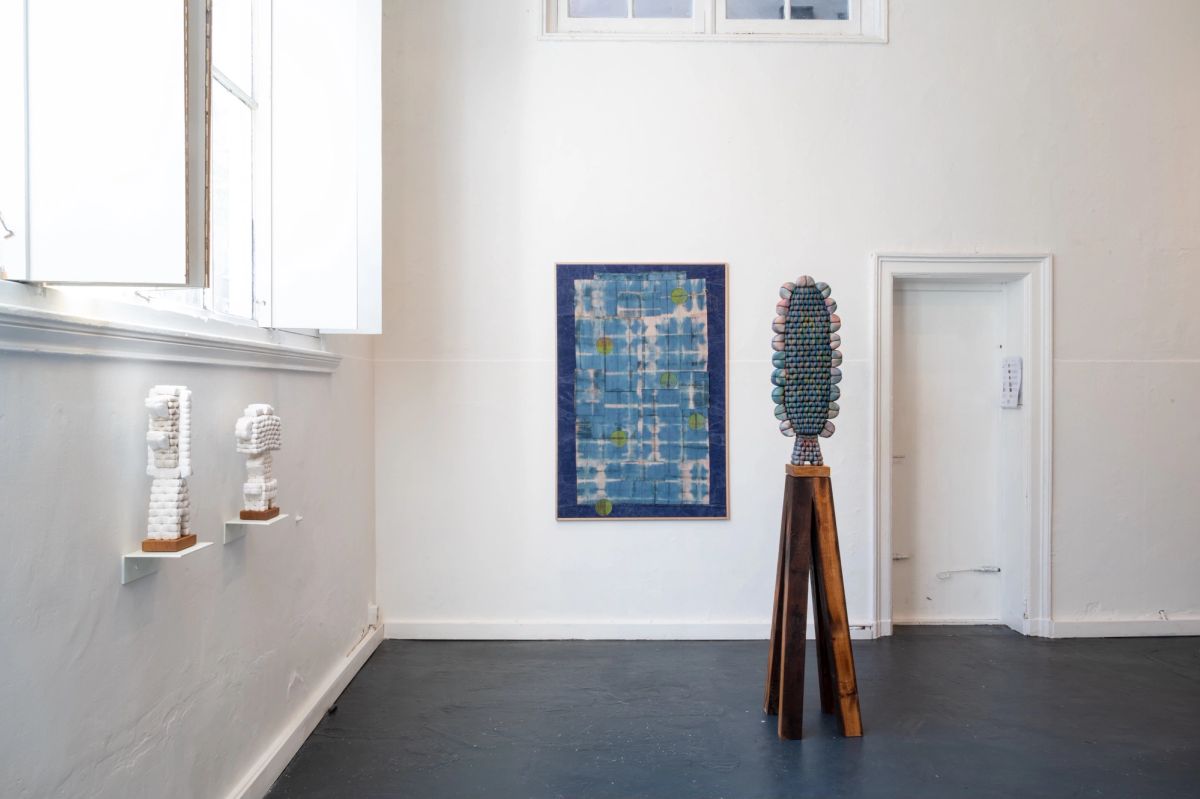
Saar Scheerlings
Born in Eindhoven in 1990, Saar Scheerlings embarked on her artistic journey after studying at the Design Academy Eindhoven and gaining experience as a chef and theater designer. Scheerlings mixes the disciplines of art, design and craft to find processes that give rise to new types and expressions. Her work includes large ceramic vessels that serve as painted maps, decanters that seem unwilling to pour, paintings that resemble fabrics and soft monumental sculptures. For her, a medium is not defined: she prefers to create her own playing field and associated rules. A great interest in daily life probably comes from her education in design, but she is not very interested in the way products are industrially designed, made and used. She prefers to see forms as intermediate phases of a creative process, a game, a tradition, a ritual, a culinary dish. It is the commitment to this process that gives objects meaning. Saars work is often triggered by the beauty and dedication of old materials like the antique linens she finds at garage sales in the French countryside where she lives. With a laborious process of sculpting, cutting, sewing and weaving she breathes new life into these materials, transforming them into her monumental talisman sculptures. Weaving is not only a technique for Saar, it is a metaphor for her entire work. She sees her oeuvre as an expanding structure. She not only creates work, she works on her own culture. The work of Saar Scheerlings has been shown in various international galleries and museums including CoBrA Museum, Design Museum Gent, Hanwha Galleria Seoul, Tripostal Lille, Galerie Fleur & Wouter, Valerius Gallery, HAGD Contemporary, De Nederlandsche Bank, Garage Rotterdam and at Palais de Tokyo, Paris, as a finalist for the prestigious Loewe Foundation Craft Prize.
More about Saar Scheerlings →