16 – 19 May 2024
Dodi Espinosa, Natacha Mankowski
Ballroom Project 2024
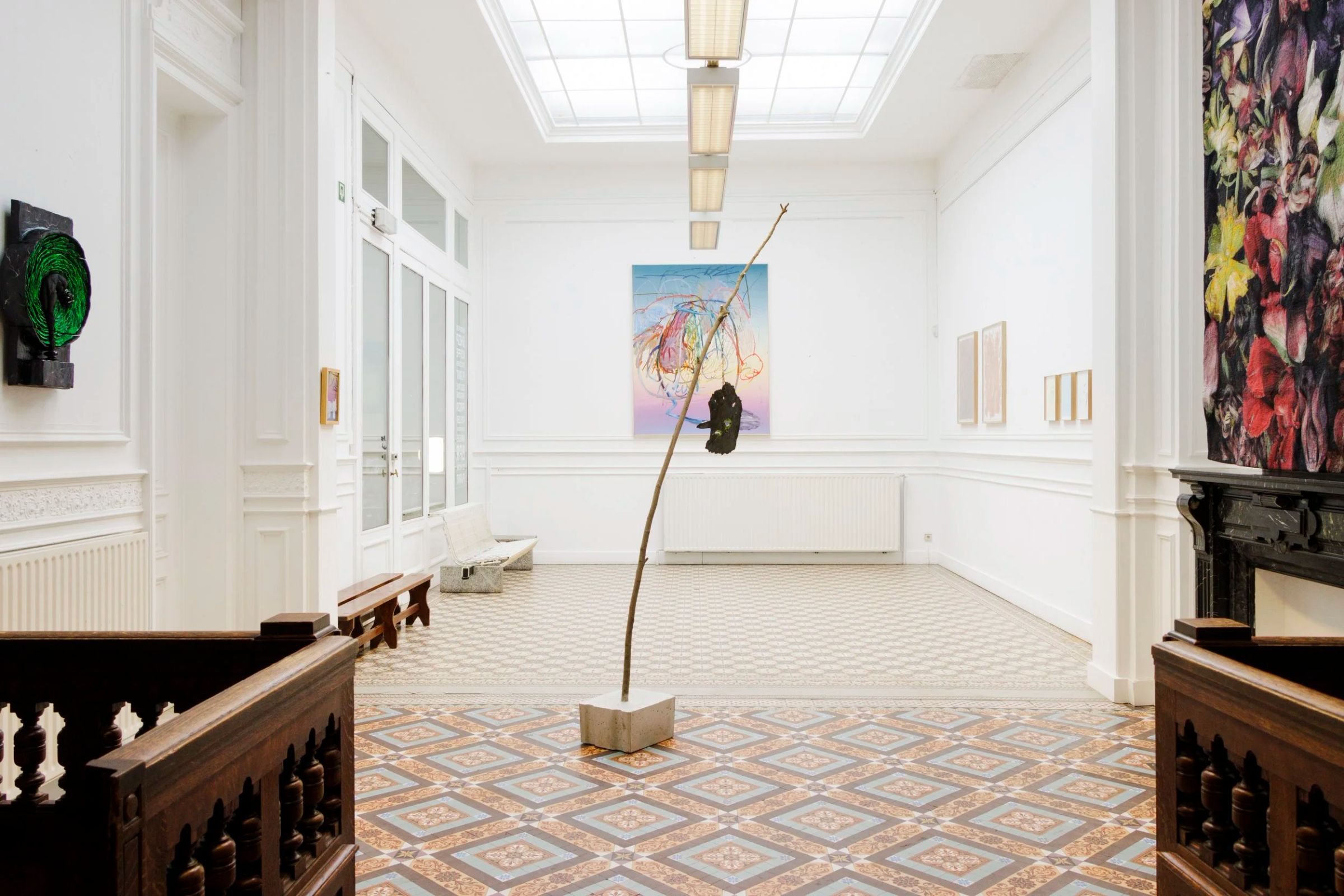
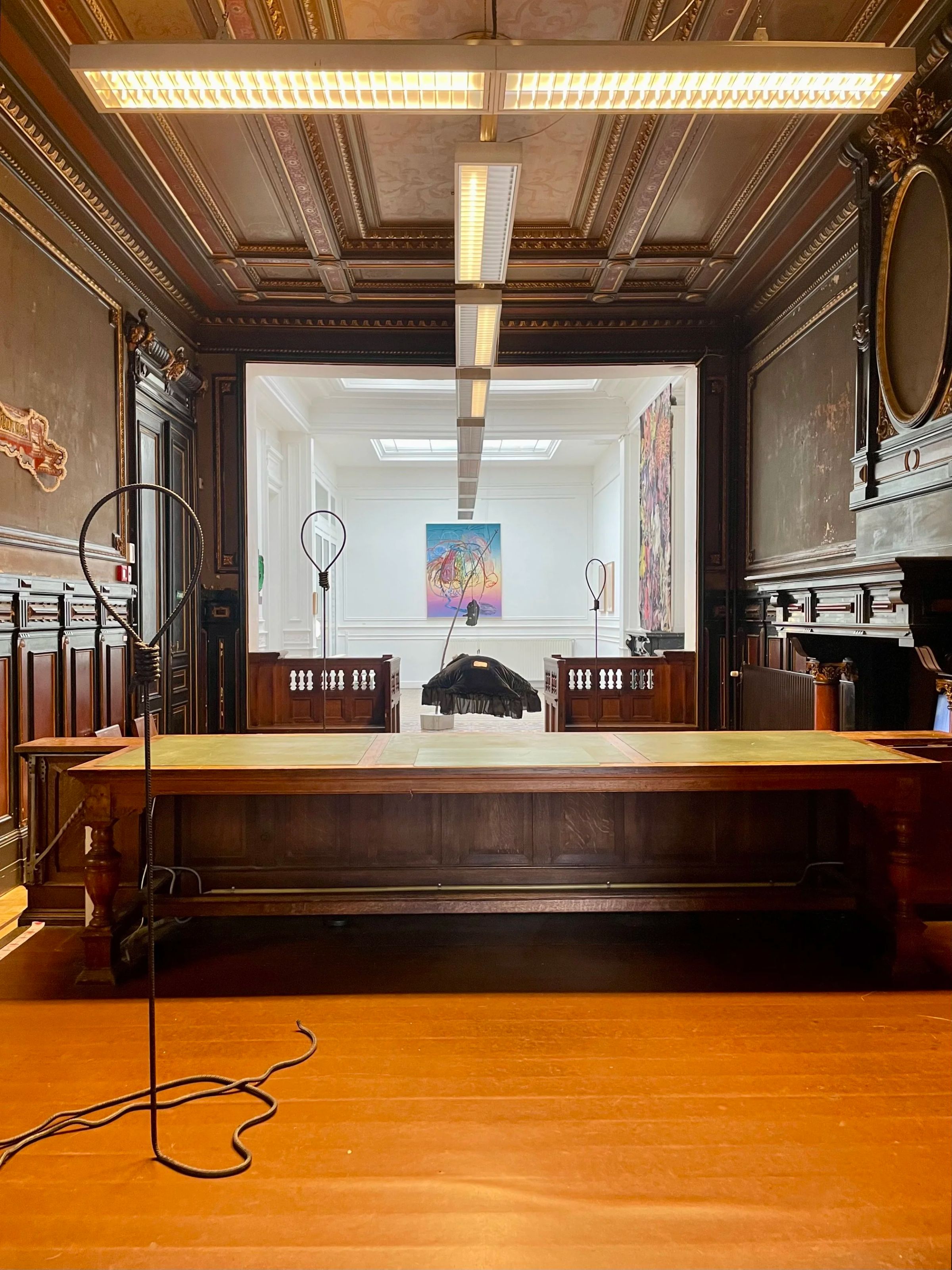
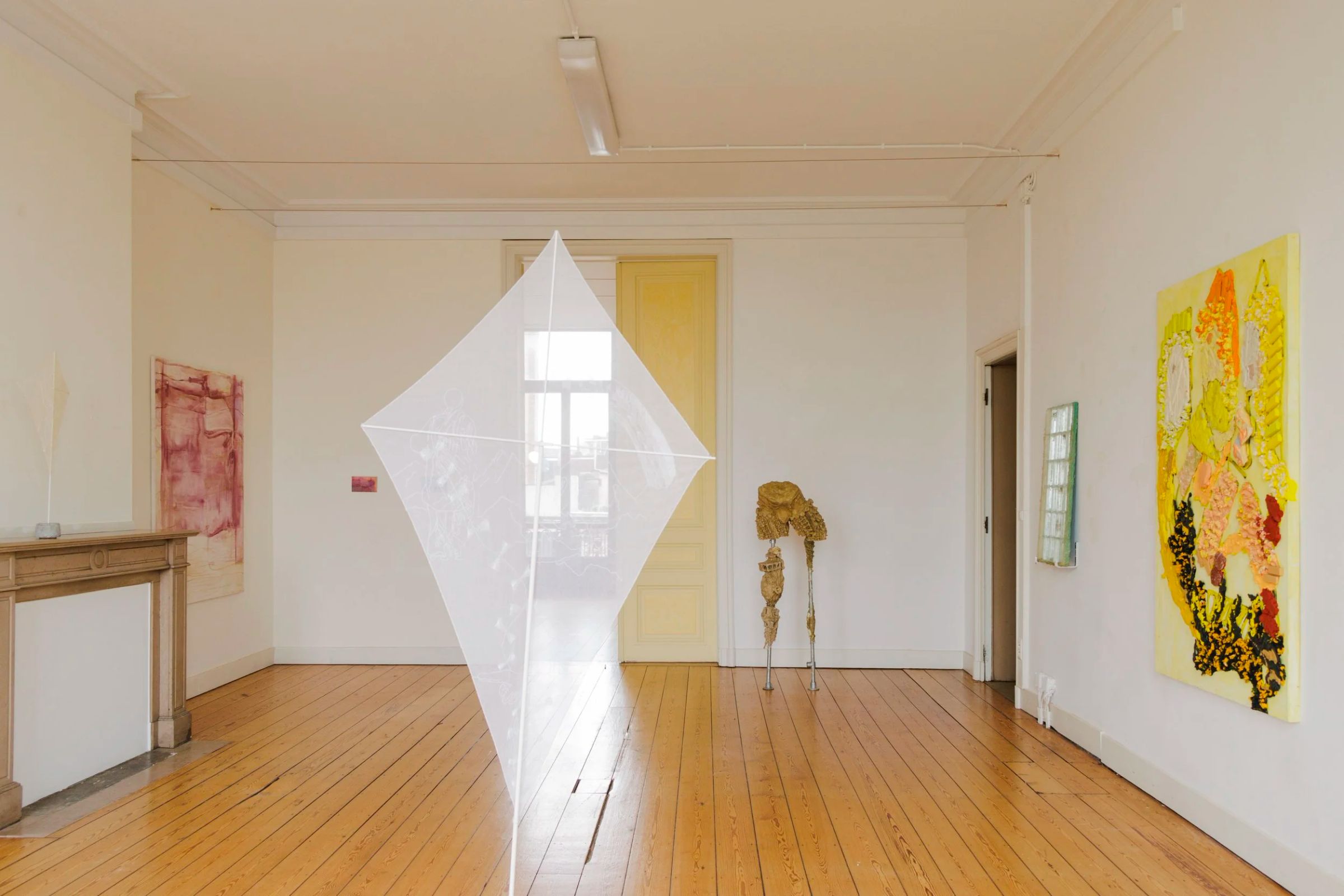
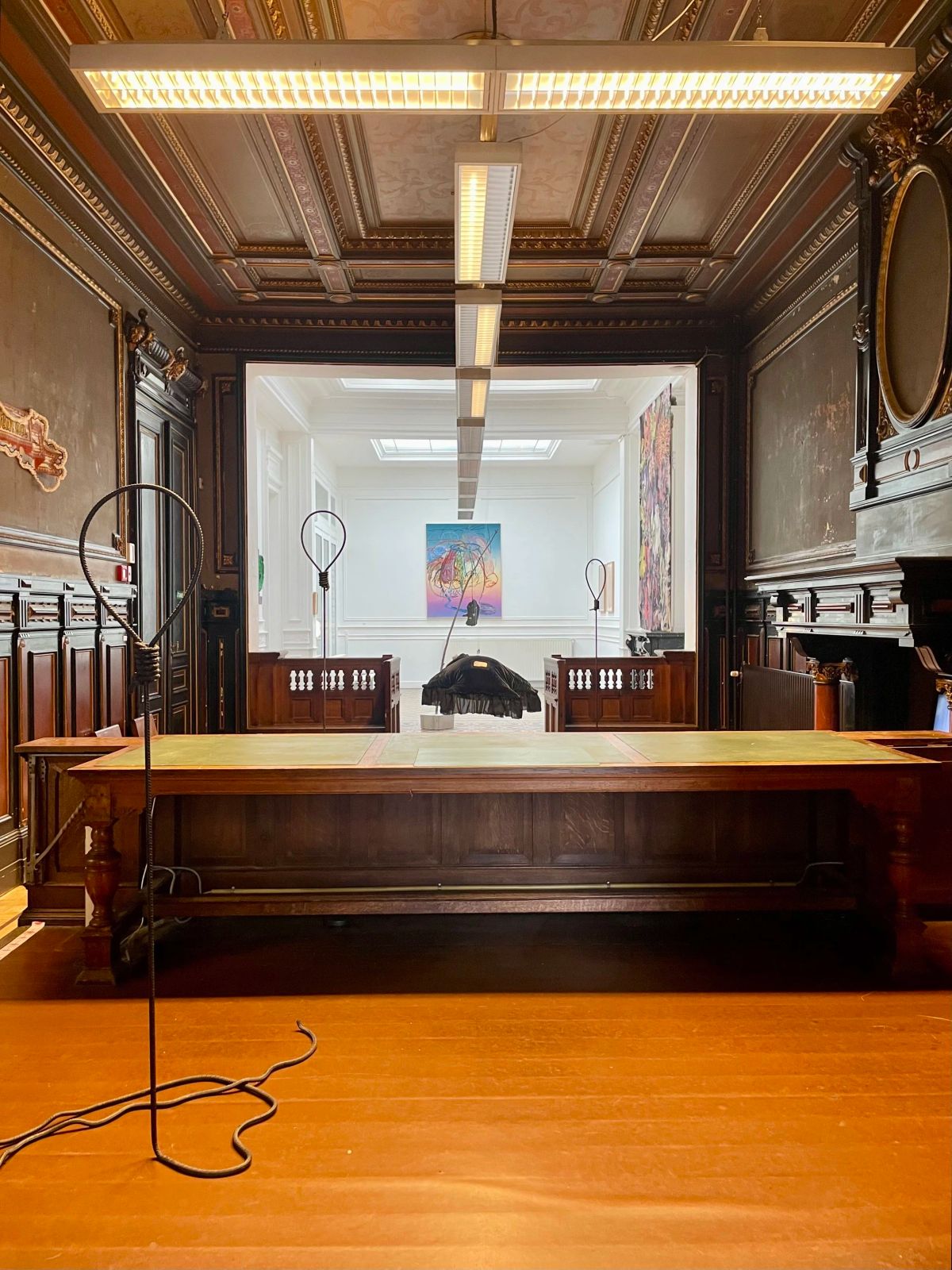
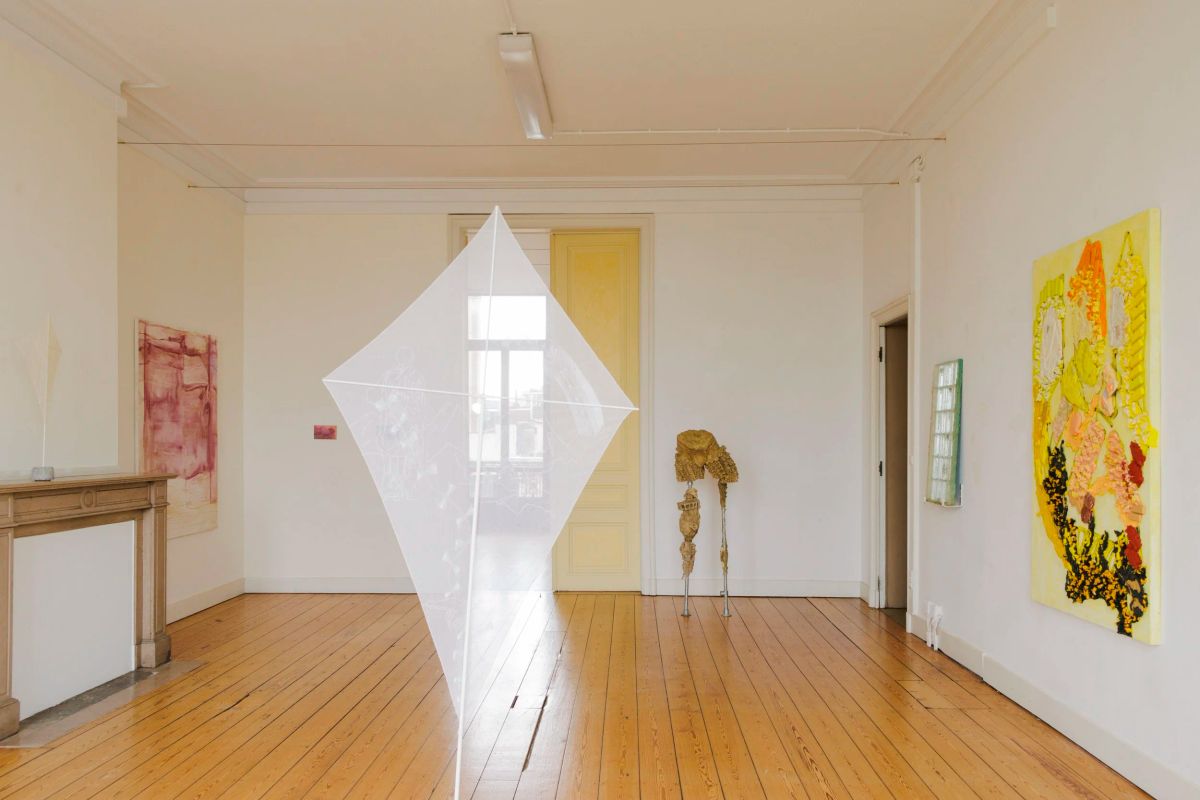
Taking place during Antwerp Art Weekend at the former Palace of Justice in Borgerhout, Ballroom Project is an initiative of Antwerp based galleries Base-Alpha Gallery and DMW Gallery. For this sixth edition, the alternative fair collaborates with critic, teacher, researcher and curator Pieter Vermeulen. We will show work by Natacha Mankowski and Dodi Espinosa.
Trained at the École Spéciale d’Architecture in Paris, Natacha Mankowski (Paris, FR, 1986) worked as an architect alongside Jean Nouvel and Vito Acconci before turning to painting. Her architectural background still resonates strongly in her paintings. Defying the boundaries between different artistic disciplines, Mankowski’s work is characterized by an exuberant use of the impasto technique. The way she employs this technique allows her to create textural and spatial structures in her paintings that moves them into the realm of sculpture. In her new work Natacha Mankowski has intensified this spatial and sculptural effect by working with larger formats. With many of these new paintings weighing 15 to 20 kilograms and more, they acquire a singular sense of gravity and presence; indeed, these paintings are objects that themselves inhabit a space alongside the viewers.
Dodi Espinosa (MX, 1985) is an interdisciplinary artist originating from the vibrant heart of Mexico City, where the colourful tapestry of archeology, shamanism and syncretism shaped his worldview and artistic sensibility. Now a Belgian citizen he calls Antwerp his home. His creations encompass performance, installation, objects, painting, workshops, among others. Each infused with inspirations from archaeology, sacral art, pop and indigenous cultures, and his characteristic tongue in cheek.
Installation views
Artists
Dodi Espinosa
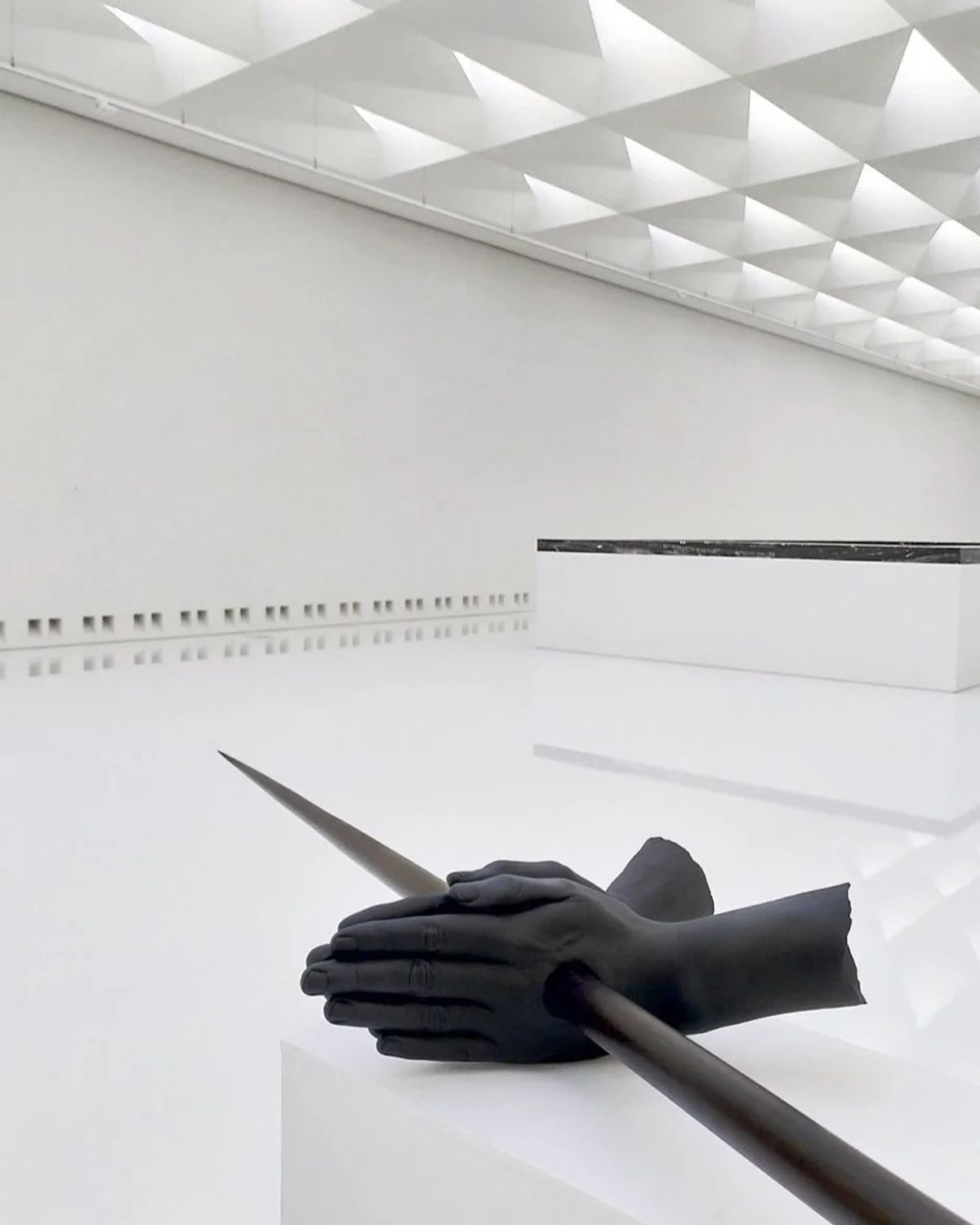
Dodi Espinosa (MX, 1985) is an interdisciplinary artist originating from the vibrant heart of Mexico City, where the colourful tapestry of archeology, shamanism and syncretism shaped his worldview and artistic sensibility. Now a Belgian citizen he calls Antwerp his home. His creations encompass performance, installation, objects, painting, workshops, among others. Each infused with inspirations from archaeology, sacral art, pop and indigenous cultures, and his characteristic tongue in cheek. His works have earned places in institutional and museum collections in both Belgium and the Netherlands. This acknowledgment not only underscores his reputation but also amplifies the cross-cultural dialogues he aims to cultivate. The artworks of Espinosa are more than just visual expressions; they are profound messages and calls to societal awakening. He reflects on a myriad of societal challenges, from mental health and identity to race and sexuality. His art acts as a bridge, linking the past with the present, the deeply personal with the universal. As a queer voice with a postcolonial lens, he offers a unique and confessional perspective, pushing boundaries and prompting deeper introspection on issues that touch us all. While his initial work gravitated towards object-based art, his recent endeavours over the last years reflect a conceptual shift towards social experimentation, installation, performance and a more collective paradigm. Dodi Espinosa had a solo exhibition at Beautiful Distress, Amsterdam (2022). He also took part in group exhibitions in M HKA (in collaboration with. NICC), Antwerp (2019), the Fries Museum, Leeuwarden (NL, 2020), W139, Amsterdam (2020) and Mu.Zee, Ostend (2019 and 2022). His work is incorporated in the collections of Fries Museum, Mu.Zee, Museum van de Geest and the AkzoNobel art collection.
More about Dodi Espinosa →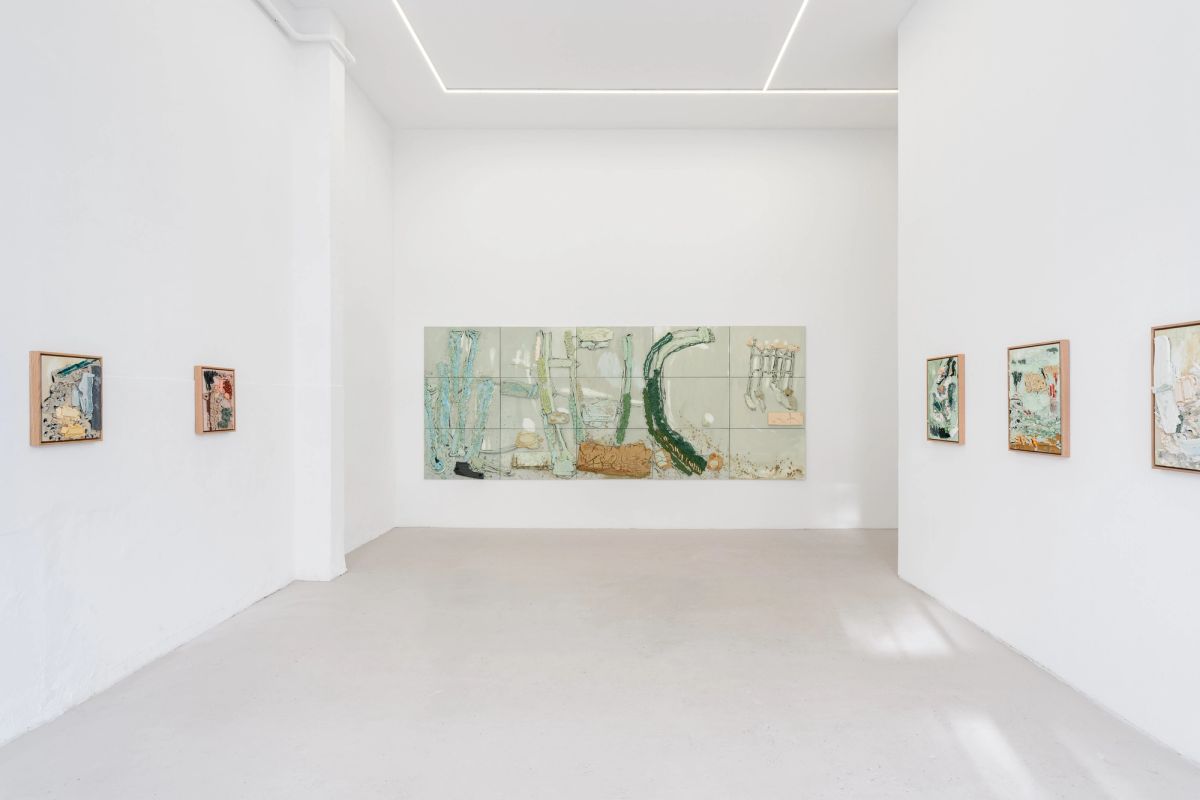
Natacha Mankowski
Trained at the École Spéciale d’Architecture in Paris, Natacha Mankowski (Paris, FR, 1986) worked as an architect alongside Jean Nouvel and Vito Acconci before turning to painting. Her architectural background still resonates strongly in her paintings. Defying the boundaries between different artistic disciplines, Mankowski’s work is characterized by an exuberant use of the impasto technique. The way she employs this technique allows her to create textural and spatial structures in her paintings that moves them into the realm of sculpture. In her new work Natacha Mankowski has intensified this spatial and sculptural effect by working with larger formats. With many of these new paintings weighing 15 to 20 kilograms and more, they acquire a singular sense of gravity and presence; indeed, these paintings are objects that themselves inhabit a space alongside the viewers. To address the question of how humans inhabit space at the intersection of nature and culture, Natacha Mankowski has developed her own visual and compositional language. While her compositions may seem abstract to the casual viewer, they are somewhat reminiscent of blueprints and ground maps widely used in architectural design and urban planning. This is no coincidence: many of her paintings are loosely inspired by the ground maps of the quarries she visited during her years as an architect. Mankowski takes a keen interest in sites such as stone quarries, from which architects and builders collect their raw materials. Midway between nature and the built environment, quarries are transitional sites in which natural resources are excavated and turned into raw commodities to be used in buildings, but also cell phones, computers, and other modern technologies. So as much as we would like to believe we are far removed from nature, through these rough materials we are intrinsically connected to it. And as such, the mines and quarries where these materials are found also raise difficult questions about how humans have turned nature into a site for commodification, a process that has brought us high-tech and the urban environment but has also triggered ecological ruin and collapse. Inspired by these issues, Mankowski has explored and visited many of these quarries, paying close attention to their geographical lay-out and the specific selection of raw materials on site. She then uses samples of these raw materials to create the thick impasto paint that texture her painterly work. Text by Bram Ieven Natacha Mankowski has exhibited in numerous international exhibitions, such as: Moly-Sabata for Biennale de Lyon, Zentrum fur Kunst ind Urbanistik (Berlin, GE) 2014 ; the Watermill Center (NY, USA) 2015, Pole muséal de Lisieux – Ateliers Intermédiaires (Lisieux, FR) 2015, Ceci Foundation (Berlin, GE) 2016, New Day Gallery (Berlin, GE) 2016, Souvenirs (Berlin, GE) 2016, the Epigraphic Museum (Athens, GR) 2018, Deschool and ISO (Amsterdam, NL), 2019, Centre d’Art Contemporain, Grenoble. She had several gallery shows at and is still working together with Everyday Gallery (2019 - 2022), Antwerp and Valerius Gallery (2022), Luxembourg City. She did a number of recidencies around the world and has been invited to teach at prestigious art schools like Sandberg Insitituut, Amsterdam. Mankowski is part of the Taylor Foundation in Paris and was the recipient of the Tony Garnier Prize, for Architecture and Urbanism awarded by the Académie Française d’Architecture in Paris.
More about Natacha Mankowski →